
Zhang Suichen: Biographical Introduction and Historical Accounts, Major Works and Academic Contributions
-
 ✵Zhang Suicheng: Born in the 17th year of the Wanli reign of the Ming dynasty (1589 CE) and died in the 7th year of the Kangxi reign of the Qing dynasty (1668 CE). He was skilled in composing classical poetry and authored the Zhang Qing Zi Shang Han Lun (Shang Han Lun by Zhang Qing Zi).
- Zhang Suichen
-
Brief Introduction Chinese Name: 張遂辰 (Zhāng Suìchén) Alias: 相期 (Xiāngqī), 西農 (Xīnóng). Style Name: 卿子 (Qīngzǐ) English Name: Zhang Suichen (family name first) or Suichen Zhang (given name first) Hometown: Jiangxi Dates: c. 1589–1668 CE Major Works: Zhang Qing Zi Shang Han Lun (Shang Han Lun by Zhang Qing Zi),Hu Shang Bai Xia Ji. Representative Works: Zhang Qing Zi Shang Han Lun; Hu Shang Bai Xia Ji. Biographical Introduction and Historical Accounts
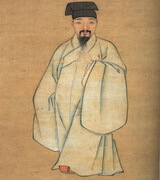 Zhang Suichen, whose style name was 卿子 (Qīngzǐ), was originally from Jiangxi; his ancestors migrated from Jiangxi to Hangzhou. He was born in the 17th year of the Wanli reign of the Ming dynasty (1589 CE) and died in the 7th year of the Kangxi reign of the Qing dynasty (1668 CE). He displayed exceptional intelligence from an early age and studied classical poetry and literature extensively. As a child, he suffered from poor health—being thin and emaciated—and conventional herbalists failed to cure him. Consequently, he began independently studying ancient medical texts. Toward the end of the Ming dynasty, Zhang settled in Hangzhou and devoted himself to medicine, eventually becoming a renowned physician. Historical records state that he could "revive a person suffering from a critical illness with pills, and people eagerly invited him to the eastern part of the city."
Major Works and Academic Contributions
Zhang Qing Zi Shang Han Lun (The Shang Han Lun by Zhang Qingzi) is a seven-volume commentary on the Shang Han Lun (Treatise on Cold-Induced Diseases), compiled by Zhang Suichen toward the end of the Ming dynasty. Zhang Suichen highly praised Cheng Wuji’s Zhu Jie Shang Han Lun (Annotated Treatise on Cold-Induced Diseases), remarking that it "cites classical sources, analyzes their meanings in meticulous detail, and achieves remarkable coherence. Though occasional personal interpretations are appended, no other school surpasses it." Building upon Cheng Wuji’s work, Zhang Suichen incorporated essential discussions from earlier physicians—including Zhu Gong, Xu Shuwei, Pang Anshi, Wang Lǚ, Wang Kentang, and other theories—to supplement and expand Cheng Wuji’s annotations. Thus, Zhang Suichen’s text functions as a revised and enriched edition of Cheng Wuji’s Zhu Jie Shang Han Lun. The work was first published during the Ming dynasty, and woodblock-printed editions from the Qing dynasty survive to this day.
Zhang Suichen was also accomplished in composing classical poetry. His poetic collection, Hu Shang Bai Xia Ji, earned high praise from scholars for its literary merit.
References:
-
- 1. Zhang Suichen: Biographical Introduction and Historical Accounts, Major Works and Academic Contributions
