
Zheng Chongguang: Biographical Introduction and Historical Accounts, Major Works and Academic Contributions
-
 ✵Zheng Chongguang: A a Qing dynasty herbalist who studied medical texts—including the ancient Nei Jing (the Internal Classics)—and developed a thorough understanding of medical principles and therapeutics, achieving remarkable clinical efficacy. He was especially innovative in treating Shanghan (cold-induced disease) and warm diseases. His major works include Shang Han Lun Tiao Bian Xu Zhu (Continued Supplement to the Discriminations of the Entries in the Treatise on Cold-induced Diseases), and Shang Han Lun Zheng Bian (Syndrome Differentiation in the Treatise on Cold-induced Diseases).
- Zheng Chongguang
-
Brief Introduction Chinese Name: 鄭重光 (Zhèng Chóngguāng) Alias: Su Pu (素圃, Sù Bǔ) Style Name: Zai Xin (在辛, Zài Xīn) English Name: Zheng Chongguang (family name first) or Chongguang Zheng (given name first) Hometown: Shexian, Anhui Province Dates: c. 1638–1716 CE Major Works: Zheng Su Pu Yi Shu Wu Zhong (Five Medical Texts by Zheng Supu). Representative Works: Zheng Su Pu Yi Shu Wu Zhong. Biographical Introduction and Historical Accounts
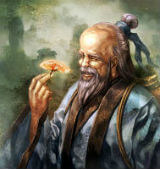 Zheng Chongguang, a Qing dynasty herbalist, used the style name Zai Xin (Zài Xīn) and the self-title Su Pu (Sù Pǔ); in old age, he adopted the additional self-title Wanfu (Wán Fū). He was a native of Shexian County, Anhui Province. He republished Ji Yan Jian Bian Zhu Fang (Collection of Simple and Effective Prescriptions), a work originally compiled by his ancestors. In the first year of the Kangxi reign (1662 CE), his father fell gravely ill. Zheng treated him with herbal decoctions for an extended period—and Zheng himself subsequently fell ill. Distressed by the limitations of contemporary herbalist practice, he resolved to study medicine systematically, beginning with the Nei Jing (The Internal Classics). Through rigorous study, he mastered medical theory and applied it clinically with notable success. His diagnostic approach was meticulous and detailed, particularly in differentiating Shanghan (cold-induced diseases) and warm diseases. After his death, local residents honored him privately as "Zhēn Què Xiānsheng" (Master Zhēn Què, meaning “Upright and Sincere Master”). His son, Zhongwei (Zhōngwèi), inherited and continued his medical legacy.
Major Works and Academic Contributions
Zheng Chongguang studied Fang Youzhi’s Shang Han Lun Tiao Bian (Discriminations of the Entries in the Treatise on Cold-induced Diseases). He deleted its complicated and redundant passages, incorporated theoretical insights from Yu Chang, Zhang Lu, and Cheng Jiaoqian, and added his own original interpretations. The result was Shang Han Lun Tiao Bian Xu Zhu—a supplement addressing topics omitted by Fang Youzhi. He also compiled Shang Han Lun Zheng Bian (Syndrome Differentiation in the Treatise on Cold-induced Diseases), which classifies syndromes according to the six channels (liu jing). Each syndrome is analyzed in depth, including pathogenesis, symptomatology, and therapeutic strategy. Furthermore, he collated and annotated Ke Qin’s authoritative two-volume Shang Han Lun Yi (Supplementary Treatise on Cold-Induced Diseases), annotated Wu Youxing’s Wen Yi Lun (Treatise on Epidemic Diseases), and compiled Wen Yi Lun Bu Zhu (Supplemental Annotations to the Treatise on Epidemic Diseases). He also authored Su Pu Yi An (Medical Cases of Su Pu) in four volumes. Later generations collected these five works into a single compendium titled Zheng Su Pu Yi Shu Wu Zhong (Five Medical Texts by Zheng Supu). Additionally, he republished Ji Yan Jian Bian Zhu Fang (Collection of Simple and Effective Prescriptions), a pharmacopeic compilation from earlier generations.
Shang Han Lun Tiao Bian Xu Zhu (Continued Supplement to the Discriminations of the Entries in the Treatise on Cold-induced Diseases) is one of Zheng Chongguang’s major contributions to Shanghanlun scholarship. Following Zhang Zhongjing’s original theory and Fang Youzhi’s Shang Han Lun Tiao Bian, Zheng "delete its verbose passages, integrated discussions from other authoritative works—including Shang Lun, Zuan Lun, and Shang Han Lun Yi—and incorporated his own insights." The book was completed in the Yiyou year of the Kangxi reign (1705 CE) and comprises twelve volumes. Volumes 1–3 address syndrome differentiation and treatment of Taiyang disease. Volumes 4–5 cover Yangming disease. Volume 6 addresses syndrome differentiation and treatment of Shaoyang disease, combined diseases, overlapping syndromes, and associated pulse and symptom manifestations. Volume 7 covers syndrome differentiation and treatment of Taiyin diseases. Volumes 8–9 focus on syndrome differentiation and treatment of Shaoyin diseases. Volume 10 discusses syndrome differentiation and treatment of Jueyin diseases, recurrence due to overexertion after recovery, and Yin-Yang Yi (coital transmission of febrile disease). Volume 11 covers syndrome differentiation and treatment of warm diseases, wind-warm diseases, Huo Luan (epidemic cholera-like disorder), phlegm diseases, and edema—with corresponding pulse and symptom analysis. Volume 12 addresses syndrome differentiation and treatment of convulsions, dampness diseases, and Ye diseases (a febrile disorder with night fever and daytime remission)—again with pulse and symptom descriptions. All quoted passages adhere strictly to the original text of the Shang Han Lun.
Shang Han Lun Zheng Bian (Syndrome Differentiation in the Treatise on Cold-induced Diseases) is a three-volume work compiled by Zheng Chongguang during the Qing dynasty and completed in the fiftieth year of the Kangxi reign (1711 CE). Volume 1 contains two sections: the first outlines the transmission and transformation of cold-induced diseases, as well as yin-yang, cold-heat, and deficiency-excess patterns; the second differentiates exterior heat with interior cold, interior heat with exterior cold, relevant disease affecting women, postpartum conditions, cold-induced diseases during pregnancy, wind-warm diseases, and winter-warm diseases. Volume 2 (the middle volume) comprises three sections addressing fever, aversion to cold, aversion to wind, hot flashes (tidal fever), and related symptoms. Volume 3 consists of two parts: the first compiles prescriptions from the Shang Han Lun; the second collects the twenty-six prescriptions for cold-induced diseases from the Jin Kui Yao Lüe (Synopsis of the Golden Chamber) and organizes prescriptions from later generations by syndrome for clinical accessibility.
Wen Yi Lun Bu Zhu (Supplemental Annotations to the Treatise on Epidemic Diseases), a two-volume annotated edition, was originally authored by Wu Youxing of the Ming dynasty and supplemented by Zheng Chongguang. Completed in the forty-ninth year of the Kangxi reign (1710 CE), it expands upon Wu Youxing’s Wen Yi Lun (Treatise on Epidemic Diseases) with Zheng’s clinical insights and elaborations on epidemic disease management.
Su Pu Yi An (Medical Cases of Su Pu) is a four-volume case record compiled by Zheng Chongguang and completed in 1707 CE. Volume 1 focuses on syndrome differentiation and treatment of cold-induced diseases. Volume 2 addresses syndrome differentiation and treatment of summer syndrome (summer-heat patterns), Huo Luan, and dysentery. Volume 3 covers various central syndromes and treatment of male-specific disorders. Volume 4 discusses gynecological conditions, obstetric disorders—including those related to childbirth and pregnancy—and related complications. Zheng excelled in internal medicine, gynecology, and obstetrics. His syndrome differentiation was precise, and his prescription application both principled and flexible. Accordingly, his diagnostic and therapeutic approach was bold yet clinically grounded. His treatments emphasize warming therapy—not dogmatically, but adaptively. The case records are vivid, comprehensive, and pedagogically valuable. The original Kangxi-era edition has survived to this day.
References:
-
- 1. Zheng Chongguang: Biographical Introduction and Historical Accounts, Major Works and Academic Contributions
