Introduction: Scientific and reasonable dietary composition ensures comprehensive and balanced nutrition, effectively supplementing nutrients without increasing the body’s metabolic burden. Eating more whole grains and less meat is a healthier eating habit.
In the ancient works Huangdi Neijing (The Yellow Emperor’s Inner Canon), it states: "Grains nourish, fruits assist, livestock benefit, and vegetables fill"—a principle that forms the foundation of the food pyramid. In traditional Chinese practice, grains serve as the staple food, while animal-based foods are consumed in smaller quantities than grains—a proportion that remains highly rational.
Build Your Own Food Pyramid
Introduction: Today’s popular dining trend—"eat less rice, eat more meat," or even "skip rice entirely and consume only fried vegetables and meat"—completely deviates from the scientifically sound proportions of the dietary pyramid. Currently, urban residents derive up to 35% of their daily energy from fat, exceeding the World Health Organization’s recommended upper limit of 30%. Simultaneously, intake of calcium and other essential nutrients is insufficient; iron-deficiency anemia and other nutritional deficiencies have become serious public health concerns.
The once-popular "high-protein, low-carbohydrate diet" was cautioned against by the medical community, as eliminating carbohydrates entirely poses risks to health. Fat is an efficient energy source—producing minimal metabolic waste—but is relatively scarce in natural food sources and should therefore be consumed in moderation. Carbohydrates are the most readily accessible energy source and generate intermediate metabolic byproducts. Protein is moderately difficult to obtain and produces the greatest amount of metabolic waste; thus, it is the least efficient energy source. However, the body requires various essential amino acids, making it necessary to include some protein-rich foods in the diet. Consequently, the traditional Chinese diet—centered on whole grains, rice, and vegetables stir-fried in plant-based oils—provides a well-balanced and physiologically appropriate energy supply.
✵Follow the Balanced Pyramid:
Consume whole grains as your staple food daily (400–500 g), fruits and vegetables (300–400 g), and dairy or soy products (200 g); then select small portions of meat and eggs according to individual constitution. Generally, white meats—such as chicken, duck, goose, rabbit, and fish—are preferable; red meats—like pork—should be eaten sparingly. Limit egg consumption to no more than four per week to avoid excessive cholesterol intake. Also, moderate your use of cooking oil and salt. Note, however, that dairy milk is not suitable for everyone. Much of the commercially available milk in cities is pasteurized and considered "cold" in Traditional Chinese Medicine (TCM) terms. Moreover, intensified cattle farming—driven by excessive market demand for milk—raises ecological and ethical concerns. To promote both personal health and environmental sustainability, consider substituting milk with nutrient-rich alternatives such as soy milk or congee, which are generally better tolerated and cause fewer adverse reactions.
✵Health benefits
1. Balanced Nutrition: Prioritizing whole grains over meat increases intake of vitamins and dietary fiber from grains and vegetables—making them the dietary cornerstone—and helps prevent the "three highs and one low" pattern (high energy, high fat, high protein, low fiber), thereby reducing risks of cardiovascular diseases such as hypertension, hyperlipidemia, and hyperglycemia.
2. Cancer Prevention: Excessive intake of fat and animal protein, coupled with inadequate raw dietary fiber, characterizes the so-called "Westernized diet." Colorectal cancer has become the first or second most common visceral malignancy in Europe, the United States, and other developed regions—the more economically advanced the society, the higher the incidence. Urban rates exceed rural ones, and large cities report higher incidence than medium- and small-sized cities—largely attributable to this dietary pattern.
3. Weight Management: Eating ample whole grains does not cause weight gain; rather, it supplies sustained energy with minimal metabolic waste. After consuming high-protein, high-fat foods like meat, you may notice unpleasant bodily reactions—including odor—and recognize the physiological strain they impose. Reducing grain intake—thereby increasing the relative proportion of fat or protein—elevates risk for heart disease and type 2 diabetes.
Studies indicate that consuming larger portions of rice may support weight loss. Rice elicits lower insulin secretion compared to many other carbohydrate sources, making it less likely to promote fat storage.

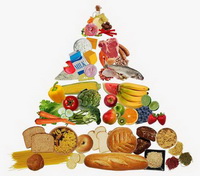 Introduction: Scientific and reasonable dietary composition ensures comprehensive and balanced nutrition, effectively supplementing nutrients without increasing the body’s metabolic burden. Eating more whole grains and less meat is a healthier eating habit.
 Introduction: Today’s popular dining trend—"eat less rice, eat more meat," or even "skip rice entirely and consume only fried vegetables and meat"—completely deviates from the scientifically sound proportions of the dietary pyramid. Currently, urban residents derive up to 35% of their daily energy from fat, exceeding the World Health Organization’s recommended upper limit of 30%. Simultaneously, intake of calcium and other essential nutrients is insufficient; iron-deficiency anemia and other nutritional deficiencies have become serious public health concerns.
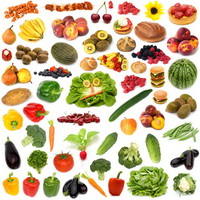 The once-popular "high-protein, low-carbohydrate diet" was cautioned against by the medical community, as eliminating carbohydrates entirely poses risks to health. Fat is an efficient energy source—producing minimal metabolic waste—but is relatively scarce in natural food sources and should therefore be consumed in moderation. Carbohydrates are the most readily accessible energy source and generate intermediate metabolic byproducts. Protein is moderately difficult to obtain and produces the greatest amount of metabolic waste; thus, it is the least efficient energy source. However, the body requires various essential amino acids, making it necessary to include some protein-rich foods in the diet. Consequently, the traditional Chinese diet—centered on whole grains, rice, and vegetables stir-fried in plant-based oils—provides a well-balanced and physiologically appropriate energy supply.
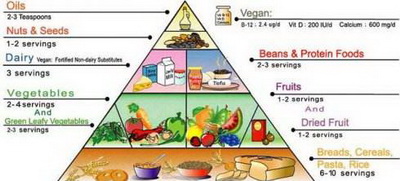 ✵Follow the Balanced Pyramid:
 1. Balanced Nutrition: Prioritizing whole grains over meat increases intake of vitamins and dietary fiber from grains and vegetables—making them the dietary cornerstone—and helps prevent the "three highs and one low" pattern (high energy, high fat, high protein, low fiber), thereby reducing risks of cardiovascular diseases such as hypertension, hyperlipidemia, and hyperglycemia.
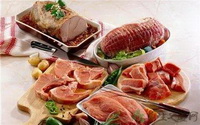 2. Cancer Prevention: Excessive intake of fat and animal protein, coupled with inadequate raw dietary fiber, characterizes the so-called "Westernized diet." Colorectal cancer has become the first or second most common visceral malignancy in Europe, the United States, and other developed regions—the more economically advanced the society, the higher the incidence. Urban rates exceed rural ones, and large cities report higher incidence than medium- and small-sized cities—largely attributable to this dietary pattern.
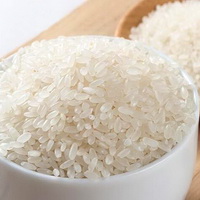 3. Weight Management: Eating ample whole grains does not cause weight gain; rather, it supplies sustained energy with minimal metabolic waste. After consuming high-protein, high-fat foods like meat, you may notice unpleasant bodily reactions—including odor—and recognize the physiological strain they impose. Reducing grain intake—thereby increasing the relative proportion of fat or protein—elevates risk for heart disease and type 2 diabetes.
