
Song Lin Gao: Biographical introduction and historical accounts, major works and academic contributions
-
 ✵Song Lin Gao: A well-known herbalist specializing in gynecology during the Ming Dynasty, who treated gynecological disorders, pregnancy-related conditions, childbirth, menstruation, and morbid leukorrhea, and achieved outstanding therapeutic outcomes. Author of the seminal work Song Shi Nǚ Ke Mi Shu (The Synopsis of Song’s Gynecology).
- Song Lin Gao
-
Brief Introduction Chinese Name: 宋林臯 (Sòng Lín Gāo) Alias: Unknown Style Name: 养吾 (Yǎng Wú) English Name: Song Lin Gao (family name first) or Lin Gao Song (given name first) Hometown: Ming Zhou Dates: c. 1573–1620 CE Major Work: Song Shi Nǚ Ke Cuo Yao (The Synopsis of Song’s Gynecology). Representative Work: Song Shi Nǚ Ke Cuo Yao (The Synopsis of Song’s Gynecology). Biographical Introduction and Historical Accounts
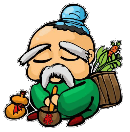 Song Lin Gao, whose style name was Yǎng Wú, was born in Mingzhou and was active during the Wanli reign (1573–1620 CE). His exact birth and death years remain unknown. He compiled Song Shi Nǚ Ke Cuo Yao (The Synopsis of Song’s Gynecology), a landmark text on gynecology in premodern China. The Song family’s lineage of herbalists—tracing back to Song Lin Gao—spans over twenty generations and is renowned for expertise in gynecology. During the Jianyan era of the Southern Song Dynasty (May 1127–1130 CE), the Song family relocated to Siming (present-day Ningbo). The progenitor of the family’s medical tradition was Song Guangping (Sòng Guǎngpíng), styled Gōngjìng, who excelled in medicine and pioneered specialization in gynecological diagnosis and treatment. Song Lin Gao was the twenty-first-generation heir of this lineage. According to historical records, he “specialized in the treatment of gynecological disorders, pregnancy-related conditions, childbirth, menstruation, and morbid leukorrhea (abnormal leukorrhea), and achieved outstanding therapeutic outcomes. He was widely acclaimed both near and far, and especially renowned in eastern Zhejiang.” Herbalist Song Lin Gao studied earlier gynecological texts and observed that although foundational works such as Chan Bao and Quan Shuhad established gynecological methods, they contained numerous errors and omissions. Drawing upon his extensive clinical experience and the profound inherited knowledge of his family’s herbalist tradition, he critically reviewed prior texts—discarding outdated or redundant content, preserving essential insights, clarifying core interpretations, and synthesizing authoritative gynecological knowledge from earlier periods. He compiled 226 prescriptions into Song Shi Nǚ Ke Cuo Yao (The Synopsis of Song’s Gynecology), completing it in the fortieth year of the Wanli reign (1612 CE).
Major Works and Academic Contributions
Herbalist Song Lin Gao compiled Song Shi Nǚ Ke Cuo Yao (The Synopsis of Song’s Gynecology), a seminal work on gynecology in premodern China. The text is also known as Song Shi Nǚ Ke Mi Shu or Si Ming Song Shi Nǚ Ke Mi Shu. Inheriting generations of diagnostic and therapeutic expertise in gynecology from his family, Song Lin Gao practiced extensively in this field and accumulated rich clinical experience. Recognizing fundamental differences between women’s miscellaneous diseases and men’s diseases, he selected essential discussions from earlier texts and integrated them with his own clinical observations to produce this comprehensive treatise, which he completed and actively promoted for wider dissemination. The later herbalist Wang Shuxiang (Wáng Shǔxiāng) praised the work, stating: "This compilation discarded obsolete theories, retained only the essential and concise insights, employed simple yet precise language, enabling later practitioners to grasp its contents thoroughly—without needing to consult other sources."
The work Song Shi Nǚ Ke Mi Shu (The Synopsis of Song’s Gynecology) discusses syndrome differentiation and prescriptions for gynecological disorders—including menstrual disorders, morbid leukorrhea (abnormal leukorrhea), prenatal and postnatal conditions, miscellaneous gynecological diseases, and breast disorders—organized into four discursive essays, thirteen thematic sections, and 226 prescriptions. Its pathogenesis section elaborates on the etiology of menstruation, morbid leukorrhea, pregnancy, and childbirth, asserting that “Tian Gui” governs menstruation. It posits that infertility is closely linked to menstrual irregularity; thus, fertility treatment must prioritize menstrual regulation, and menstrual harmony should be central to therapeutic strategies for conception.
References:
-
- 1.Song Lin Gao: Biographical introduction and historical accounts, major works and academic contributions
