
Xu Shuwei: Biographical introduction and legendary stories, major works and academic contributions
-
 ✵Xu Shuwei: a prominent physician of the Song Dynasty. Based on Zhang Zhongjing's work, he created graphic illustrations of 36 types of pulses and developed the theory of prescribing herbs according to the severity of the disease. He was the author of several medical works; the most widely read is the Lei Zheng Pu Ji Ben Shi Fang (Classified Effective Prescriptions for Universal Relief), a 10-volume medical compendium. He was a leading herbalist of the Menghe School during the Song Dynasty.
- Xu Shuwei
-
Brief Introduction Chinese Name: 許叔微 (Xǔ Shūwēi) Aliases: 白沙(Bái Shā), 近泉 (Jìn Quán) Style Name: 知可 (Zhī Kě) English Name: Xu Shu-wei (family name first) or Shu-wei Xu (given name first) Hometown: Baisha, Zhenzhou Dates: c. 1079–1154 CE Major Works: Lei Zheng Pu Ji Ben Shi Fang (The Effective Prescriptions for Universal Relief) in 10 volumes,Shang Han Bai Zheng Ge in 5 volumes,Shang Han Fa Wei Lun in 2 volumes,Shang Han Jiu Shi Lun,
Zhi Fa Ba Shi Yi Pian (Eighty One articles on treatment methods),Bian Lei in 5 volumes,Yi Shang Han Lun,Zhong Jing Mai Fa San Shi Liu Tu, etc.Representative Works: Shang Han Bai Zheng Ge (Songs of One Hundred Syndromes of Cold-Induced Diseases), in 5 volumes; Shang Han Fa Wei Lun (Treatise on the Subtleties of Cold-Induced Diseases), in 2 volumes; Shang Han Jiu Shi Lun (Ninety Treatises on Cold-Induced Diseases), Lei Zheng Pu Ji Ben Shi Fang (The Effective Prescriptions for Universal Relief), in 10 volumes. Biographical introduction and legendary stories
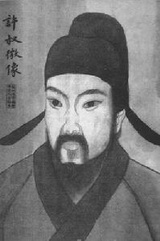 Xu Shuwei (1079–1154 CE): a prominent physician of the Song Dynasty. Based on Zhang Zhongjing's work, he created graphic illustrations of 36 types of pulses and developed the theory of prescribing herbs according to the severity of the disease. He was the author of several medical works; the most widely read is the Lei Zheng Pu Ji Ben Shi Fang (Classified Effective Prescriptions for Universal Relief), a 10-volume medical compendium. He was a leading herbalist of the Menghe School during the Song Dynasty. The Menghe School can be traced back to the Eastern Han Dynasty and the Three Kingdoms period, originating with the herbalist and Taoist Ge Hong.
Xu Shuwei’s courtesy name was Zhi Ke (知可, Zhī Kě), and his alternative names were Bai Sha (Bái Shā) and Jin Quan (Jìn Quán). He was a native of Baisha, Zhenzhou—or Pi Ling—of the Song Dynasty, and a renowned herbalist active during the Northern and Southern Song periods.
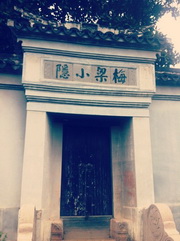 Xu Shuwei was born into a poor family. In the fifth year of the Yuanyou reign (1090 CE; Yuanyou was the reign title of Emperor Zhezong of Song), his parents died during a plague. He was then 11 years old. He studied diligently, mastering both the Confucian classics and medicine. He earned the Jinshi degree in the imperial examination in the second year of the Shaoxing reign (1132 CE; Shaoxing was the reign title of Emperor Gaozong of Song). He was subsequently appointed Drillmaster of Huizhou and Hangzhou (Huizhou Hangzhou Fu Jiaoshou) and Scholar of the Hanlin Jixian Yuan (Academy of National Sages), earning the honorific title "Xu Xueshi." From an early age, he studied all available medical texts and thoroughly mastered the ancient medical classics. He excelled in medicine and gained local renown by middle age. In the first year of the Jianyan era of the Southern Song (1127 CE; Jianyan was the inaugural reign title of Emperor Gaozong), an epidemic swept through the Zhenzhou region. Xu Shuwei visited patients at their homes and saved approximately 80–90% of them. His reputation rose rapidly, and he became widely known for his life-saving interventions.
In the second or third year of the Shaoxing reign (1132 or 1133 CE; Shaoxing was the reign title of Emperor Gaozong of Song), Xu Shuwei passed the imperial examinations and attained the Jinshi degree. He was appointed Drillmaster of Huizhou and Hangzhou and Scholar of the Hanlin Jixian Yuan. People respectfully called him “Xu Xueshi” (Scholar Xu). Later, he resigned from office due to dissatisfaction with Emperor Gaozong’s complacency amid southern China’s precarious situation and the prevalence of cunning sycophants at court. He retired to Majishan in the countryside, where he continued studying and practicing medicine to aid the people. He treated every patient who sought his help—regardless of time of day or night, wealth or poverty—with the sole aim of saving lives. He was kindhearted, loyal, forthright, courageous, and unreserved; local people held him in high esteem.Major works and academic contributions
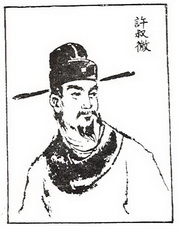 Xu Shuwei was recognized as a leading scholar of the Shang Han Lun during the Song Dynasty. He authored works that offered detailed interpretations of the text and supplemented Zhang Zhongjing’s theories with systematic syndrome differentiation and treatment principles: "The treatment of cold-induced diseases must clarify interior and exterior, as well as excess and deficiency. Once these fundamental concepts are understood, the 397 methods of Zhang Zhongjing can be readily applied." Xu Shuwei frequently treated unusual and refractory cases. He conducted rigorous scholarly study on the theory of exogenous febrile diseases and emphasized the critical importance of identifying deficiency, excessive cold, and heat in their management. Later, he compiled several related works—including Shang Han Bai Zheng Ge (Songs of One Hundred Syndromes of Cold-Induced Diseases), Shang Han Fa Wei Lun (Treatise on the Subtleties of Cold-Induced Diseases), and Shang Han Jiu Shi Lun (Ninety Treatises on Cold-Induced Diseases)—all devoted to advancing the study of exogenous febrile diseases. These works not only inherit Zhang Zhongjing’s foundational ideas but also provide original elaborations and clinical refinements. His principal interpretations of the Shang Han Lun and his approach to cold-induced diseases are outlined below:
(1) The key to syndrome differentiation in cold-induced diseases lies in distinguishing interior from exterior and deficiency from excess. This principle is recorded in his Shang Han Bai Zheng Ge (Songs of One Hundred Syndromes of Cold-Induced Diseases), where he systematizes and articulates four major syndrome categories and four corresponding prescription types—emphasizing that each prescription type matches a specific syndrome pattern. He made a significant development beyond Zhang Zhongjing’s original six-channel syndrome differentiation. For ambiguous cases involving cold or heat, he advocates synthetic analysis of pulse and symptom manifestations. These insights profoundly influenced the later formalization of the Eight Principles system of diagnosis.
(2) Xu Shuwei underscored the pivotal role of primordial Qi (Yuan Qi) in treating cold-induced diseases. This conclusion emerged directly from his extensive clinical experience.
(3) Building upon the pathogenic theory articulated in the ancient Nei Jing (The Inner Canon)—"When pathogens accumulate, Qi is invariably deficient"—Xu Shuwei advanced the "deficiency-affection" pathogenesis theory. Accordingly, Xu Shuwei advocated the correspondent therapeutic principle. Applying Zhang Zhongjing’s formulas flexibly, he also devised new prescriptions specifically designed to eliminate pathogens.
(4) Interpretation of Zhang Zhongjing’s pulse diagnosis: Xu Shuwei attached great importance to pulse manifestations. He asserted that treating cold-induced diseases must be grounded in Zhang Zhongjing’s pulse methods,” and systematized complex pulse patterns using the yin–yang framework to assess prognosis and disease progression. He then categorized major pulse types according to diagnostic parameters. He rendered these principles both clear and clinically adaptable. Xu Shuwei also delineated key distinctions between pulse manifestations in cold-induced diseases and those in other disease categories, and summarized characteristic pulses associated specifically with cold-induced diseases. He discussed pulse manifestations of Zhongfeng (wind affection), Shanghan (cold affection), Yang syndrome, Shao Yin syndrome. He pointed out the characteristics of cold-induced diseases, making it easier for disciples to learn. He further emphasized examining four critical pulse sites. He also placed exceptional emphasis on dynamic pulse changes to track disease progression, transmission, and outcome. He formulated numerous other profound and clinically refined conclusions on pulse diagnosis, synthesizing Zhang Zhongjing’s foundational theory with his own extensive experience.
(5) Interpretations and practical applications of cold-induced syndromes and prescriptions: Xu Shuwei conducted an in-depth study of syndrome differentiation and pulse diagnosis in the Shang Han Lun, making significant theoretical developments and clinical innovations. His work, Shang Han Jiu Shi Lun documents 61 case studies of cold-induced diseases, systematically recording pulse findings and syndromes strictly aligned with the original chapter structure and entries of the Shang Han Lun. These cases empirically validate the precision of Zhang Zhongjing’s prescriptions and syndrome classifications. He also applied prescriptions flexibly—for instance, devising a modified formula for heat invading the blood chamber syndrome in women. For syndromes lacking corresponding prescriptions in the Shang Han Lun, he supplemented them by selecting appropriate formulas from authoritative classical texts—including the Nei Jing, Nan Jing, Qian Jin Yao Fang, and Wai Tai Mi Yao—thereby bridging theoretical gaps and guiding clinical practice. Beyond adapting Zhang Zhongjing’s formulas, Xu Shuwei synthesized and systematized their underlying principles. For example, he classified the Taiyang-Yangming combined syndrome into three types. He similarly categorized the Tai Yang Zhong Ye syndrome into three subtypes. He summarized Zhongjing’s theory, providing a clear and precise theoretical basis for clinical practice. He also classified and systematized Zhongjing’s therapeutic methods, including diaphoresis, emesis, purgation, fire, water, acupuncture, and moxibustion. He analyzed and organized them in a logical and systematic manner, making it more convenient for later generations to study the Shang Han Lun. These contributions reflect his accurate and penetrating understanding of the Shang Han Lun.
(6) Interpretations of the Prescriptions and Applications in the Shang Han Lun: Xu Shuwei offered insightful discussions on the prescriptions and clinical applications recorded in the Shang Han Lun. He integrated the pathogenic theories and interpretive frameworks of earlier physicians—Wang Shuhe and Sun Simiao—and further advanced them with his own creative insights on the three principal types of Tai Yang syndromes. Through his interpretations, Wang Shuhe’s and Sun Simiao’s tripartite classifications became clearer and more clinically distinct, exerting significant influence on subsequent generations of physicians. Moreover, Xu articulated original views on the use of decoctions versus pills in the Shang Han Lun, proposing the principle that "pills should be used cautiously in the treatment of cold-induced diseases." He also clarified the differing indications for white peony root (Bai Shao) and red peony root (Chi Shao), as well as for Gui Zhi (cassia twig) and Rou Gui (cinnamon bark). He endorsed Wang Shuhe’s view about Da Huang in the Da Chai Hu Tang and discussed its appropriate application, and also discussed the indication of croton seeds (Ba Dou). These propositions and discussions are highly relevant to clinical practice and have profoundly influenced later applications of Zhongjing’s prescriptions.
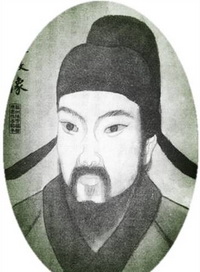 Except for his interpretations of the Shang Han Lun and his treatment of cold-induced diseases, the physician Xu Shuwei made significant academic contributions to the management of miscellaneous diseases. He emphasized physiological aspects of daily life and the pathological functions of the Spleen and Stomach. He was proficient in classical formulas and innovated new ones. These contributions are briefly introduced below:
(1) Studies and Interpretations of the Spleen–Stomach Theory: Xu placed great importance on the vital functions of the Spleen and Stomach. In his works Pu Ji Ben Shi Fang and Shang Han Bai Zheng Ge, he repeatedly emphasized that the Spleen and Stomach are fundamentally linked to life and death. He also discussed the pulse manifestation in severe cases to asset Stomach Qi and Kidney Qi, and the prognosis. Additionally, Xu developed effective therapeutic approaches for related syndromes. He also devised innovative methods and prescriptions for treating Kidney Deficiency and Spleen–Kidney Deficiency syndromes.
(2) Creative Contributions to the Differentiation and Treatment of Endogenous Wind Syndrome: Xu made numerous original contributions to the differentiation and treatment of endogenous wind syndrome, documented in Pu Ji Ben Shi Fang. His work profoundly influenced subsequent generations. He classified wind affections into three principal categories: (1) wind affection the channels, (2) wind affection the Fu viscera, (3) wind affection the Zang viscera. He systematically recorded both general and specific symptoms associated with wind affecting the channels, Zang viscera, and Fu viscera, and established corresponding treatment principles. Moreover, he recommended moxibustion for wind affection and lists twelve key acupoints for this purpose. Furthermore, he analyzed the pathogenesis of palpitations induced by fear and formulated a targeted treatment method.
(3) Xu Shuwei excelled in treating various disorders—including accumulation and mass, numbness, and pain syndromes. He frequently employed the Sou Ti Qu Xie Fa ("Sourcing and Expelling" method), using formulas predominantly composed of insect- and worm-derived herbs—such as scorpions and earthworms—to unblock the meridians and alleviate pain. He also clarified the appropriate indications and selection criteria for insect-based herbs in diverse accumulation and retention syndromes.
(4) Xu Shuwei was highly skilled in flexibly adapting classical prescriptions and modifying them to create new ones. His compendium Pu Ji Ben Shi Fang records over 370 formulas, some drawn from renowned ancient medical texts—including Qian Jin Yao Fang, He Ji Ju Fang, Bi Yong Fang, Huo Ren Shu, Qian Jin Sui, Jing Xiao Chan Bao, and Wan Jin Fang. Others originated from eminent physicians and Daoist practitioners—such as Pang Anshi, Sun Zhao, Yang Jilao, Shen Kuo, Cai Taishi, Zhang Changshi, Chao Tuiguan, Zheng Kangde, Cui Yuanliang, Tian Zi, and Zhenxin Daoist. Xu categorized the effective formulas he collected under headings corresponding to the five-Zang viscera syndromes. For each entry, he described the syndrome, listed the formula, and appended explanatory notes on its origin and clinical efficacy. In doing so, Xu successfully preserved invaluable clinical experience from earlier generations and safeguarded precious historical medical literature. Beyond preservation, Xu also emphasized the rational modification of classical formulas. Those derived from the Shang Han Lun, for instance, proved highly effective in clinical practice; he further innovated new formulas with broad applicability—such as Qi Zhen San, Qu Mu Yuan, Mi Rong Yuan, Er Shen Yuan, Jing Qi Yuan, and Xiong Qiang Tang—many of which continue to influence TCM practice today.
The three major commentaries on the Shang Han Lun by Xu Shuwei—the Shang Han Bai Zheng Ge (in five juan), the Shang Han Fa Wei Lun (in two juan), and the Shang Han Jiu Shi Lun—were revised, printed, and widely disseminated during the 18th and 19th centuries. Since then, these works have remained well known and widely circulated. The academic significance of Xu’s writings has been thoroughly validated within the field of Traditional Chinese Medicine. Practitioners and scholars alike recognize him as a preeminent Song-dynasty physician who made profound contributions to the interpretation and clinical application of the Shang Han Lun. He is regarded among the most outstanding physicians in the historical development of TCM, and his theories and clinical experience continue to guide and inform modern practice.
Major works and books: Xu Shuwei compiled numerous works during his lifetime. His known works include Ben Shi Fang (Lei Zheng Pu Ji Ben Shi Fang) in ten volumes, Shang Han Bai Zheng Ge in five volumes, Shang Han Fa Wei Lun in two volumes, Shang Han Jiu Shi Lun, Zhi Fa, Bian Lei, Yi Shang Han Lun, Zhong Jing Mai Fa San Shi Liu Tu, and Xu Ben Shi Fang in ten volumes, among others. The work Shang Han Bai Zheng Ge is written in rhyming verse to present Zhang Zhongjing’s theory of the 100 syndromes. For convenience in study, in cases of "syndromes without prescriptions", additional prescriptions are supplemented from classical texts such as Qian Jin Yi Fang. Where discussions are insufficient, theoretical explanations and commentaries from Chao Shi Bing Yuan are incorporated, along with quotations from other herbalists, including Zhu Gong (Zhū Gōng), Sun Shang (Sūn Shang), and Sun Yonghe (Sūn Yònghé). The book Shang Han Fa Wei Lun recorded a total of 22 discourses on prescriptions. The first discourse listed 72 syndromes of exogenous febrile diseases and provided detailed interpretations. The second discourse and subsequent ones recorded the author's viewpoints. The content of the book Shang Han Jiu Shi Lun begins with syndromes, symptoms, treatment procedures, and comments—similar to later medical records. Lei Zheng Pu Ji Ben Shi Fang is an academic work that records the clinical experience of the herbalist Xu Shuwei. It classifies diseases into 23 categories and collects over 300 prescriptions. The prescriptions are listed by main indication, name, and dosage, followed by the treatment method and instructions. One or two case studies are appended, along with commentary. Many of his specific viewpoints are insightful. For example, he held that Qi syncope should not be treated as a symptom of apoplexia (apoplexy) and that nourishing herbs should be used to tonify the kidneys. He also differentiated hemorrhoidal bleeding, bloody stool, and rectal bleeding. Later, eminent herbalists highly praised his achievements. For example, Ye Gui commented on Xu Shuwei: "He was both a scholar and a master clinician. He strove for universal relief and elucidated the secrets of ancient herbalists to benefit future generations—a great achievement." His theories and prescriptions greatly influenced herbalists of the Song Dynasty and beyond.
Xu Shuwei compiled the 10-volume herbal work Lei Zheng Pu Ji Ben Shi Fang (The Effective Prescriptions for Universal Relief), which was published in his later years. It was briefly known as Pu Ji Ben Shi Fang. The herbal work records more than 390 herbal prescriptions and provides a reliable method for identifying and differentiating many similar syndromes. Specifically, Xu proposed a unique perspective on the relationship between the spleen and kidney. This theory exerted an important influence on the visceral manifestation theory of later generations.
His several works have survived to this day; they are: Shang Han Bai Zheng Ge (The One Hundred Syndromes Poem of the Treatise on Cold-Induced Diseases) in five volumes, Shang Han Fa Wei Lun (Treatise on the Subtleties of Cold-Induced Diseases) in two volumes, Shang Han Jiu Shi Lun (Ninety Treatises on Cold-Induced Diseases), and Lei Zheng Pu Ji Ben Shi Fang (The Effective Prescriptions for Universal Relief). His other works were lost in ancient times. Those books are known as Zhong Jing Mai Fa San Shi Liu Tu (The Thirty-Six Graphs on the Pulse Formula of Zhonging), Yi Shang Han Lun (The Supplemental Wings of the Treatise on Cold-Induced Diseases), Shang Han Lei Lun (The Categorized Treatise on Cold-Induced Diseases), Zhi Fa Ba Shi Yi Pian (Zhi Fa, or The Eighty-One Articles on Treatment Methods), and Bian Lei in five volumes, etc. These books were identified by Xu Shuwei. There is an ancient book, Xu Ben Shi Fang (Supplement to the Effective Prescriptions for Universal Relief), in ten volumes. It attributes authorship to Xu Shuwei; however, the contents and academic viewpoints of some prescriptions differ from those presented in his book, Lei Zheng Pu Ji Ben Shi Fang (The Effective Prescriptions for Universal Relief). Therefore, Xu Ben Shi Fang is suspected to be a forged ancient text attributed to Xu Shuwei.
The five-volume book Shang Han Bai Zheng Ge (The Hundred-Syndrome Poem of the Treatise on Cold-Induced Diseases) primarily outlines syndrome differentiation for cold-induced diseases, including symptoms and prescriptions. Volumes one and two present formulas in verse that articulate the general principles of syndrome differentiation for cold-induced diseases. Volumes three through five contain verses describing specific syndromes of cold-induced diseases. The book compiles over 100 verses written in simple, easy-to-understand language. Drawing on the author’s in-depth study of the ancient text Shang Han Lun,its main topics include exterior and interior, Yin and Yang, sore throat, huo luan (vomiting with dysentery), vomiting, abdominal distension (fullness in the abdomen), spontaneous sweating, pulse manifestations, diseases affecting two or more channels, diseases affecting a single channel or combinations thereof, and therapeutic principles. The text includes annotations and quotations from the classical work Zhu Bing Yuan Hou Lun, as well as theories advanced by physicians Zhu Gong, Sun Yonghe, Pang Anshi, Song Di, and Wang Shi—supplemented and elaborated with Xu’s own clinical experience and theoretical insights gained from decades of studying the Shang Han Lun, thereby benefiting future generations. The author established “exterior–interior” and “deficiency–excess” as the foundational framework for syndrome differentiation in cold-induced diseases, thereby promoting the dissemination and popularization of the Shang Han Lun and its syndrome differentiation methodology. Moreover, the author elucidated the essential meanings of the Shang Han Lun.
The two-volume book Shang Han Fa Wei Lun (Treatise on the Subtleties of Cold-Induced Diseases) compiles 22 of the author’s academic articles. The first article lists 72 syndromes of cold-induced diseases and explains and interprets their pathogenesis, syndrome differentiation experiences, and prescriptions. The second and subsequent articles are concise essays in which the author shares his views and insights on various topics—such as the differences between white peony root (Paeonia lactiflora) and red peony root (Paeonia veitchii) in Gui Zhi Tang, the distinctions between Gui Zhi (ramulus cinnamomi) and Rou Gui (cortex cinnamomi), and the importance of primordial Qi in cold-induced diseases. The book’s content draws primarily from the author’s clinical and scholarly experience in studying cold-induced diseases and covers syndromes, symptoms, pulse diagnosis, treatment principles, and prescriptions in great detail.
The book Shang Han Jiu Shi Lun (The Ninety Treatises on the Treatise on Cold-Induced Diseases) compiles 90 case records drawn from the author’s clinical practice. Among them, 61 cases are classical cases derived from the Shang Han Lun and correspond to 36 types of classical prescriptions. Each case documents the presenting syndromes, treatment procedures, and includes pathogenesis interpretations grounded in classical texts—including the Nei Jing (The Inner Canon), Nan Jing (The Difficult Classic), Shang Han Lun (The Treatise on Cold-Induced Diseases), and other relevant works. Integrated with the author’s own perspective, it represents one of the earliest consilia in Chinese medical literature and serves as an important reference for studying the Shang Han Lun.
 There is a legendary account of Xu Shuwei. When he was young, he studied diligently and developed the habit of drinking wine before sleeping. Years later, he frequently experienced gurgling sounds in the stomach and pain in the hypochondriac region. He reduced his food intake and vomited gastric juice approximately every ten days to two weeks. In summer, only the right side of his body perspired; the left side remained dry. After carefully analyzing his own condition, he concluded that the disease stemmed from dampness obstructing the stomach: the spleen and stomach were impaired, and the spleen was deficient—leading to failure in transforming water and consequently causing dampness accumulation in the stomach. Thus, he manifested an internal dampness syndrome, with symptoms including gurgling sounds in the stomach, unilateral sweating (limited to the right side), and vomiting of gastric juice. Xu Shuwei treated himself in accordance with his academic principle of "medication in essence." He prepared a special pill and began taking 50 pills daily, gradually increasing the dose to 100–200 pills per day. Months later, his unusual condition subsided, and he fully recovered. Xu Shuwei accurately identified the syndrome, selected appropriate herbs, and achieved remarkable therapeutic results. He understood that damp pathogens are sticky and stagnant, making them difficult to eliminate rapidly; therefore, consistent administration and gradual dosage escalation are essential—allowing the formula’s therapeutic effect to accumulate and ultimately expel the damp pathogen.
References:
-
- 1. Xu Shuwei: Biographical introduction and legendary stories, major works and academic contributions
