Introduction of the Twenty-Four Solar Terms and the Seventy-Two Pentads: Autumn
✵Four Seasons, Eight Solar Terms, Twenty-Four Solar Terms, and the Seventy-Two Pentads in Spring, Summer, Autumn, and Winter are introduced. The Four Seasons, Eight Solar Terms, Twenty-Four Solar Terms, and Seventy-Two Pentads system is a traditional Chinese calendar system established in ancient China.
This part introduces the climate characteristics of the autumn and its corresponding solar terms, as well as the health risks associated with seasonal factors and preventive measures.
Characteristics of the Autumn Climate and Health Risks
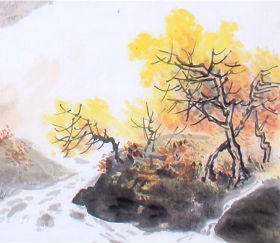
Autumn is the third season of the year. From a climatological perspective, autumn begins when the average temperature drops below 22 °C after the hot summer months. Autumn generally starts from August 7th to 9th and ends from November 23rd to 24th, and includes six solar terms: the Beginning of Autumn, End of Heat, White Dew, the Autumnal Equinox, Cold Dew, and Frost’s Descent.
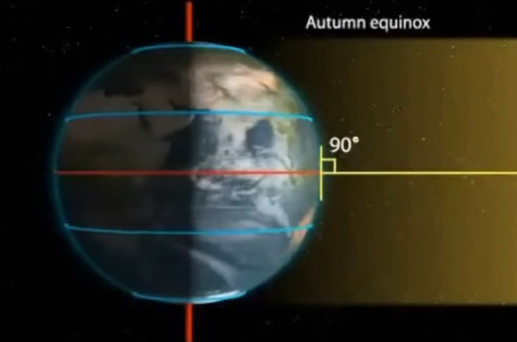
During autumn, the subsolar point—the point where the Sun’s rays strike Earth perpendicularly—gradually shifts southward across the Northern Hemisphere. After the Autumnal Equinox, the Sun crosses the equator and shines directly on the Southern Hemisphere. From the perspective of the Northern Hemisphere, the solar altitude gradually decreases, and the difference between day length and night length also narrows. Temperatures gradually drop in autumn, and in late autumn, due to the large diurnal temperature range, water vapor evaporated during the day condenses into dew or frost at night.
Autumn is a transitional season from summer to winter. Most physiological indices of the human body fluctuate during autumn. While some physiological changes in autumn are beneficial to health, immune function tends to decline, making people more susceptible to illness. The respiratory system is particularly vulnerable during this season; exposure to cold winds or consumption of overly spicy or hot foods can easily trigger bronchial inflammation, resulting in symptoms such as coughing and phlegm production.
To maintain health in autumn, it is essential to understand the characteristics of seasonal climate changes, adjust lifestyle and dietary habits in a timely manner, and preserve physical well-being to lay a solid foundation for winter health preservation.
Solar terms in Autumn:
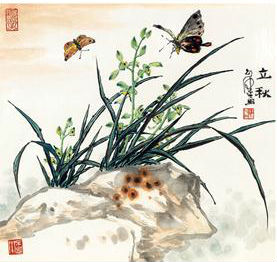
13. Li Qiu (Beginning of Autumn) is the 13th solar term among the 24 solar terms and the first solar term of autumn. It usually occurs between August 7th and 9th, when the Sun reaches celestial longitude 135°. With the arrival of autumn, plane trees begin shedding their leaves—a recognized sign of the season. During Li Qiu, temperatures gradually decline.
In ancient China, Li Qiu was divided into three pentads: "(1) In the first pentad, cool breezes begin to blow; (2) In the second pentad, white dew appears; (3) In the third pentad, the cicadas of late summer begin to sing."
Cool breezes bring noticeable relief—unlike the oppressive heat winds of summer. White dew refers to visible dewdrops and morning fog forming on the ground. Late-summer cicadas begin singing upon sensing the increasing Yin Qi (Yin energy).
After Li Qiu, temperatures shift from high to moderate, and the intense heat subsides; physical exhaustion gradually eases and appetite improves.
Dietary regulation in autumn should emphasize moistening dryness: prefer foods that nourish Yin, clear heat, moisten dryness, relieve thirst, calm the mind, and soothe the spirit—for example, black sesame, honey, white fungus, and milk—all of which possess moistening properties. During autumn, atmospheric moisture decreases, making skin prone to dryness; therefore, adequate water intake and vitamin supplementation require special attention.
14. Chu Shu (End of Heat) is the 14th solar term among the 24 solar terms and the 2nd solar term of autumn. It usually occurs around August 23rd, when the Sun reaches celestial longitude 150°. The subsolar point continues moving southward, solar radiation gradually weakens in the Northern Hemisphere, and the intense summer heat begins to subside; temperatures steadily decline. Although named “End of Heat,” this solar term marks the meteorological onset of autumn. After Chu Shu, temperatures in regions north of the Yangtze River begin to drop progressively.
In ancient China, Chu Shu was divided into three pentads: "(1) In the first pentad, eagles begin hunting birds; (2) In the second pentad, the weather turns austere and solemn; (3) In the third pentad, grains reach full maturity."
The eagle—regarded in traditional Chinese cosmology as a bird embodying justice—is associated with the Metal element, which governs autumn. The Qi of Metal signifies austerity and impartiality; thus, eagles are said to respond to the arrival of autumn Qi by beginning their seasonal hunt—but traditionally, they were believed to spare nesting birds and fledglings, symbolizing fairness. As Yin Qi increases, the atmosphere between heaven and earth takes on an austere, solemn quality. Meanwhile, cereal crops complete ripening and require timely harvest.
During Chu Shu, people are prone to dryness-related syndromes: dry mouth and nose, chapped lips, sore throat, and notably increased diurnal temperature variation—leading to higher susceptibility to upper respiratory tract infections, gastroenteritis (inflammation of the stomach and intestines), and the common cold. The dry climate facilitates bacterial proliferation and disease transmission; therefore, preventive measures for respiratory illnesses are especially important. For coughs attributed to autumn Qi (e.g., dry, non-productive cough), dietary tonics may help alleviate symptoms. For example: soak 50 g of white fungus until soft, boil until tender, then add one egg and proper volume of sugar—suitable for individuals with dry cough without phlegm. Alternatively: peel and slice three pears, boil in an appropriate volume of water for 3.5 hours, strain the liquid, add 50 g of rice, and simmer until porridge forms—this preparation clears Heart heat and is suitable for cough due to Lung heat.
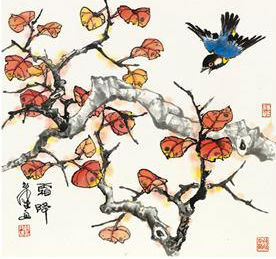
15. Bai Lu (White Dew) is the 15th solar term among the 24 solar terms and the 3rd solar term of autumn. It usually occurs around September 7th or 8th, when the Sun reaches celestial longitude 165°. Temperatures decline rapidly, and rainfall increases.
In ancient China, Bai Lu was divided into three pentads: "(1)In the first pentad, wild geese fly southward; (2) In the second pentad, swallows fly southward; (3) In the third pentad, local birds gather grains."
Wild geese and swallows migrate south in response to cooling temperatures and the arrival of autumn; local birds collect and store grains in preparation for winter. Local customs include drinking green tea, rice wine, consuming longan aril, and eating sweet potatoes.
At Bai Lu, the diurnal temperature range reaches its annual maximum. After sunset, temperatures drop significantly, causing atmospheric moisture to condense near the ground—forming visible dew. People commonly experience dry mouth, lips, throat, and skin due to the prevailing autumn Qi. Dietary regulation during Bai Lu should focus on strengthening the Spleen and moistening dryness: choose foods that are neutral or mildly sweet in nature, easy to digest, and nutritionally rich. Overeating should be avoided to prevent overburdening the stomach and intestines.
16. Qiu Fen (Autumnal Equinox) is the 16th solar term among the 24 solar terms and the 4th solar term of autumn. It usually occurs between September 22nd and 24th, when the Sun reaches celestial longitude 180°—the precise moment of the autumnal equinox—directly illuminating the equator. On this day, day and night are nearly equal in length across most of the Earth.
After the autumnal equinox, the subsolar point continues moving southward: in the Northern Hemisphere, daylight hours shorten and nighttime hours lengthen (i.e., day hours become less than night hours); conversely, in the Southern Hemisphere, daylight hours lengthen and nighttime hours shorten (i.e., day hours exceed night hours). Diurnal temperature variation gradually increases, and overall temperatures continue to decline.
On the day of the Autumnal Equinox, the Sun remains at the apparent horizon at both the North and South Poles. After the autumnal equinox, six months of polar night begin in the Arctic region, while six months of polar day commence in the Antarctic region. In autumn, various diseases tend to flare up—for example, intestinal infectious diseases, malaria, and epidemic encephalitis B may become more prevalent. Climate changes can also trigger recurrences of chronic conditions, such as gastric disorders, asthma, hypertension, coronary heart disease, and diabetes; therefore, preventive measures should be prioritized to avoid exacerbation of these pre-existing conditions.
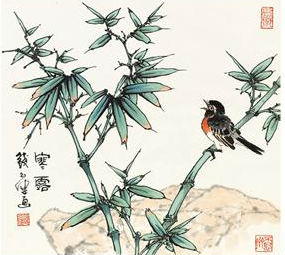
17. Han Lu (Cold Dew) is the 17th solar term among the 24 solar terms and the 5th solar term of autumn. It usually occurs between October 7th and 9th, when the Sun reaches celestial longitude 195°. Temperatures continue to decline gradually. The solar term Han Lu—or Cold Dew—marks the transitional phase from coolness to cold.
In ancient China, Cold Dew was divided into three pentads: "(1) In the first pentad, wild geese fly southward; (2) In the second pentad, small birds transform into clams; (3) In the third pentad, chrysanthemums begin to bloom."
Wild geese migrate south in formation; by late autumn, many small birds vanish from view. Ancient observers noticed an abundance of clams along seashores, and—mistaking their shell patterns for avian plumage—concluded the birds had metamorphosed into clams. Meanwhile, chrysanthemums are in full bloom during this period.
After Cold Dew, temperatures steadily decrease. Cold-dryness is one of the most common pathogenic influences during this low-temperature, low-humidity season. The infectivity of rhinoviruses increases, raising susceptibility to respiratory and digestive system disorders; thus, preventive measures should be proactively implemented. Elderly individuals face heightened risk of cardiovascular diseases, chronic bronchitis ("winter cough"), asthma, and pneumonia.
18. Shuang Jiang (Frost’s Descent) is the 18th solar term among the 24 solar terms and the 6th—and final—solar term of autumn. It usually occurs around October 23rd, when the Sun reaches celestial longitude 210°. Temperatures continue to fall gradually, and dew begins to freeze into frost. Frost’s Descent marks the period when temperatures drop further and dew crystallizes into frost.
In ancient China, Frost’s Descent was divided into three pentads: "(1) In the first pentad, wolves begin hunting and storing food; (2) In the second pentad, grasses and trees turn yellow and shed their leaves; (3) In the third pentad, small creatures and animals enter hibernation."
This signifies that jackals and wolves intensify hunting to stockpile provisions for winter; grasses and deciduous trees yellow and shed foliage; and small animals retreat into burrows to hibernate.
Frost’s Descent is the last solar term of autumn. In many regions of China, it is customary to eat persimmons during this time. During Frost’s Descent, people are prone to chronic gastritis and gastroduodenal ulcers.
Traditional Chinese Medicine practitioners recommend health-preserving strategies including: preventing autumn dryness, alleviating autumn-related depression or melancholy, and guarding against cold pathogens. Autumn dryness commonly manifests as dry mouth, chapped lips, sore throat, constipation, and dry skin. It is advisable to consume foods that moisten dryness and nourish Yin—such as sesame seeds, honey, white fungus, bok choy, apples, and bananas.
The austere, desolate scenery of autumn may evoke feelings of sadness or hopelessness; therefore, increasing intake of protein-rich foods—including milk, eggs, mutton, and legumes—and engaging in moderate outdoor activities—such as hiking—is beneficial. However, elderly individuals should closely monitor weather changes and dress warmly to prevent invasion by damp-cold pathogens.
References:
1. Introduction of the Twenty-Four Solar Terms and the Seventy-Two Pentads: Autumn
2. Yi Zhou Shu (The Lost Book of the Zhou Dynasty)

 Autumn is the third season of the year. From a climatological perspective, autumn begins when the average temperature drops below 22 °C after the hot summer months. Autumn generally starts from August 7th to 9th and ends from November 23rd to 24th, and includes six solar terms: the Beginning of Autumn, End of Heat, White Dew, the Autumnal Equinox, Cold Dew, and Frost’s Descent.

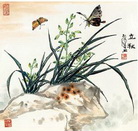 13. Li Qiu (Beginning of Autumn) is the 13th solar term among the 24 solar terms and the first solar term of autumn. It usually occurs between August 7th and 9th, when the Sun reaches celestial longitude 135°. With the arrival of autumn, plane trees begin shedding their leaves—a recognized sign of the season. During Li Qiu, temperatures gradually decline.

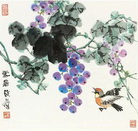 14. Chu Shu (End of Heat) is the 14th solar term among the 24 solar terms and the 2nd solar term of autumn. It usually occurs around August 23rd, when the Sun reaches celestial longitude 150°. The subsolar point continues moving southward, solar radiation gradually weakens in the Northern Hemisphere, and the intense summer heat begins to subside; temperatures steadily decline. Although named “End of Heat,” this solar term marks the meteorological onset of autumn. After Chu Shu, temperatures in regions north of the Yangtze River begin to drop progressively.

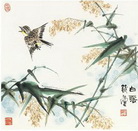 15. Bai Lu (White Dew) is the 15th solar term among the 24 solar terms and the 3rd solar term of autumn. It usually occurs around September 7th or 8th, when the Sun reaches celestial longitude 165°. Temperatures decline rapidly, and rainfall increases.

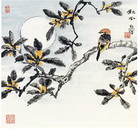 16. Qiu Fen (Autumnal Equinox) is the 16th solar term among the 24 solar terms and the 4th solar term of autumn. It usually occurs between September 22nd and 24th, when the Sun reaches celestial longitude 180°—the precise moment of the autumnal equinox—directly illuminating the equator. On this day, day and night are nearly equal in length across most of the Earth.
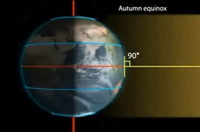 After the autumnal equinox, the subsolar point continues moving southward: in the Northern Hemisphere, daylight hours shorten and nighttime hours lengthen (i.e., day hours become less than night hours); conversely, in the Southern Hemisphere, daylight hours lengthen and nighttime hours shorten (i.e., day hours exceed night hours). Diurnal temperature variation gradually increases, and overall temperatures continue to decline.
 On the day of the Autumnal Equinox, the Sun remains at the apparent horizon at both the North and South Poles. After the autumnal equinox, six months of polar night begin in the Arctic region, while six months of polar day commence in the Antarctic region. In autumn, various diseases tend to flare up—for example, intestinal infectious diseases, malaria, and epidemic encephalitis B may become more prevalent. Climate changes can also trigger recurrences of chronic conditions, such as gastric disorders, asthma, hypertension, coronary heart disease, and diabetes; therefore, preventive measures should be prioritized to avoid exacerbation of these pre-existing conditions.
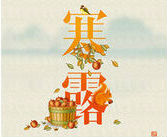
 17. Han Lu (Cold Dew) is the 17th solar term among the 24 solar terms and the 5th solar term of autumn. It usually occurs between October 7th and 9th, when the Sun reaches celestial longitude 195°. Temperatures continue to decline gradually. The solar term Han Lu—or Cold Dew—marks the transitional phase from coolness to cold.

 18. Shuang Jiang (Frost’s Descent) is the 18th solar term among the 24 solar terms and the 6th—and final—solar term of autumn. It usually occurs around October 23rd, when the Sun reaches celestial longitude 210°. Temperatures continue to fall gradually, and dew begins to freeze into frost. Frost’s Descent marks the period when temperatures drop further and dew crystallizes into frost.