Introduction of the Triple-Energizer Syndrome Differentiation
Introduction
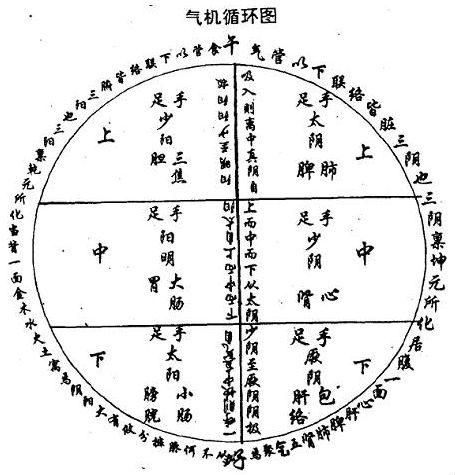
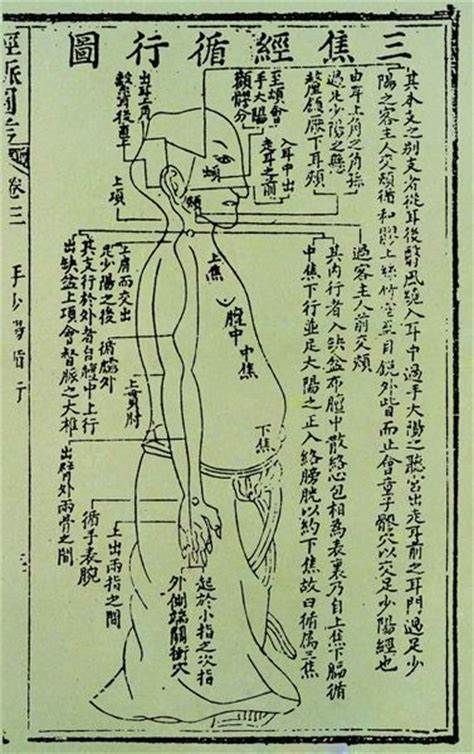
✵Triple-Energizer Syndrome Differentiation, also known as Triple-Energizer Pattern Identification, is a method of syndrome differentiation (or pattern identification) based on the theory of the triple energizer.
Introduction of the syndromes of the Triple-Energizer
Introduction: The Triple-Energizer syndromes constitute a collective term for syndromes associated with the upper, middle, and lower energizers.
Upper-Energizer Syndrome: syndrome due to invasion of pathogen to the lung meridian at the early stage of an epidemic febrile disease, marked by chills and fever, sweating, headache, and cough, or on the pericardium meridian marked by delirium, and deep red tongue.
Middle-Energizer Syndrome: syndrome due to invasion of pathogen to the stomach meridian at the middle stage of epidemic febrile disease, marked by fever without chills, sweating, thirst, and full pulse, or on the spleen meridian marked by continuous moderate fever, aching and heavy feeling in the body, stuffiness in the chest with nausea and vomiting, and greasy tongue coating.
Lower-Energizer Syndrome: syndrome due to impairment of the kidney meridian at the later stage of an epidemic febrile disease, manifested as fever(more remarkable in the palms than on the back of hands), thirst, parched lips, and restlessness, or due to impairment of the liver meridian manifested as mental disorders, twitching or convulsion.
References:
1. Introduction of the Triple-Energizer Syndrome Differentiation

 Middle-Energizer Syndrome: syndrome due to invasion of pathogen to the stomach meridian at the middle stage of epidemic febrile disease, marked by fever without chills, sweating, thirst, and full pulse, or on the spleen meridian marked by continuous moderate fever, aching and heavy feeling in the body, stuffiness in the chest with nausea and vomiting, and greasy tongue coating.