Introduction: Tea is a beneficial health-care product with numerous physiological benefits; however, it is not suitable for consumption at all times. Therefore, drinking tea at appropriate times supports overall health.
Chen Cangqi, a Tang Dynasty herbalist, wrote in Ben Cao Shi Yi (A Supplement to the Materia Medica): "It quenches thirst and dispels epidemic diseases. How precious tea is!" Lu Yu, the renowned ancient tea master known as the "Sage of Tea," stated in The Classic of Tea (Cha Jing) that, due to tea’s cooling nature, it is especially suitable as a beverage… If one experiences body heat, thirst, depression, headache, eye fatigue, limb exhaustion, or joint discomfort, drinking four or five cups of tea may produce noticeable effects.
The Advantages and Disadvantages of Drinking Tea.
✵Benefits of Various Teas:
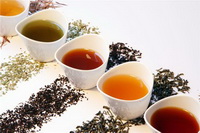
An ancient Chinese saying lists the "seven essentials for opening the door": firewood, rice, oil, salt, soy sauce, vinegar, and tea—illustrating that "not a day passes without tea." Types of tea include green tea, black tea, and oolong tea; additionally, there are scented teas, Maojian tea, and others. Each variety offers distinct benefits: morning tea uplifts the spirit; afternoon tea refreshes the mind; tea after overexertion helps relieve fatigue; tea after alcohol consumption benefits the gastrointestinal system by aiding digestion and alleviating alcohol toxicity; and gargling with tea after meals not only cleanses the mouth but also strengthens teeth and helps eliminate intestinal parasites.
✵The Correct Way to Drink Tea:
Tea leaves should ideally be steeped in water at 80–85 °C and consumed while freshly brewed. Boiling water should be avoided, as it may destroy nutrients in tea. Over-brewing or leaving tea to steep excessively is inadvisable, as is consuming overly concentrated infusions. Instead, dividing intake into several moderate servings is recommended. Excessive tea consumption may impair iron absorption. Drinking strong tea on an empty stomach increases the risk of theophylline toxicity. Tea also contains substantial tannic acid; when combined with dietary protein, tannic acid forms tannin-protein complexes that slow intestinal peristalsis—potentially causing constipation and enhancing the hepatotoxic effects of harmful substances, thereby contributing to fatty liver. Hence, drinking tea immediately after meals is not recommended. Moreover, tannic acid may chemically interact with many medications, forming insoluble precipitates that reduce drug efficacy; therefore, tea should generally not be used to take medicine. However, for certain drugs—including tranquilizers, antihistamines, antibiotics, and analgesics—tea may help mitigate some side effects.
Tea is a beneficial health-care product. It also contains caffeine; thus, individuals with insomnia or febrile illnesses should avoid it, as caffeine may adversely affect the fetus—pregnant women should therefore limit or avoid tea consumption. Theophylline can stimulate gastric mucosa to secrete excess gastric acid, impeding ulcer healing; hence, patients with peptic ulcers should also limit tea intake.
Six Benefits of Drinking Tea:
✵1. Lipid-Lowering and Intestinal Cleansing: The synergistic action of tea polyphenols, tea alkaloids, and vitamin C promotes fat oxidation, aids digestion, lowers blood lipids, and supports weight management. Tea polyphenols help dissolve fat, while vitamin C facilitates cholesterol excretion. Green tea naturally contains tea tannins, which enhance vascular elasticity and reduce capillary fragility.
✵2. Cancer Prevention: Green tea polyphenols invigorate the mind, strengthen immune function, and exhibit anticancer activity. They inhibit tumor development in the digestive tract, skin, lungs, and liver. Regular green tea consumption may also mitigate damage from screen radiation.
✵3. Cardiovascular Protection: Among heart disease patients aged over 60, those who consumed more than 14 cups of tea weekly had a 44% lower mortality rate within approximately 3.5 years following a myocardial infarction, compared with non-tea drinkers. Even consumption of fewer than 14 cups weekly reduced cardiovascular mortality risk by 28%.
✵4. Weight Management and Skin Health: Oolong tea soothes coughs, freshens breath, prevents dental caries, reduces skin allergies, eliminates subcutaneous fat, and diminishes cellulite ("orange-peel" appearance). Catechins in green tea exert potent antioxidant effects, improving skin tone, reducing sallowness, and brightening complexion.
✵5. Longevity Promotion: In some of the world’s longest-lived regions, centenarians traditionally consume green tea, dark rice tea, and similar infusions—often blended with whole grains—to regulate gastrointestinal function and delay aging.
✵6. Antibacterial and Disinfectant Properties: Traditional Chinese tea therapeutics across dynasties also align with modern understanding of tea’s detoxifying and antimicrobial functions. Moreover, the Chinese folk tradition of using tea to cleanse minor wounds has a scientific basis: tea leaves contain the amino acid L-theanine, which enhances the body’s infection-fighting capacity—studies suggest it may boost immune response by up to fivefold.
✵Tips: Cooking rice or preparing porridge with tea-infused water imparts a pleasant color, natural sweetness, and rich flavor—without compromising nutritional value. Regular consumption of such dishes offers benefits including oral cleansing, improved digestion, and disease prevention.

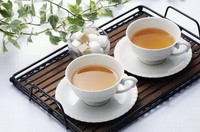 Introduction: Tea is a beneficial health-care product with numerous physiological benefits; however, it is not suitable for consumption at all times. Therefore, drinking tea at appropriate times supports overall health.
 ✵Benefits of Various Teas:
 ✵The Correct Way to Drink Tea:
 Tea is a beneficial health-care product. It also contains caffeine; thus, individuals with insomnia or febrile illnesses should avoid it, as caffeine may adversely affect the fetus—pregnant women should therefore limit or avoid tea consumption. Theophylline can stimulate gastric mucosa to secrete excess gastric acid, impeding ulcer healing; hence, patients with peptic ulcers should also limit tea intake.
 ✵1. Lipid-Lowering and Intestinal Cleansing: The synergistic action of tea polyphenols, tea alkaloids, and vitamin C promotes fat oxidation, aids digestion, lowers blood lipids, and supports weight management. Tea polyphenols help dissolve fat, while vitamin C facilitates cholesterol excretion. Green tea naturally contains tea tannins, which enhance vascular elasticity and reduce capillary fragility.
 ✵3. Cardiovascular Protection: Among heart disease patients aged over 60, those who consumed more than 14 cups of tea weekly had a 44% lower mortality rate within approximately 3.5 years following a myocardial infarction, compared with non-tea drinkers. Even consumption of fewer than 14 cups weekly reduced cardiovascular mortality risk by 28%.
 ✵4. Weight Management and Skin Health: Oolong tea soothes coughs, freshens breath, prevents dental caries, reduces skin allergies, eliminates subcutaneous fat, and diminishes cellulite ("orange-peel" appearance). Catechins in green tea exert potent antioxidant effects, improving skin tone, reducing sallowness, and brightening complexion.
 ✵6. Antibacterial and Disinfectant Properties: Traditional Chinese tea therapeutics across dynasties also align with modern understanding of tea’s detoxifying and antimicrobial functions. Moreover, the Chinese folk tradition of using tea to cleanse minor wounds has a scientific basis: tea leaves contain the amino acid L-theanine, which enhances the body’s infection-fighting capacity—studies suggest it may boost immune response by up to fivefold.
