Introduction: For the human body, the best beverage is natural water. It hydrates the body without imposing a metabolic burden, supports intestinal cleansing and detoxification, and is a cornerstone of dietary health.
The Importance of Drinking Water
Chinese people have boiled drinking water for over 4,000 years. "Tang" (soup) refers to hot or boiled water. In contrast, ancient Westerners did not commonly consume boiled water—making plagues a frequent scourge; indeed, at times nearly half of Europe’s population was wiped out. According to the World Health Organization, 80% of human diseases are linked to water quality, which remains a vital component of our overall quality of life.
Today, many people mistakenly equate "drinks" with "water." However, most beverages are not natural water—and while they may provide temporary hydration, they often harm health. Carbonated drinks contribute to calcium loss, erode tooth enamel—especially in children—and increase the risk of dental caries. U.S. medical reports indicate that men who regularly consume cola experience direct damage to sperm motility and viability, potentially impairing fertility and raising risks of fetal malformation or congenital deficiencies.
Sugary beverages are equally harmful. Whether consumed as "drink" or "food," it is advisable to prioritize naturally occurring sweetness—such as that from whole fruits—and minimize or avoid refined sugar. Fruits deliver not only sweetness but also essential vitamins—including B-complex nutrients—that aid sugar digestion and metabolism; refined sugar provides none of these. Its digestion depletes vitamin B1, which may trigger fatigue, irritability, and depressive symptoms. Moreover, refined sugar and its acidic metabolites disrupt fluid and electrolyte balance, promote weight gain, accelerate cellular aging, leach calcium from bones, and are associated with increased risks of breast cancer and uterine fibroids. Frequent consumption of sugary drinks during adolescence has also been linked to impaired cognitive development and structural brain changes.
Tap water in the United States is technically purified—but much of it is distributed through systems originally designed for non-potable uses (e.g., bathing, toilet flushing water) containing minerals and trace elements—whereas modern approaches isolate minerals as "solutes" and discard them, retaining only the "solvent" (pure H₂O). In reality, naturally mineralized water remains the superior choice for daily hydration.
Even without physical activity, the human body loses approximately 0.5 liters of water daily through insensible perspiration—primarily via the skin. Therefore, consistent daily hydration is essential; do not wait until thirst arises. When boiling tap water, bring it to a full rolling boil for at least three minutes before removing from heat: this reduces concentrations of volatile contaminants to their lowest practical levels. However, prolonged boiling (beyond 10–15 minutes) may concentrate non-volatile impurities or generate undesirable by-products such as nitrite or scale-derived heavy metals. When traveling or dining out, opt for certified natural mineral water. Raw spring water offers advantages—including higher dissolved oxygen content—but requires careful sourcing. Investing in a high-quality water filter is a prudent choice: it can effectively remove secondary contaminants introduced by aging metal pipes (e.g., lead, copper, rust). Current filtration technologies include ultraviolet (UV) irradiation, reverse osmosis (RO), activated carbon adsorption, microporous ceramic filtration, and neutral fiber membrane filtration. While combining multiple technologies often enhances removal efficacy, optimal performance depends on proper maintenance, correct technology selection for local water conditions, and regular filter replacement—not merely the number of stages.
Benefits of Drinking Water
✵1. Nutrient Transport Medium: Water serves as both a "medium" and a "bridge" for nutrient absorption, distribution, and cellular delivery. Its primary physiological role is to transport dissolved nutrients and oxygen into cells. Without adequate water, nutrients remain extracellular—rendering them biologically inaccessible. This explains why severe dehydration proves rapidly fatal.
✵2. Anti-Aging Support: At birth, a baby’s body is ~90% water; this declines gradually to ~70% in adulthood and further to ~50% in advanced age—demonstrating a strong correlation between hydration status and biological aging. Proper, consistent hydration supports cellular repair, maintains tissue elasticity, and helps sustain metabolic efficiency—thereby contributing to healthy aging.
✵3. Waste Elimination Aid: All metabolic processes depend on water. It enables excretion of metabolic waste products—including urea, creatinine, and toxins—via urine, sweat, and feces. Sufficient water intake accelerates metabolic turnover, enhances renal clearance, and boosts overall vitality.
✵4. Thermoregulation: Maintaining stable core temperature is essential for all enzymatic and physiological functions. Water facilitates heat dissipation through sweating and cutaneous blood flow—helping the body cool efficiently during heat stress and restore thermal equilibrium rapidly.
✵Urine color is a reliable, real-time indicator of hydration status. Although morning urine is typically more concentrated and darker yellow, healthy daytime urine should appear pale straw-colored to transparent—resembling diluted lemonade. Consistently dark yellow, amber, or brownish urine signals inadequate hydration or potential underlying health issues requiring evaluation.

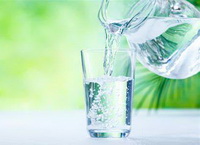 Introduction: For the human body, the best beverage is natural water. It hydrates the body without imposing a metabolic burden, supports intestinal cleansing and detoxification, and is a cornerstone of dietary health.
 Chinese people have boiled drinking water for over 4,000 years. "Tang" (soup) refers to hot or boiled water. In contrast, ancient Westerners did not commonly consume boiled water—making plagues a frequent scourge; indeed, at times nearly half of Europe’s population was wiped out. According to the World Health Organization, 80% of human diseases are linked to water quality, which remains a vital component of our overall quality of life.
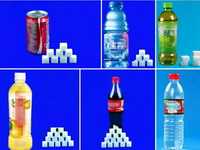 Today, many people mistakenly equate "drinks" with "water." However, most beverages are not natural water—and while they may provide temporary hydration, they often harm health. Carbonated drinks contribute to calcium loss, erode tooth enamel—especially in children—and increase the risk of dental caries. U.S. medical reports indicate that men who regularly consume cola experience direct damage to sperm motility and viability, potentially impairing fertility and raising risks of fetal malformation or congenital deficiencies.
 Sugary beverages are equally harmful. Whether consumed as "drink" or "food," it is advisable to prioritize naturally occurring sweetness—such as that from whole fruits—and minimize or avoid refined sugar. Fruits deliver not only sweetness but also essential vitamins—including B-complex nutrients—that aid sugar digestion and metabolism; refined sugar provides none of these. Its digestion depletes vitamin B1, which may trigger fatigue, irritability, and depressive symptoms. Moreover, refined sugar and its acidic metabolites disrupt fluid and electrolyte balance, promote weight gain, accelerate cellular aging, leach calcium from bones, and are associated with increased risks of breast cancer and uterine fibroids. Frequent consumption of sugary drinks during adolescence has also been linked to impaired cognitive development and structural brain changes.
 Tap water in the United States is technically purified—but much of it is distributed through systems originally designed for non-potable uses (e.g., bathing, toilet flushing water) containing minerals and trace elements—whereas modern approaches isolate minerals as "solutes" and discard them, retaining only the "solvent" (pure H₂O). In reality, naturally mineralized water remains the superior choice for daily hydration.
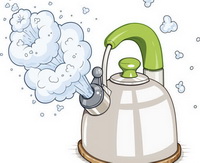 Even without physical activity, the human body loses approximately 0.5 liters of water daily through insensible perspiration—primarily via the skin. Therefore, consistent daily hydration is essential; do not wait until thirst arises. When boiling tap water, bring it to a full rolling boil for at least three minutes before removing from heat: this reduces concentrations of volatile contaminants to their lowest practical levels. However, prolonged boiling (beyond 10–15 minutes) may concentrate non-volatile impurities or generate undesirable by-products such as nitrite or scale-derived heavy metals. When traveling or dining out, opt for certified natural mineral water. Raw spring water offers advantages—including higher dissolved oxygen content—but requires careful sourcing. Investing in a high-quality water filter is a prudent choice: it can effectively remove secondary contaminants introduced by aging metal pipes (e.g., lead, copper, rust). Current filtration technologies include ultraviolet (UV) irradiation, reverse osmosis (RO), activated carbon adsorption, microporous ceramic filtration, and neutral fiber membrane filtration. While combining multiple technologies often enhances removal efficacy, optimal performance depends on proper maintenance, correct technology selection for local water conditions, and regular filter replacement—not merely the number of stages.
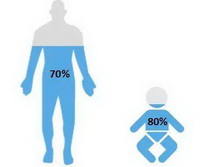 ✵2. Anti-Aging Support: At birth, a baby’s body is ~90% water; this declines gradually to ~70% in adulthood and further to ~50% in advanced age—demonstrating a strong correlation between hydration status and biological aging. Proper, consistent hydration supports cellular repair, maintains tissue elasticity, and helps sustain metabolic efficiency—thereby contributing to healthy aging.
 ✵4. Thermoregulation: Maintaining stable core temperature is essential for all enzymatic and physiological functions. Water facilitates heat dissipation through sweating and cutaneous blood flow—helping the body cool efficiently during heat stress and restore thermal equilibrium rapidly.
