How to Take Care of Yourself and Avoid Fire-Heat Rising in Spring
How to Take Care of Yourself and Avoid Fire-Heat Rising in Spring
Introduction: Spring is a season of gradual warming; temperatures and weather change rapidly, and the air becomes dry—less humid than in winter. Excessive internal heat, or “fire-heat rising,” can trouble many people. In Traditional Chinese Medicine (TCM), excessive heat and fire-heat rising are often associated with skin acne. Not only must one endure the discomfort of internal heat and fire, but one may also face an increased risk of acne. Therefore, how can you effectively prevent fire-heat rising in daily life?
Does Eating Sweet Foods Cause Fire-Heat Rising?
Many foods may contribute to excessive internal heat and fire-heat rising. If your diet is unbalanced, it becomes easy to generate excess heat. TCM practitioners state: “Sweet flavors tonify deficiency,” confirming that sweet foods have a nourishing effect. However, TCM theory also holds that “excessive tonification generates heat and aids pathogens.” Thus, overusing sweet foods to supplement deficiency may disrupt bodily balance, leading to dysfunction, fire-heat rising, or other conditions—such as oral or nasal bleeding, mouth or tongue ulcers, red eyes, abdominal distension, or poor appetite.
Snacks are a common part of daily life—and many snacks contribute to internal heat and fire-heat rising. To enhance flavor, manufacturers often add sweeteners to snacks; consuming them excessively naturally promotes fire-heat rising due to their sweetness. Moreover, dried fruits, candies, and similar treats are high in calories. Overconsumption leads to caloric surplus, further increasing the likelihood of fire-heat rising.
What Can You Do About Fire-Heat Rising? Staying Hydrated Is Crucial.
Fire-heat rising is especially common in spring, and many people experience related symptoms. One major contributing factor is insufficient water intake in daily life, compounded by the season’s dry climate—both of which irritate the body and trigger fire-heat rising. Symptoms such as chapped lips, sore throat, throat pain, and itching can be alleviated by developing consistent hydration habits. Note: avoid drinking large amounts of icy beverages; likewise, avoid consuming excessive water all at once. Instead, drink moderate amounts regularly—especially in the morning, at noon, in the evening, and during work hours. Good beverage choices include light green tea, lemon water, honey water, and freshly squeezed fruit juices. Freshly squeezed juice is especially healthy: it contains no artificial pigments or flavorings. When preparing fruit juice, opt for cooling fruits—though individuals with a cold constitution should limit icy or chilled drinks. Cooling fruits that help clear heat include kiwi, watermelon, cantaloupe, cucumber, and tomato juice. Ultimately, timely intake of vitamins and fluids helps maintain bodily health and balance, easing discomfort and alleviating excessive internal heat.

 Introduction: Spring is a season of gradual warming; temperatures and weather change rapidly, and the air becomes dry—less humid than in winter. Excessive internal heat, or “fire-heat rising,” can trouble many people. In Traditional Chinese Medicine (TCM), excessive heat and fire-heat rising are often associated with skin acne. Not only must one endure the discomfort of internal heat and fire, but one may also face an increased risk of acne. Therefore, how can you effectively prevent fire-heat rising in daily life?
 Many foods may contribute to excessive internal heat and fire-heat rising. If your diet is unbalanced, it becomes easy to generate excess heat. TCM practitioners state: “Sweet flavors tonify deficiency,” confirming that sweet foods have a nourishing effect. However, TCM theory also holds that “excessive tonification generates heat and aids pathogens.” Thus, overusing sweet foods to supplement deficiency may disrupt bodily balance, leading to dysfunction, fire-heat rising, or other conditions—such as oral or nasal bleeding, mouth or tongue ulcers, red eyes, abdominal distension, or poor appetite.
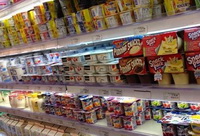 Snacks are a common part of daily life—and many snacks contribute to internal heat and fire-heat rising. To enhance flavor, manufacturers often add sweeteners to snacks; consuming them excessively naturally promotes fire-heat rising due to their sweetness. Moreover, dried fruits, candies, and similar treats are high in calories. Overconsumption leads to caloric surplus, further increasing the likelihood of fire-heat rising.

 Fire-heat rising is especially common in spring, and many people experience related symptoms. One major contributing factor is insufficient water intake in daily life, compounded by the season’s dry climate—both of which irritate the body and trigger fire-heat rising. Symptoms such as chapped lips, sore throat, throat pain, and itching can be alleviated by developing consistent hydration habits. Note: avoid drinking large amounts of icy beverages; likewise, avoid consuming excessive water all at once. Instead, drink moderate amounts regularly—especially in the morning, at noon, in the evening, and during work hours. Good beverage choices include light green tea, lemon water, honey water, and freshly squeezed fruit juices. Freshly squeezed juice is especially healthy: it contains no artificial pigments or flavorings. When preparing fruit juice, opt for cooling fruits—though individuals with a cold constitution should limit icy or chilled drinks. Cooling fruits that help clear heat include kiwi, watermelon, cantaloupe, cucumber, and tomato juice. Ultimately, timely intake of vitamins and fluids helps maintain bodily health and balance, easing discomfort and alleviating excessive internal heat.
