Health-Preserving Food Recommendations for Spring.
Health-Preserving Food Recommendations for Spring.
Introduction: According to Traditional Chinese Medicine (TCM), coarse and miscellaneous grains—such as millet, oats, barley, and legumes (i.e., cereal grains other than wheat and rice)—are neutral in nature and sweet in flavor. They invigorate the Spleen, resolve Dampness, stimulate appetite, nourish the Heart and calm the Shen, promote blood circulation, lower blood lipids, and reduce serum cholesterol—making them an excellent choice for seasonal health preservation in spring.
Health-Preserving Food Recommendations for Spring.
✵Corn: Eye Protection and Brain Health
Corn is exceptionally rich in dietary fiber, making it an effective food for preventing constipation, enteritis, and colorectal cancer. Its vitamin E content supports cell division, delays aging, lowers serum cholesterol, prevents skin lesions, alleviates arteriosclerosis, and slows age-related cognitive decline. Corn also contains lutein and zeaxanthin—phytonutrients that protect against age-related macular degeneration and may mitigate certain side effects of anticancer medications. Additionally, corn provides glutamic acid, which supports cerebral metabolism, aids waste elimination, facilitates the removal of amines from brain tissue, and thereby promotes mental clarity and cognitive function. Given spring’s dry climate—which predisposes the skin to dryness and fine wrinkles—the nutrients in corn help inhibit and delay wrinkle formation, maintaining skin suppleness and smoothness.
✵Soybeans: A Nutrient Treasurehouse
Soybeans boast exceptionally high nutritional value and are widely regarded as a “nutrient treasurehouse.” They are neutral in nature and sweet in flavor, with functions that strengthen the Spleen, moisten Dryness, resolve Dampness, clear Heat, detoxify, and tonify Qi. Thus, individuals with Spleen- and Stomach-Qi deficiency may especially benefit from incorporating soybeans into their spring diet. However, soybeans and soy products contain relatively high levels of purines; therefore, individuals with gout should avoid or strictly limit their intake.
✵Black Rice: Nourishing the Liver and Kidneys
According to TCM, black rice nourishes Yin and the Kidneys, strengthens the Spleen, nourishes the Liver, brightens the eyes, and activates blood circulation. It is traditionally used to support recovery from anemia, dizziness, blurred vision, and premature graying of hair.
Black rice also exhibits potent anti-aging properties; regular consumption helps prevent arteriosclerosis. Its rich potassium and magnesium content contributes to healthy blood pressure regulation and reduces the risk of cardiovascular disease. Consequently, black rice is a suitable dietary inclusion for individuals with diabetes or cardiovascular conditions during spring.
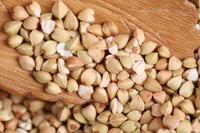
✵Buckwheat: A Classic "Three-Reduction" Food
Buckwheat—also known as Wu Mai (black wheat) and Yu Mai (green wheat)—is highly nutritious. Its lysine and arginine content exceeds that of rice and wheat. Buckwheat is cool in nature and sweet in flavor, qualifying it as a classic “three-reduction” food: it helps lower blood pressure, blood glucose, and blood lipids. Certain flavonoid compounds in buckwheat possess antibacterial and anti-inflammatory properties, and may aid in relieving cough and wheezing as well as supporting healthy blood sugar metabolism.
However, buckwheat contains multiple allergenic proteins; therefore, individuals with allergic constitutions should exercise caution and consume it only in moderation.

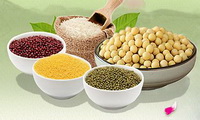 Introduction: According to Traditional Chinese Medicine (TCM), coarse and miscellaneous grains—such as millet, oats, barley, and legumes (i.e., cereal grains other than wheat and rice)—are neutral in nature and sweet in flavor. They invigorate the Spleen, resolve Dampness, stimulate appetite, nourish the Heart and calm the Shen, promote blood circulation, lower blood lipids, and reduce serum cholesterol—making them an excellent choice for seasonal health preservation in spring.

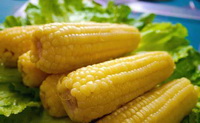 ✵Corn: Eye Protection and Brain Health
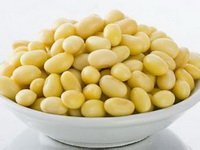 ✵Soybeans: A Nutrient Treasurehouse
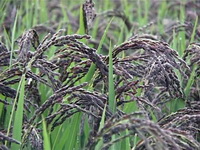 ✵Black Rice: Nourishing the Liver and Kidneys
 ✵Buckwheat: A Classic "Three-Reduction" Food
