Introduction: In early spring, although the weather begins to warm, the temperature difference between day and night remains large, and the weather is changeable—sometimes a cold front passes by. If self-care is neglected, the risk of gastrointestinal diseases or gastric disease recurrence increases. Therefore, the primary preventive measure is to avoid cold exposure—including avoiding external cold, excessive consumption of cold or raw foods, and protecting the abdomen from cold. Additionally, choosing appropriate tonic foods that warm the stomach and strengthen the spleen and stomach is also an effective method.
Why Is Your Stomach Easily Affected in Spring?
Spring, as one of the four seasons, corresponds to the liver in the Five Zang-viscera system of Traditional Chinese Medicine (TCM). Liver Qi tends to become excessive in spring, adversely affecting the spleen and stomach, impairing digestion and absorption, and potentially leading to gastroenteritis. Specifically, there are three main pathogenic factors:
(1) In spring, Liver Qi dominates; excess Liver Qi can overcontrol the spleen and stomach.
(2) Spring is windy, with alternating warmth and cold and large temperature fluctuations; even slight inattention makes the body vulnerable to cold pathogens, which most readily attack the stomach. In ancient TCM theory, cold is regarded as a Yin pathogen that easily damages Yang Qi; excessive exposure to cold or overconsumption of cold drinks may injure the spleen and stomach—sometimes causing gastrointestinal lesions. This is especially true for individuals who habitually consume cold drinks during summer and autumn, thereby weakening the spleen and stomach and predisposing them to problems in winter.
(3) Overeating during spring increases the likelihood of gastrointestinal disorders.
How to Help Yourself Prevent Stomach Disease
In the early stages of gastric disease, most symptoms involve stagnation of Liver Qi and Stomach Qi. Accordingly, once stomach health declines, prompt action is essential—delaying treatment or ignoring symptoms is inadvisable. To prevent gastrointestinal disease onset, the following tips merit attention:
1. Cold Prevention: Avoid external cold exposure, excessive intake of cold or raw foods, and abdominal chilling. Patients with gastric disease should adjust clothing promptly according to rising or falling temperatures and keep the body warm. At night, ensure adequate bedding coverage to minimize the risk of gastric disease recurrence or worsening due to abdominal cold.
2. Dietary Attention: Gastric disease patients should consume warm, soft, light, and vegetable-rich foods; avoid excessively cold, hot, hard, or highly stimulating foods; eat at regular times and in moderate quantities; strictly avoid overeating; and abstain from smoking and alcohol. When taking medication, follow proper administration methods to prevent gastric mucosal irritation.
3. Maintain Mental Calm and Emotional Stability: TCM practitioners hold that excessive rumination knots Spleen Qi, and prolonged mental strain depletes Zheng Qi (healthy Qi), disrupting transformation and transportation functions. Thus, tension, anxiety, and other adverse emotions impair spleen and stomach function. Eating while preoccupied with problems—or conducting business negotiations or meetings at mealtimes—is not advisable. Moreover, eating slowly is a key principle for stomach protection.
4. Balance Work and Rest: Pay attention to daily routines, maintain healthy habits of work and rest, and adhere to regular sleep schedules to prevent excessive fatigue.
5. Engage in Regular Exercise: Actively participate in physical activity suited to one’s capacity; this improves gastrointestinal blood circulation, enhances peristalsis, and strengthens gastrointestinal resistance.
Additionally, regularly performing gentle self-massage on the stomach and abdominal regions during this season can help improve gastric function.

 Introduction: In early spring, although the weather begins to warm, the temperature difference between day and night remains large, and the weather is changeable—sometimes a cold front passes by. If self-care is neglected, the risk of gastrointestinal diseases or gastric disease recurrence increases. Therefore, the primary preventive measure is to avoid cold exposure—including avoiding external cold, excessive consumption of cold or raw foods, and protecting the abdomen from cold. Additionally, choosing appropriate tonic foods that warm the stomach and strengthen the spleen and stomach is also an effective method.
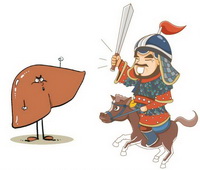
 Spring, as one of the four seasons, corresponds to the liver in the Five Zang-viscera system of Traditional Chinese Medicine (TCM). Liver Qi tends to become excessive in spring, adversely affecting the spleen and stomach, impairing digestion and absorption, and potentially leading to gastroenteritis. Specifically, there are three main pathogenic factors:
 In the early stages of gastric disease, most symptoms involve stagnation of Liver Qi and Stomach Qi. Accordingly, once stomach health declines, prompt action is essential—delaying treatment or ignoring symptoms is inadvisable. To prevent gastrointestinal disease onset, the following tips merit attention:
 1. Cold Prevention: Avoid external cold exposure, excessive intake of cold or raw foods, and abdominal chilling. Patients with gastric disease should adjust clothing promptly according to rising or falling temperatures and keep the body warm. At night, ensure adequate bedding coverage to minimize the risk of gastric disease recurrence or worsening due to abdominal cold.
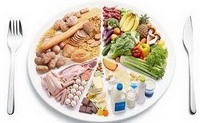 2. Dietary Attention: Gastric disease patients should consume warm, soft, light, and vegetable-rich foods; avoid excessively cold, hot, hard, or highly stimulating foods; eat at regular times and in moderate quantities; strictly avoid overeating; and abstain from smoking and alcohol. When taking medication, follow proper administration methods to prevent gastric mucosal irritation.
 3. Maintain Mental Calm and Emotional Stability: TCM practitioners hold that excessive rumination knots Spleen Qi, and prolonged mental strain depletes Zheng Qi (healthy Qi), disrupting transformation and transportation functions. Thus, tension, anxiety, and other adverse emotions impair spleen and stomach function. Eating while preoccupied with problems—or conducting business negotiations or meetings at mealtimes—is not advisable. Moreover, eating slowly is a key principle for stomach protection.
 4. Balance Work and Rest: Pay attention to daily routines, maintain healthy habits of work and rest, and adhere to regular sleep schedules to prevent excessive fatigue.
 5. Engage in Regular Exercise: Actively participate in physical activity suited to one’s capacity; this improves gastrointestinal blood circulation, enhances peristalsis, and strengthens gastrointestinal resistance.
