Choose clothes that fit your body and do not strain it.
Introduction.
Introduction: Choose clothing suited to your body shape so that your body remains unrestricted and unimpeded—thus safeguarding your health. This is a healthy habit for self-care.
Ancient and modern insights: As the ancients said, “Loose clothing and belts, hair draped freely—the body can stretch fully, and blood will not stagnate.” This promotes smooth flow of Qi and blood, resulting in robust health; therefore, clothing should be comfortably loose.
Some people in Asia believe loose clothing relieves psychological and physical pressure—hence garments should be loose, natural, and unrestrained.
Choose clothes that fit your body and do not strain it.
Fashion trends constantly evolve: ultra-tight undergarments, body-shaping lingerie, low-rise skinny jeans, and thongs—though popular—pose numerous health risks. Jeans are among the most widely worn garments globally, with 90% of young people owning at least one pair. Well-fitting jeans do not cause “jeans syndrome,” provided they allow freedom of movement and do not feel constricting.
Loose-fitting clothing is especially recommended for pregnant women. However, many wear short, tight strapless bras to lift the breasts—leaving red marks on the shoulders. Elderly individuals often fall into the “three tight” trap: tight collars, tight waists, and tight socks. Cardiovascular patients must avoid overly tight clothing, as it may trigger acute episodes. Ill-fitting, restrictive garments can also hinder physical activity and diminish performance.
It is widely recognized that women should avoid wearing bras or undergarments continuously for 24 hours—prolonged compression of the chest may contribute to breast disorders and impair cardiopulmonary function. In fact, many women tolerate limited wear precisely because such garments are inherently restrictive. Ideal undergarments should fit well, provide adequate breast support—but without excessive constriction. For pants, socks, and other elastic-edged garments, the standard is simple: after wearing them all day, no red indentation marks should appear, skin should not be chafed—and fit should be secure but not tight. Outer pants must allow ease of movement—including squatting. Belts should be worn lightly—not so tight as to restrict breathing or compress internal organs for the sake of a slimmer waistline. Older adults wearing turtlenecks and professionals wearing overly tight ties risk carotid artery compression. Ultimately, only one principle matters: comfort and fit. After dressing, try moving your upper body—if clothing does not impede motion or cause awareness during activity, it qualifies as appropriately loose.
Health benefits of choosing proper clothing:
✵1. Preventing infertility: Wearing tight clothing during menstruation may contribute to endometriosis. Women in developed countries wear more tight-fitting garments, and the incidence of endometriosis is significantly higher than among women in developing countries who rarely wear such clothing. Tight garments increase intra-abdominal pressure; when removed, the sudden pressure drop may cause menstrual blood to reflux from the uterine cavity through the fallopian tubes into the abdominal cavity—triggering “endometriosis.” This condition can lead to dysmenorrhea, painful intercourse, menstrual irregularities, and even infertility. Conversely, men wearing excessively tight jeans compress the scrotum and testicles, impairing local heat dissipation, raising testicular temperature, inhibiting sperm production, causing scrotal eczema, and—in severe cases—compromising reproductive function.
✵2. Ensuring unimpeded blood circulation: A “tight waist” restricts blood flow below the waist and increases cardiac workload and blood pressure. A “tight collar” compresses the carotid arteries, potentially causing a sudden drop in cerebral perfusion pressure—leading to syncope and, in extreme cases, sudden death. “Tight sock cuffs” impede circulation between the heart and feet, hindering nutrient delivery and waste removal; this may result in foot edema, leg swelling, cold or painful feet, numbness and weakness in the legs and feet, and accelerated functional decline—including gait deterioration associated with aging. Properly fitting clothing does not impede systemic blood flow.
✵3. Promoting bodily relaxation: Many students have been reprimanded by middle school physical education teachers for wearing jeans to gym class—because restrictive clothing not only hampers visceral digestion but also limits free limb movement, thereby reducing exercise effectiveness.
✵Tips: An extender clasp is an inexpensive, practical, and easy solution for women whose bras have suddenly become too small.

 Introduction: Choose clothing suited to your body shape so that your body remains unrestricted and unimpeded—thus safeguarding your health. This is a healthy habit for self-care.
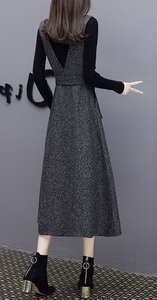 Fashion trends constantly evolve: ultra-tight undergarments, body-shaping lingerie, low-rise skinny jeans, and thongs—though popular—pose numerous health risks. Jeans are among the most widely worn garments globally, with 90% of young people owning at least one pair. Well-fitting jeans do not cause “jeans syndrome,” provided they allow freedom of movement and do not feel constricting.
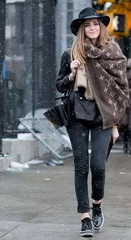 It is widely recognized that women should avoid wearing bras or undergarments continuously for 24 hours—prolonged compression of the chest may contribute to breast disorders and impair cardiopulmonary function. In fact, many women tolerate limited wear precisely because such garments are inherently restrictive. Ideal undergarments should fit well, provide adequate breast support—but without excessive constriction. For pants, socks, and other elastic-edged garments, the standard is simple: after wearing them all day, no red indentation marks should appear, skin should not be chafed—and fit should be secure but not tight. Outer pants must allow ease of movement—including squatting. Belts should be worn lightly—not so tight as to restrict breathing or compress internal organs for the sake of a slimmer waistline. Older adults wearing turtlenecks and professionals wearing overly tight ties risk carotid artery compression. Ultimately, only one principle matters: comfort and fit. After dressing, try moving your upper body—if clothing does not impede motion or cause awareness during activity, it qualifies as appropriately loose.
 ✵1. Preventing infertility: Wearing tight clothing during menstruation may contribute to endometriosis. Women in developed countries wear more tight-fitting garments, and the incidence of endometriosis is significantly higher than among women in developing countries who rarely wear such clothing. Tight garments increase intra-abdominal pressure; when removed, the sudden pressure drop may cause menstrual blood to reflux from the uterine cavity through the fallopian tubes into the abdominal cavity—triggering “endometriosis.” This condition can lead to dysmenorrhea, painful intercourse, menstrual irregularities, and even infertility. Conversely, men wearing excessively tight jeans compress the scrotum and testicles, impairing local heat dissipation, raising testicular temperature, inhibiting sperm production, causing scrotal eczema, and—in severe cases—compromising reproductive function.
 ✵2. Ensuring unimpeded blood circulation: A “tight waist” restricts blood flow below the waist and increases cardiac workload and blood pressure. A “tight collar” compresses the carotid arteries, potentially causing a sudden drop in cerebral perfusion pressure—leading to syncope and, in extreme cases, sudden death. “Tight sock cuffs” impede circulation between the heart and feet, hindering nutrient delivery and waste removal; this may result in foot edema, leg swelling, cold or painful feet, numbness and weakness in the legs and feet, and accelerated functional decline—including gait deterioration associated with aging. Properly fitting clothing does not impede systemic blood flow.
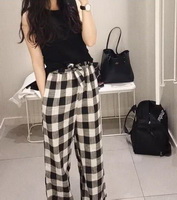 ✵3. Promoting bodily relaxation: Many students have been reprimanded by middle school physical education teachers for wearing jeans to gym class—because restrictive clothing not only hampers visceral digestion but also limits free limb movement, thereby reducing exercise effectiveness.
