Health Preservation in Routine Daily Lives 1 to 16
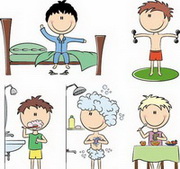
✵Health preservation tips for daily life are introduced: regular physical examinations, checking yourself in the mirror, disinfecting and cleaning daily-use items, tips for cleaning your washing machine and furniture, maintaining personal hygiene (e.g., handwashing and nail trimming), choosing properly fitting shoes and clothing, optimal timing for hair washing and showering, benefits of maintaining fresh indoor air and keeping houseplants, health issues associated with excessive Internet use, eye protection tips for computer users, drawbacks of prolonged TV watching, creative uses of eggshells, and benefits of regular sun exposure, etc.
Regular physical examination: prevent the disease.
Regular physical examination is an important preventive measure to detect diseases early and reduce their occurrence. It is akin to identifying potential health vulnerabilities before they become serious — a necessary and proactive health habit for self-protection.
The Benefits of Mirror Observation: A Self-Diagnosis Practice
Looking at yourself in the mirror daily not only boosts confidence and improves mood but also enhances energy levels. Most importantly, it provides a valuable opportunity for routine self-examination.
Do a good job of disinfecting and cleaning daily-use items.
Towels, toothbrushes, undergarments, and clothing are articles that come into intimate contact with the human body every day; they should follow the “one person, one item” principle—do not share or mix-wash.
The washing machine needs to be cleaned regularly.
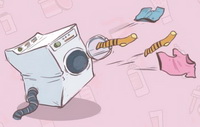
Technology has made life easier, but appliances such as washing machines, dishwashers, and produce washers can themselves become sources of contamination. They require regular cleaning. The interstitial areas of washing machines accumulate scale, residual detergent, fabric fibers, human-derived organic matter, dust, and bacteria.
How to Choose the Right Furniture: Does Furniture Affect Your Health?
Choose furniture that suits the body to help us sit or lie down more comfortably—preventing poor sleeping and sitting postures. This is a healthy habit grounded in human-centered design.
Wash Your Hands and Trim Your Nails Regularly: Keyboards and mobile phones should also be disinfected frequently.
Frequent handwashing maintains hand hygiene and helps prevent the transmission of germs—both to oneself and to others. It is a cornerstone of food safety and an essential habit for preserving bodily cleanliness and reducing infection risk.
How to Choose the Right Pair of Shoes: The Right Shoes Accompany Your Life’s Journey
Choose shoes that fit properly, feel comfortable, suit the season (breathable for warmth or ventilation), and support healthy movement—so you can walk life’s journey more easily. This is a vital habit for protecting both foot health and overall well-being.
Choose clothes that fit your body and do not strain it.
Choose clothing suited to your body shape so that your body remains unrestricted and unimpeded—thus safeguarding your health. This is a healthy habit for self-care.
How often should you wash your hair for optimal health? The correct way to wash your hair.
Hair cleanliness is the foundation of healthy, beautiful hair. Therefore, determining how frequently to wash your hair, selecting the appropriate shampoo, and understanding how to choose one suited to your scalp and hair type are essential.
When is the optimal time to shower? — Avoid showering immediately after a full meal or while fasting.
Showering at the appropriate time not only cleanses the body but also promotes physical and mental relaxation. However, showering too frequently—or at inappropriate times, such as on an empty stomach or shortly before or after meals—can adversely affect health.
Open a window to ventilate—this helps keep the air fresh and highlights which plants can purify indoor air.
Taking a breath of fresh air at the right time, opening a window for ventilation, and stepping outside can instantly make people feel relaxed and energized. It is an indispensable part of a healthy lifestyle.
Top 10 Health Risks Associated with Excessive Internet Use
The Internet has brought remarkable convenience. Yet, while enjoying these benefits, some individuals with weaker self-regulation may develop internet addiction: like spiders trapped in their own webs, they struggle to function normally without constant online access. So, what harms arise from prolonged internet use?
How Can Computer Users Protect Their Eyes?
Clinically, ophthalmologists frequently encounter patients presenting with symptoms such as dryness, discomfort, photophobia, and blurred vision. Most are computer operators, editors, graphic designers, teachers, or artisans engaged in fine-detail work (e.g., embroidery). Importantly, they typically stem not from underlying pathology but from visual fatigue due to suboptimal ergonomic and behavioral habits.
The Downsides of Watching TV for Too Long: It Harms Your Eyes, Liver, and Skin.
Television is part of recreation in our daily lives; however, viewing time should be moderate. Excessive viewing can damage eyesight. Developing the habit of protecting both eyes and liver is essential for maintaining health.
What is the use of an eggshell?
In this article, we introduce 13 lesser-known uses of eggshells. Wisdom is everywhere in life. Aid skincare, calcium supplement, cleaning agent...
What are the benefits of regular sun exposure?
Many people avoid sunlight due to concerns about skin darkening, but brief, sensible sun exposure can strengthen the body’s defenses, improve sleep and mood, and invigorate overall well-being.

 ✵Health preservation tips for daily life are introduced: regular physical examinations, checking yourself in the mirror, disinfecting and cleaning daily-use items, tips for cleaning your washing machine and furniture, maintaining personal hygiene (e.g., handwashing and nail trimming), choosing properly fitting shoes and clothing, optimal timing for hair washing and showering, benefits of maintaining fresh indoor air and keeping houseplants, health issues associated with excessive Internet use, eye protection tips for computer users, drawbacks of prolonged TV watching, creative uses of eggshells, and benefits of regular sun exposure, etc.
 Regular physical examination is an important preventive measure to detect diseases early and reduce their occurrence. It is akin to identifying potential health vulnerabilities before they become serious — a necessary and proactive health habit for self-protection.
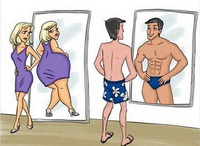 Looking at yourself in the mirror daily not only boosts confidence and improves mood but also enhances energy levels. Most importantly, it provides a valuable opportunity for routine self-examination.
 Towels, toothbrushes, undergarments, and clothing are articles that come into intimate contact with the human body every day; they should follow the “one person, one item” principle—do not share or mix-wash.
 Technology has made life easier, but appliances such as washing machines, dishwashers, and produce washers can themselves become sources of contamination. They require regular cleaning. The interstitial areas of washing machines accumulate scale, residual detergent, fabric fibers, human-derived organic matter, dust, and bacteria.
 Choose furniture that suits the body to help us sit or lie down more comfortably—preventing poor sleeping and sitting postures. This is a healthy habit grounded in human-centered design.
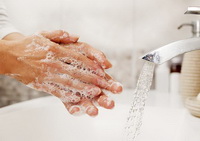 Frequent handwashing maintains hand hygiene and helps prevent the transmission of germs—both to oneself and to others. It is a cornerstone of food safety and an essential habit for preserving bodily cleanliness and reducing infection risk.
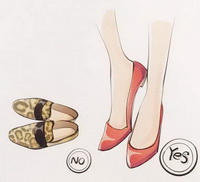 Choose shoes that fit properly, feel comfortable, suit the season (breathable for warmth or ventilation), and support healthy movement—so you can walk life’s journey more easily. This is a vital habit for protecting both foot health and overall well-being.
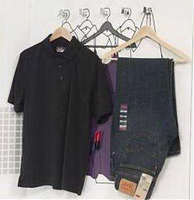 Choose clothing suited to your body shape so that your body remains unrestricted and unimpeded—thus safeguarding your health. This is a healthy habit for self-care.
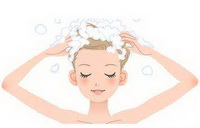 Hair cleanliness is the foundation of healthy, beautiful hair. Therefore, determining how frequently to wash your hair, selecting the appropriate shampoo, and understanding how to choose one suited to your scalp and hair type are essential.
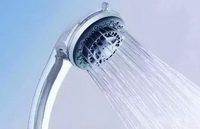 Showering at the appropriate time not only cleanses the body but also promotes physical and mental relaxation. However, showering too frequently—or at inappropriate times, such as on an empty stomach or shortly before or after meals—can adversely affect health.
 Taking a breath of fresh air at the right time, opening a window for ventilation, and stepping outside can instantly make people feel relaxed and energized. It is an indispensable part of a healthy lifestyle.
 The Internet has brought remarkable convenience. Yet, while enjoying these benefits, some individuals with weaker self-regulation may develop internet addiction: like spiders trapped in their own webs, they struggle to function normally without constant online access. So, what harms arise from prolonged internet use?
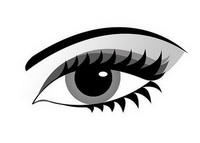 Clinically, ophthalmologists frequently encounter patients presenting with symptoms such as dryness, discomfort, photophobia, and blurred vision. Most are computer operators, editors, graphic designers, teachers, or artisans engaged in fine-detail work (e.g., embroidery). Importantly, they typically stem not from underlying pathology but from visual fatigue due to suboptimal ergonomic and behavioral habits.
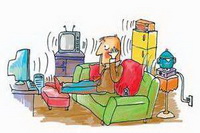 Television is part of recreation in our daily lives; however, viewing time should be moderate. Excessive viewing can damage eyesight. Developing the habit of protecting both eyes and liver is essential for maintaining health.
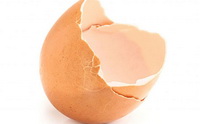 In this article, we introduce 13 lesser-known uses of eggshells. Wisdom is everywhere in life. Aid skincare, calcium supplement, cleaning agent...
 Many people avoid sunlight due to concerns about skin darkening, but brief, sensible sun exposure can strengthen the body’s defenses, improve sleep and mood, and invigorate overall well-being.