How to Choose the Right Pair of Shoes: The Right Shoes Accompany Your Life’s Journey
Introduction.
Introduction: Choose shoes that fit properly, feel comfortable, suit the season (breathable for warmth or ventilation), and support healthy movement—so you can walk life’s journey more easily. This is a vital habit for protecting both foot health and overall well-being.
Ancient and Modern Insights: As the ancient proverb states, “A journey of a thousand miles begins with a single step.” Selecting appropriate footwear empowers you to walk farther and more confidently. The classical works Laolao Hengyan (Constant Sayings for the Elderly) notes: “The yin meridians converge in the feet—and especially gather at the sole’s core region, where all three yin channels originate. Thus, even wearing thick-soled shoes in midsummer causes unbearable heat—a testament to how precisely footwear must align with physiological needs.” This underscores that proper shoe selection is a matter of refined, health-conscious craftsmanship.
How to Choose the Right Pair of Shoes: The Right Shoes Accompany Your Life’s Journey
Adult foot disorders primarily stem from the following causes: 5% due to excessive exercise; 11% due to uneven gait; 18% due to aging; 2% due to unknown factors; and 64% due to ill-fitting or inappropriate footwear. Consequently, the majority of foot problems are footwear-related. In the UK alone, approximately 200,000 people receive annual treatment for injuries caused by improper footwear. In the United States, one in six individuals experiences foot-related issues—and 36% of those affected consider their condition serious enough to warrant medical consultation. Annual expenditures on foot surgeries exceed $2 billion, with an additional $1.5 billion lost in productivity due to related absenteeism.
Among orthopedic patients, nearly half present with conditions directly attributable to footwear—specifically, wearing shoes incompatible with natural foot anatomy. Such mismatched footwear contributes to a wide range of foot pathologies. When foot pain arises, individuals often unconsciously alter their gait or stride to alleviate discomfort. However, these compensatory changes frequently trigger secondary issues—including lower back pain, headaches, and calf muscle spasms—creating a self-perpetuating cycle.
Chiropractors recommend footwear that prioritizes comfort and biomechanical integrity: supporting spinal alignment, hip stability, knee tracking, ankle mobility, and toe splay—all in harmony with human anatomy and functional movement patterns. Material luxury is secondary to structural appropriateness. Indeed, for a person navigating daily life, a well-designed pair of shoes holds greater functional value than even the finest horse did for a medieval knight.
✵How to Choose a Suitable Pair of Shoes
A heel height of 2–3 cm promotes optimal arch support, encourages pelvic anteversion (slight forward tilt), engages core musculature, lifts the chest, and enhances upright posture—contributing to a taller, more energetic appearance. Shoes must fit snugly yet without constriction: overly tight footwear compresses the forefoot and impairs circulation, while elderly individuals—who often have reduced joint flexibility—benefit from slip-on or Velcro-closure styles. Though breathable footwear is increasingly rare, prioritizing ventilation remains essential for foot health. Soles should offer balanced cushioning—not excessively rigid nor overly thin. Except for sandals and slippers, socks are recommended with all other footwear to absorb moisture and minimize friction-induced irritation. Adult women may wear moderate heels to support postural correction of mild kyphosis; however, high heels are unsuitable for pubescent girls, as they risk skeletal deformation, flat feet, or pelvic misalignment. Notably, flip-flops—despite their casual appeal—compromise foot and spinal biomechanics and should be worn sparingly.
When purchasing shoes, always try them on—and do so confidently. While walking in them, carefully assess pressure points or areas of constriction. Additionally, buy from reputable retailers offering fair return policies; wear new shoes at home for several hours before extended use, and promptly exchange ill-fitting pairs. A well-fitted shoe should never cause blisters or discomfort from the outset. Do not assume repeated wear will “break in” an unsuitable shoe—forcing your foot to adapt risks permanent deformity.
Also, don’t wear the same pair of shoes all the time. You need different shoes for different occasions and sports to better protect your body.
Health benefits of choosing proper footwear:
✵1. Foot care and maintenance: If the heel is too high, the toes are compressed into the toe box of the shoe, causing toe injuries and inflammation—such as bunions. High heels may also strain the calf muscles; ligaments remain in a chronically tense, shortened state; knee joints become stiff; and the risk of ankle sprains increases. Wearing shoes that are too small over a long period can cause corns or calluses on the feet, making walking painful. Airtight shoes can suffocate the feet and lead to conditions like beriberi. When visiting someone’s home, removing such shoes may reveal unpleasant odor—causing embarrassment.
✵2. Spinal and neurological protection: Flat shoes shift the center of gravity too far backward, forcing the body to lean forward to maintain balance; heel-strike impact during walking transmits vibration upward to the brain. Excessively high heels increase pressure on the metatarsal bones and compress surrounding tissues, raising stress on the ankles and knees; the waist and abdomen must shift significantly forward to compensate—easily leading to strain of lumbar and hip muscles and ligaments. Wearing “flip-flops” causes the waist to arch backward naturally to counteract forward-leaning posture, and prolonged use may damage the spine.
✵Tips: Shoes should be regularly aired out and sun-dried to inhibit bacterial growth inside. If sun-drying is inconvenient, you can place an “activated carbon deodorizing bag” inside the shoes—it helps absorb moisture and odor while exerting antibacterial effects.

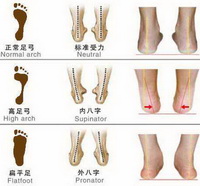 Introduction: Choose shoes that fit properly, feel comfortable, suit the season (breathable for warmth or ventilation), and support healthy movement—so you can walk life’s journey more easily. This is a vital habit for protecting both foot health and overall well-being.
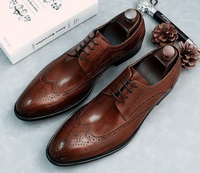 Adult foot disorders primarily stem from the following causes: 5% due to excessive exercise; 11% due to uneven gait; 18% due to aging; 2% due to unknown factors; and 64% due to ill-fitting or inappropriate footwear. Consequently, the majority of foot problems are footwear-related. In the UK alone, approximately 200,000 people receive annual treatment for injuries caused by improper footwear. In the United States, one in six individuals experiences foot-related issues—and 36% of those affected consider their condition serious enough to warrant medical consultation. Annual expenditures on foot surgeries exceed $2 billion, with an additional $1.5 billion lost in productivity due to related absenteeism.
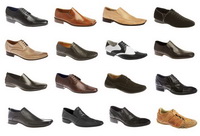 ✵How to Choose a Suitable Pair of Shoes
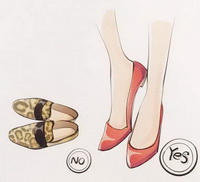 When purchasing shoes, always try them on—and do so confidently. While walking in them, carefully assess pressure points or areas of constriction. Additionally, buy from reputable retailers offering fair return policies; wear new shoes at home for several hours before extended use, and promptly exchange ill-fitting pairs. A well-fitted shoe should never cause blisters or discomfort from the outset. Do not assume repeated wear will “break in” an unsuitable shoe—forcing your foot to adapt risks permanent deformity.
 ✵1. Foot care and maintenance: If the heel is too high, the toes are compressed into the toe box of the shoe, causing toe injuries and inflammation—such as bunions. High heels may also strain the calf muscles; ligaments remain in a chronically tense, shortened state; knee joints become stiff; and the risk of ankle sprains increases. Wearing shoes that are too small over a long period can cause corns or calluses on the feet, making walking painful. Airtight shoes can suffocate the feet and lead to conditions like beriberi. When visiting someone’s home, removing such shoes may reveal unpleasant odor—causing embarrassment.
