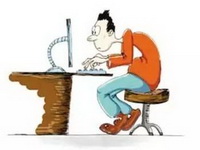
Introduction: Whether engaged in “desk work” or “sitting to relax,” it is important to move regularly—stretching muscles and joints—to promote healthy circulation and maintain overall fitness.
Ancient and Modern Insights: The Huangdi Neijing·Suwen·Xuanming Wushi Lun (The Yellow Emperor’s Inner Canon: Basic Questions—Discourse on the Five Movements and Six Qi) states in the section “Five Types of Labor-Induced Injury”: “Prolonged gazing injures the Blood; prolonged lying injures Qi; prolonged sitting injures the Flesh; prolonged standing injures the Bones; prolonged walking injures the Muscles.” An ancient folk saying goes: “The tailor, needle and thread in hand, spits blood from exhaustion while sewing”—highlighting how extended sitting harms the Flesh. The remedy is “movement and endurance”: through motion, Qi and Blood circulate freely throughout the body, sustaining the muscles—especially those of the limbs.
Don’t Burn the Planks
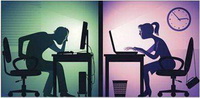
Modern work life has become overwhelmingly sedentary. Most people spend nearly all their non-meal and non-commuting hours seated. Few realize this is not “sitting back to rest,” but “sitting into aging.” As reported in the journal Nature, a person’s lifestyle today determines their health two decades later. Over the next 10 years, an estimated 388 million deaths worldwide will result from chronic diseases linked to unhealthy habits—and prolonged sitting (“burning the planks”) is recognized by the WHO as one of the top ten modifiable risk factors for fatal disease. Sedentary behavior contributes to over two million premature deaths globally each year. Adults are 60–85% more likely to lead sedentary or physically inactive lives.
First, adopt proper posture. “Upright sitting” is a traditional healthy posture that prevents excessive strain on the lumbosacral ligaments and muscles, helping maintain natural lumbar and full-spinal alignment. When seated at a desk, pull the chair close to the table and, building upon the “upright sit,” gently lean the lower back against the chair’s lumbar support. Keep knees slightly higher than hips to reduce spinal pressure. A small footrest placed under the chair can further improve ergonomics—especially during long sitting sessions—and help prevent dizziness or imbalance when rising. For extended sitting, choose a chair with armrests and adequate lumbar support.
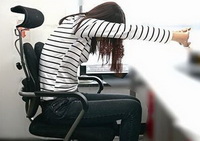
Avoid sitting for long periods on overly soft sofas. Stand up and move every 45 minutes or so. Gently stretch your waist, rotate your head, circle your shoulders, lean forward and backward, twist left and right, rise onto your toes, and breathe deeply in fresh air. Brew yourself a cup of barley tea—it nourishes the stomach, strengthens the Spleen, and aids digestion. Don’t drink too much at once; sip moderately so you’ll naturally rise later to refill your cup—and move your body in the process.
Don’t Burn the Planks: Health Benefits
✵1. Prevent Blood Stasis: Prolonged sitting impairs Spleen Qi, leading to poor digestion, abdominal distension, loss of appetite, lethargy, and reduced speech. It may also cause muscle pain, stiffness, atrophy, and weakness. Anal venous congestion increases the risk of hemorrhoids—causing anal discomfort, bleeding, or even hematochezia—and chronic cases may result in anemia. Reduced cardiac output and sluggish circulation from sitting elevate risks of hypertension and coronary artery disease. Excessive venous congestion in the limbs can cause swelling, pain, and varicose veins. Chronic sitting also reduces thoracic perfusion, worsening pre-existing heart and lung conditions—including emphysema and respiratory infections—in older adults.
✵2. Prevent Bone and Joint Injury: In healthy joints, movement stimulates synovial fluid secretion—a natural lubricant preventing bone-on-bone friction. Sedentary individuals produce insufficient synovial fluid, causing joint dryness and increasing susceptibility to osteoarthritis and spondylosis. Prolonged immobility stiffens cervical vertebrae, impeding vertebral artery blood flow to the brain and disrupting the spine’s natural curvature—potentially resulting in kyphosis or osteophyte formation.
✵3. Prevent Obesity: An enzyme critical for fat metabolism—lipoprotein lipase—declines sharply during sitting. Extended sedentary time thus promotes fat accumulation, often manifesting as abdominal adiposity (“small belly”) or lower-limb edema (“elephant legs”). Without regular movement, visceral fat accumulates in the abdomen, forming metabolically active “dangerous fat” linked to insulin resistance and cardiovascular disease.
✵4. Prevent Infertility: Prolonged sitting—especially combined with habitual urine retention—can severely impair male prostate health, raising scrotal temperature and causing venous blood reflux to the testes, thereby compromising spermatogenesis. In women, chronic sitting contributes to hemorrhoids, chronic pelvic congestion, dysmenorrhea, endocrine imbalances, and Qi stagnation with Blood stasis—potentially leading to lymphatic or vascular obstruction, tubal blockage, and endometriosis, all of which increase infertility risk.
✵5. Protect Your Brain Against Aging: A British study found that individuals with high sedentary time exhibit biological aging markers equivalent to being up to 10 years older than their physically active peers. Prolonged sitting is associated with increased risks of psychological depression, irritability, low mood, and progressive disengagement from external stimuli—eventually resulting in apathy. It also reduces cerebral blood flow, limiting oxygen and nutrient delivery to the brain, thereby exacerbating fatigue, insomnia, memory deficits, and elevating the risk of Alzheimer’s disease.
✵Tips: Office workers who sit for extended periods may benefit from using a massage-equipped lumbar support cushion tailored to their needs—providing gentle lumbar stimulation and postural support.

 Introduction: Whether engaged in “desk work” or “sitting to relax,” it is important to move regularly—stretching muscles and joints—to promote healthy circulation and maintain overall fitness.
 Modern work life has become overwhelmingly sedentary. Most people spend nearly all their non-meal and non-commuting hours seated. Few realize this is not “sitting back to rest,” but “sitting into aging.” As reported in the journal Nature, a person’s lifestyle today determines their health two decades later. Over the next 10 years, an estimated 388 million deaths worldwide will result from chronic diseases linked to unhealthy habits—and prolonged sitting (“burning the planks”) is recognized by the WHO as one of the top ten modifiable risk factors for fatal disease. Sedentary behavior contributes to over two million premature deaths globally each year. Adults are 60–85% more likely to lead sedentary or physically inactive lives.
 First, adopt proper posture. “Upright sitting” is a traditional healthy posture that prevents excessive strain on the lumbosacral ligaments and muscles, helping maintain natural lumbar and full-spinal alignment. When seated at a desk, pull the chair close to the table and, building upon the “upright sit,” gently lean the lower back against the chair’s lumbar support. Keep knees slightly higher than hips to reduce spinal pressure. A small footrest placed under the chair can further improve ergonomics—especially during long sitting sessions—and help prevent dizziness or imbalance when rising. For extended sitting, choose a chair with armrests and adequate lumbar support.
 Avoid sitting for long periods on overly soft sofas. Stand up and move every 45 minutes or so. Gently stretch your waist, rotate your head, circle your shoulders, lean forward and backward, twist left and right, rise onto your toes, and breathe deeply in fresh air. Brew yourself a cup of barley tea—it nourishes the stomach, strengthens the Spleen, and aids digestion. Don’t drink too much at once; sip moderately so you’ll naturally rise later to refill your cup—and move your body in the process.
 ✵1. Prevent Blood Stasis: Prolonged sitting impairs Spleen Qi, leading to poor digestion, abdominal distension, loss of appetite, lethargy, and reduced speech. It may also cause muscle pain, stiffness, atrophy, and weakness. Anal venous congestion increases the risk of hemorrhoids—causing anal discomfort, bleeding, or even hematochezia—and chronic cases may result in anemia. Reduced cardiac output and sluggish circulation from sitting elevate risks of hypertension and coronary artery disease. Excessive venous congestion in the limbs can cause swelling, pain, and varicose veins. Chronic sitting also reduces thoracic perfusion, worsening pre-existing heart and lung conditions—including emphysema and respiratory infections—in older adults.
 ✵2. Prevent Bone and Joint Injury: In healthy joints, movement stimulates synovial fluid secretion—a natural lubricant preventing bone-on-bone friction. Sedentary individuals produce insufficient synovial fluid, causing joint dryness and increasing susceptibility to osteoarthritis and spondylosis. Prolonged immobility stiffens cervical vertebrae, impeding vertebral artery blood flow to the brain and disrupting the spine’s natural curvature—potentially resulting in kyphosis or osteophyte formation.
 ✵3. Prevent Obesity: An enzyme critical for fat metabolism—lipoprotein lipase—declines sharply during sitting. Extended sedentary time thus promotes fat accumulation, often manifesting as abdominal adiposity (“small belly”) or lower-limb edema (“elephant legs”). Without regular movement, visceral fat accumulates in the abdomen, forming metabolically active “dangerous fat” linked to insulin resistance and cardiovascular disease.
 ✵5. Protect Your Brain Against Aging: A British study found that individuals with high sedentary time exhibit biological aging markers equivalent to being up to 10 years older than their physically active peers. Prolonged sitting is associated with increased risks of psychological depression, irritability, low mood, and progressive disengagement from external stimuli—eventually resulting in apathy. It also reduces cerebral blood flow, limiting oxygen and nutrient delivery to the brain, thereby exacerbating fatigue, insomnia, memory deficits, and elevating the risk of Alzheimer’s disease.
