Causes and Self-Therapy of Insomnia in Men and Women
Introduction.
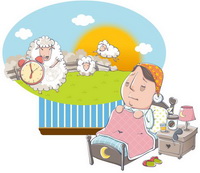
Introduction: This article outlines the causes of insomnia and self-therapeutic approaches for men and women separately. Given the variety of factors contributing to insomnia, several healthy and evidence-based methods and improvement strategies are proposed.
Causes and Self-Therapy of Insomnia in Men and Women.
✵Men may experience sleep disruption after consuming spicy food: Experts note that spicy food can interfere with sleep. While spicy foods offer multiple health benefits—such as promoting qi circulation, invigorating blood, relieving qi and blood stagnation, enhancing blood circulation and metabolism, stimulating gastrointestinal peristalsis, increasing digestive juice secretion, boosting appetite, dispelling wind, and dispersing cold—they may also impair sleep quality.
A recent study conducted by a team of researchers on a group of healthy men found that participants’ sleep patterns changed significantly after consuming meals containing spicy ingredients.
1. Foods such as chili peppers, Sichuan peppercorns, black pepper, and garlic can irritate the stomach and easily cause gastric burning sensations.
2. Spicy foods deplete endogenous sleep-promoting agents during digestion. Thus, although spicy food may induce temporary feelings of euphoria or cooling sensation, individuals seeking restful sleep should avoid hotpot, spicy stews, fiery soups, and boiled fish with heavy seasoning.
3. Chili peppers contain capsaicin and other stimulants that activate taste receptors on the tongue, triggering systemic physiological responses—including stimulation of the central nervous system and peripheral nerve endings—resulting in increased heart rate, irritability, and prolonged arousal. Therefore, while moderate intake of spicy foods as part of a balanced diet may benefit overall health, excessive consumption should be avoided, especially before bedtime.
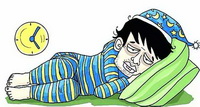
Chronic sleep deprivation poses serious health risks. Prolonged insomnia leads to significant cognitive and physiological impairments, including visual disturbances, perceptual distortions (e.g., illusions), weakened immune function, impaired digestion, reduced sexual function, memory decline, mood instability (e.g., irritability), personality changes, hypertension, coronary heart disease, stroke, diabetes, and—in women—dry skin and menstrual irregularities. The adverse effects of insomnia must not be underestimated. Treatment of insomnia and related conditions such as neurasthenia should not rely solely on pharmacotherapy; instead, lifestyle modifications and psychological stress reduction are essential. Individuals with insomnia should avoid stimulating activities (e.g., intense entertainment) before bedtime, refrain from alcohol, coffee, strong tea, and other stimulants, and instead drink a glass of warm milk and take a relaxing hot bath. Regular daily physical exercise also helps prevent insomnia. Additionally, complementary approaches—including acupoint stimulation devices (e.g., magnetic wristbands designed for hypertension management) may be considered. These devices utilize low-intensity static magnetic fields to stimulate specific acupoints around the wrist joint, thereby modulating autonomic nervous system activity—particularly the sympathetic and parasympathetic branches—and promoting peripheral capillary dilation, reducing vascular resistance, alleviating microvascular spasm, and exerting regulatory effects on insomnia- and hypertension-related neural dysfunction. Such devices are simple to use and suitable for long-term application.
✵Sleep Induction: Before bedtime, patients may listen to soft, calming music—a practice conducive to sleep onset. Music helps redirect mental focus away from daily stressors toward relaxation. Persistent rumination about the day’s events prior to sleep heightens emotional arousal and prevents the brain from entering restorative states. Maintaining a calm, positive mindset at bedtime is therefore highly beneficial for sleep quality.
Listening to steady, rhythmic ambient sounds—such as train motion, cricket chirping, dripping water, or gentle spring rain—or using clinically validated sleep-induction audio recordings can facilitate sleep onset and reinforce conditioned sleep responses. Furthermore, drinking a cup of warm milk with a small amount of sugar before bed has been shown in research to enhance insulin secretion, thereby facilitating tryptophan transport across the blood–brain barrier; this promotes serotonin synthesis in the brain—a key neurotransmitter involved in sleep regulation. Milk also contains trace amounts of bioactive compounds with mild sedative properties, further supporting sleep initiation.
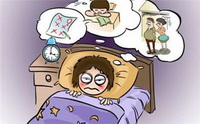
✵Causes of Insomnia in Middle-Aged Men: In addition to occupational stress during career plateaus, middle-aged and older men undergo critical physiological and psychological transitions—key contributors to insomnia in this demographic.
Second, insomnia in middle-aged men differs from that in younger individuals: while the latter is primarily driven by psychological burden, excessive rumination, or blood loss due to injury, stress—encompassing work-related, life-related, and emotional stressors—is a major contributing factor among middle-aged men. Chronic stress often manifests as diminished energy and impaired concentration at work.
Third, many middle-aged men are reluctant to acknowledge psychological distress due to concerns about appearance and social perception; they frequently lack effective self-regulation strategies. Consequently, insomnia remains underdiagnosed, allowing symptoms to progress and exacerbate sleep disruption.
Fourth, men undergoing andropause experience gradual declines in physical function and vitality. Reduced mental and physical resilience impairs their ability to cope with occupational and personal demands, thereby increasing psychological strain and predisposing them to insomnia. Psychological stressors—whether acute or chronic—further heighten susceptibility to insomnia episodes.
✵Twelve Self-Management Strategies for Insomnia in Men:
1. Install blackout curtains or use an eye mask to ensure complete darkness in the bedroom—this significantly enhances sleep onset and quality.
2. Maintain a cool sleeping environment: ideal bedroom temperature ranges from 17°C to 21°C. For reference, the U.S. President’s bedroom thermostat is reportedly set to 17°C. In contrast, many heated indoor spaces during winter exceed 23°C—a setting that is neither environmentally sustainable nor physiologically optimal.
3. Minimize electrical devices in the bedroom; avoid watching television before bed to reduce electromagnetic interference and visual stimulation.
4. Refrain from mentally demanding tasks or emotionally stimulating conversations prior to bedtime. Instead, engage in gentle, calming activities—such as restorative yoga or light stretching—to quiet the mind.
5. Maintain a consistent bedtime each night.
6. Avoid eating within 30 minutes of bedtime; limit fluid intake in the evening, and use the restroom before sleeping to minimize nocturnal awakenings.
7. Restrict caffeine consumption—including coffee, tea, cola, and chocolate—to before 5:00 PM.
8. If hungry at night, consume a small, easily digestible snack 1–2 hours before bed—for example, a glass of warm milk.
9. Take a warm bath or soak your feet in warm water before bed to promote systemic relaxation.
10. Engage in regular physical exercise; consistent activity is a well-established non-pharmacological intervention for insomnia.
11. Practice relaxation techniques daily, particularly diaphragmatic (abdominal) breathing and progressive muscle relaxation.
Insomnia Management in Women
In modern life, after a demanding day, many women continue ruminating before bed—rehearsing tomorrow’s tasks or replaying unresolved issues in disorganized thought patterns. This cognitive hyperarousal directly impedes sleep initiation. Instead, aim to complete work-related tasks at least one hour before bedtime and transition into relaxing rituals—such as listening to soothing music, reducing ambient light and noise, and cultivating consistent pre-sleep habits. Over time, the body learns to associate these cues with sleep onset (“Ah, it’s time to wind down”). Below are three evidence-informed relaxation techniques to help establish a personalized bedtime routine:
✵1. Progressive Muscle Relaxation: Begin by consciously tensing and then fully releasing major muscle groups—e.g., clench fists tightly for 5 seconds, then release for 15 seconds while noticing the contrast between tension and relaxation. Practice this slowly, with eyes closed, focusing on subtle bodily sensations. Daily repetition strengthens somatic awareness and facilitates deeper sleep.
✵2. Guided Imagery and Mindful Body Scan: Close your eyes, gently direct attention to your body’s center of gravity, and observe your natural heartbeat and breath rhythm. Gradually extend awareness to peripheral areas—hands, feet, shoulders—without judgment. Then visualize a peaceful, personally meaningful scene (e.g., a quiet forest or sunlit beach) to evoke calm.
✵3. Diaphragmatic Breathing: This technique activates the parasympathetic nervous system, lowering physiological arousal and stabilizing mood. Sit or lie comfortably, place one hand on your chest and the other on your abdomen. Inhale slowly through the nose—allowing the abdomen to rise while keeping the chest still—then exhale fully through the mouth. Breathe at a slow, smooth pace (e.g., 4-second inhale, 6-second exhale), focusing on abdominal movement. With practice, this regulates breathing depth and induces a relaxed, sleep-conducive state.

 Introduction: This article outlines the causes of insomnia and self-therapeutic approaches for men and women separately. Given the variety of factors contributing to insomnia, several healthy and evidence-based methods and improvement strategies are proposed.
 ✵Men may experience sleep disruption after consuming spicy food: Experts note that spicy food can interfere with sleep. While spicy foods offer multiple health benefits—such as promoting qi circulation, invigorating blood, relieving qi and blood stagnation, enhancing blood circulation and metabolism, stimulating gastrointestinal peristalsis, increasing digestive juice secretion, boosting appetite, dispelling wind, and dispersing cold—they may also impair sleep quality.
 Chronic sleep deprivation poses serious health risks. Prolonged insomnia leads to significant cognitive and physiological impairments, including visual disturbances, perceptual distortions (e.g., illusions), weakened immune function, impaired digestion, reduced sexual function, memory decline, mood instability (e.g., irritability), personality changes, hypertension, coronary heart disease, stroke, diabetes, and—in women—dry skin and menstrual irregularities. The adverse effects of insomnia must not be underestimated. Treatment of insomnia and related conditions such as neurasthenia should not rely solely on pharmacotherapy; instead, lifestyle modifications and psychological stress reduction are essential. Individuals with insomnia should avoid stimulating activities (e.g., intense entertainment) before bedtime, refrain from alcohol, coffee, strong tea, and other stimulants, and instead drink a glass of warm milk and take a relaxing hot bath. Regular daily physical exercise also helps prevent insomnia. Additionally, complementary approaches—including acupoint stimulation devices (e.g., magnetic wristbands designed for hypertension management) may be considered. These devices utilize low-intensity static magnetic fields to stimulate specific acupoints around the wrist joint, thereby modulating autonomic nervous system activity—particularly the sympathetic and parasympathetic branches—and promoting peripheral capillary dilation, reducing vascular resistance, alleviating microvascular spasm, and exerting regulatory effects on insomnia- and hypertension-related neural dysfunction. Such devices are simple to use and suitable for long-term application.
 ✵Causes of Insomnia in Middle-Aged Men: In addition to occupational stress during career plateaus, middle-aged and older men undergo critical physiological and psychological transitions—key contributors to insomnia in this demographic.
 In modern life, after a demanding day, many women continue ruminating before bed—rehearsing tomorrow’s tasks or replaying unresolved issues in disorganized thought patterns. This cognitive hyperarousal directly impedes sleep initiation. Instead, aim to complete work-related tasks at least one hour before bedtime and transition into relaxing rituals—such as listening to soothing music, reducing ambient light and noise, and cultivating consistent pre-sleep habits. Over time, the body learns to associate these cues with sleep onset (“Ah, it’s time to wind down”). Below are three evidence-informed relaxation techniques to help establish a personalized bedtime routine:
