Health Preservation in Routine Daily Lives 17 to 37.
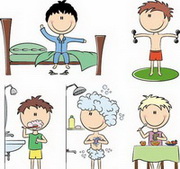
✵Health preservation tips for daily life are introduced: the harms of staying up late frequently; the causes of sudden muscle twitches during sleep; changing clothes before bed; optimal pillow height; the healthiest sleeping position; the benefits of going to bed early and rising early; maintenance methods before and after sleep; the benefits of brushing your teeth before bed; the benefits of washing your face with diluted white vinegar; the health benefits of sleeping naked; the effectiveness of a bedtime walk; drinking water before bed to help prevent cardiovascular disease; how to manage skin allergies; why you should not make your bed immediately after waking up; morning exercises upon waking; drinking a glass of water in the morning; the best time and precautions for morning exercise; soaking your feet in saline water; causes and self-management strategies for insomnia; the health benefits of moderate sexual activity; and the benefits of napping.
Occasional late nights are unavoidable in modern life—whether to finish a favorite TV series, play video games, or meet work deadlines. However, frequent or prolonged sleep loss exacts a serious toll on physical and mental health. So, what are the health consequences of regularly staying up late?
The cause of sudden twitches during sleep and effective ways to prevent them.
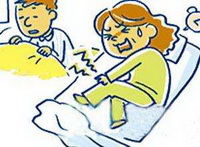
People spend about one-third of their lives asleep, and many behaviors that do not occur while awake happen during this process. Sleep-related twitches are more common in younger individuals but may appear more pronounced or atypical in older adults. Unlike pathological muscle jerks, these twitches typically lack an obvious underlying cause and carry no serious consequences.
You need to change clothes before going to bed.
Besides clothing, the bed is the household item with which our skin has the most intimate contact. While clothes can be changed daily, bed sheets are not replaced as frequently. Therefore, changing clothes before bedtime helps reduce cross-contamination and is a sound practice for health and hygiene.
Pillow height: Is a higher or lower pillow better?
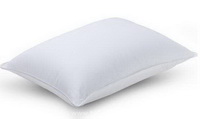
Choosing a pillow suited to your body type and sleeping position not only helps you sleep comfortably but also prevents various health issues caused by improper pillow support. It is a beneficial habit for improving sleep quality and maintaining overall health.
What is the healthiest sleeping position?
Good sleep habits and a healthy sleeping posture can not only improve sleep quality and enhance blood circulation but also help prevent various potential diseases and promote overall physical health.
The benefits of going to bed early and getting up early.
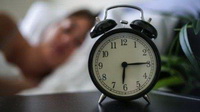
"Work at sunrise and rest at sunset" is the most primitive way of work and rest. Normal sleep can provide the human body with sufficient hematopoietic time, which is the most basic and indispensable healthy habit for health maintenance.
Pay attention to sleep hygiene practices before and after sleep.
Sleeping well means practicing good sleep hygiene, which is an important part of daily health regimen. It includes the following three parts.
The Benefits of Brushing Your Teeth Before Bed
Brush your teeth for two minutes, ideally 30 minutes before going to bed, to remove food debris and oral bacteria accumulated throughout the day. This helps maintain overnight oral hygiene and prevents dental caries and periodontal disease. Nighttime brushing is even more important than morning brushing.
What Are the Benefits of Washing Your Face with White Vinegar? And How to Use It Correctly
Vinegar is a common, affordable condiment—and also a natural skincare aid. Diluted white vinegar possesses antibacterial, skin-brightening, and mild exfoliating properties, making it beneficial for acne-prone skin.
Sleeping naked is good for your health.
Not only does sleeping naked free your body, but it also allows your skin to breathe freely and promotes metabolism—a healthy and enjoyable way to stay fit.
A bedtime walk works well.
Taking a walk before bed not only helps you maintain daily physical activity, enhance cognitive function, and breathe fresh air—but also effectively promotes sleep and strengthens the body. It is a simple, accessible, and longevity-supporting habit.
Drink water before bed to ward off cardiovascular disease.
Drink a few glasses of water slowly one hour before sleeping. This not only supplies the moisture that the body loses during sleep but also helps prevent diseases such as cerebral thrombosis, coronary heart disease, myocardial infarction, and stroke.
Managing skin allergies
Skin manifestations such as redness, swelling, acne-like eruptions, or fissured skin are often colloquially termed “skin allergy.” Medically, these conditions fall under “contact dermatitis.”, contact dermatitis is relatively common; some individuals react not due to true allergy, but because impaired skin barrier function compromises normal cutaneous defense and homeostasis.
Don’t rush to make your bed when you wake up.
Do not fold the quilt immediately after getting up in the morning. Leaving it unfolded allows moisture from the air to dissipate and prevents mites from thriving—many eventually die of dehydration. However, airing the quilt in direct sunlight is a healthier and more hygienic practice.
Wake up and do some wake-up exercises.
After waking from sleep in the morning, lie still for a few minutes and perform gentle wake-up health routines. This helps synchronize bodily functions with conscious awareness, promotes physical fitness and well-being, and sets a positive tone for the day.
A glass of water in the morning.
Wash your face early in the morning after brushing your teeth; drink a cup of water 15–30 minutes before breakfast to supply hydration and dilute blood concentration. This habit can help prevent disease and improve appearance—it is a beneficial practice that supports longevity.
The Optimal Timing and Precautions for Morning Exercise.
Morning exercise is a time-honored physical practice. Choosing an appropriate location and time for aerobic morning activity not only boosts vitality but also enhances overall health—making it a uniquely energizing and beneficial habit.
The benefits of soaking your feet in saline water, the effects of soaking your feet in saline water, and contraindications.
This article provides a detailed overview of the benefits of saltwater foot baths, contraindications (i.e., “foot bath taboos”), key precautions to observe, common misconceptions about foot bathing, and related knowledge.
Causes and Self-Therapy of Insomnia in Men and Women
Introduces the causes of insomnia and self-therapeutic approaches for men and women separately. Given the variety of factors contributing to insomnia, several healthy and evidence-based methods and improvement strategies are proposed.
Proper sexual activity is good for your health.
Sexual desire is a normal physiological need for everyone; neither should it be excessively suppressed nor indulged in excessively. A moderate sexual life benefits both physical and mental health and also fosters emotional intimacy between partners.
he Benefits of Napping and the Best Time to Take a Nap
Napping is also a natural physiological need for humans. It not only helps avoid the afternoon summer heat and compensates for lost sleep, but also delays aging, boosts immunity, and serves as a powerful tool for health preservation.

 ✵Health preservation tips for daily life are introduced: the harms of staying up late frequently; the causes of sudden muscle twitches during sleep; changing clothes before bed; optimal pillow height; the healthiest sleeping position; the benefits of going to bed early and rising early; maintenance methods before and after sleep; the benefits of brushing your teeth before bed; the benefits of washing your face with diluted white vinegar; the health benefits of sleeping naked; the effectiveness of a bedtime walk; drinking water before bed to help prevent cardiovascular disease; how to manage skin allergies; why you should not make your bed immediately after waking up; morning exercises upon waking; drinking a glass of water in the morning; the best time and precautions for morning exercise; soaking your feet in saline water; causes and self-management strategies for insomnia; the health benefits of moderate sexual activity; and the benefits of napping.
 Occasional late nights are unavoidable in modern life—whether to finish a favorite TV series, play video games, or meet work deadlines. However, frequent or prolonged sleep loss exacts a serious toll on physical and mental health. So, what are the health consequences of regularly staying up late?
 People spend about one-third of their lives asleep, and many behaviors that do not occur while awake happen during this process. Sleep-related twitches are more common in younger individuals but may appear more pronounced or atypical in older adults. Unlike pathological muscle jerks, these twitches typically lack an obvious underlying cause and carry no serious consequences.
 Besides clothing, the bed is the household item with which our skin has the most intimate contact. While clothes can be changed daily, bed sheets are not replaced as frequently. Therefore, changing clothes before bedtime helps reduce cross-contamination and is a sound practice for health and hygiene.
 Choosing a pillow suited to your body type and sleeping position not only helps you sleep comfortably but also prevents various health issues caused by improper pillow support. It is a beneficial habit for improving sleep quality and maintaining overall health.
 Good sleep habits and a healthy sleeping posture can not only improve sleep quality and enhance blood circulation but also help prevent various potential diseases and promote overall physical health.
 "Work at sunrise and rest at sunset" is the most primitive way of work and rest. Normal sleep can provide the human body with sufficient hematopoietic time, which is the most basic and indispensable healthy habit for health maintenance.
 Sleeping well means practicing good sleep hygiene, which is an important part of daily health regimen. It includes the following three parts.
 Brush your teeth for two minutes, ideally 30 minutes before going to bed, to remove food debris and oral bacteria accumulated throughout the day. This helps maintain overnight oral hygiene and prevents dental caries and periodontal disease. Nighttime brushing is even more important than morning brushing.
 Vinegar is a common, affordable condiment—and also a natural skincare aid. Diluted white vinegar possesses antibacterial, skin-brightening, and mild exfoliating properties, making it beneficial for acne-prone skin.
 Not only does sleeping naked free your body, but it also allows your skin to breathe freely and promotes metabolism—a healthy and enjoyable way to stay fit.
 Taking a walk before bed not only helps you maintain daily physical activity, enhance cognitive function, and breathe fresh air—but also effectively promotes sleep and strengthens the body. It is a simple, accessible, and longevity-supporting habit.
 Drink a few glasses of water slowly one hour before sleeping. This not only supplies the moisture that the body loses during sleep but also helps prevent diseases such as cerebral thrombosis, coronary heart disease, myocardial infarction, and stroke.
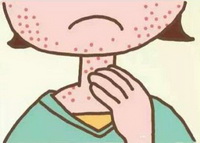 Skin manifestations such as redness, swelling, acne-like eruptions, or fissured skin are often colloquially termed “skin allergy.” Medically, these conditions fall under “contact dermatitis.”, contact dermatitis is relatively common; some individuals react not due to true allergy, but because impaired skin barrier function compromises normal cutaneous defense and homeostasis.
 Do not fold the quilt immediately after getting up in the morning. Leaving it unfolded allows moisture from the air to dissipate and prevents mites from thriving—many eventually die of dehydration. However, airing the quilt in direct sunlight is a healthier and more hygienic practice.
 After waking from sleep in the morning, lie still for a few minutes and perform gentle wake-up health routines. This helps synchronize bodily functions with conscious awareness, promotes physical fitness and well-being, and sets a positive tone for the day.
 Wash your face early in the morning after brushing your teeth; drink a cup of water 15–30 minutes before breakfast to supply hydration and dilute blood concentration. This habit can help prevent disease and improve appearance—it is a beneficial practice that supports longevity.
 Morning exercise is a time-honored physical practice. Choosing an appropriate location and time for aerobic morning activity not only boosts vitality but also enhances overall health—making it a uniquely energizing and beneficial habit.
 This article provides a detailed overview of the benefits of saltwater foot baths, contraindications (i.e., “foot bath taboos”), key precautions to observe, common misconceptions about foot bathing, and related knowledge.
 Introduces the causes of insomnia and self-therapeutic approaches for men and women separately. Given the variety of factors contributing to insomnia, several healthy and evidence-based methods and improvement strategies are proposed.
 Sexual desire is a normal physiological need for everyone; neither should it be excessively suppressed nor indulged in excessively. A moderate sexual life benefits both physical and mental health and also fosters emotional intimacy between partners.
 Napping is also a natural physiological need for humans. It not only helps avoid the afternoon summer heat and compensates for lost sleep, but also delays aging, boosts immunity, and serves as a powerful tool for health preservation.