Effective Ways to Lower Blood Pressure and Beneficial Foods for Hypertension Management
Introduction
Introduction: This article details the five primary causes of hypertension and recommends evidence-informed strategies for blood pressure reduction—including lifestyle modifications, dietary approaches, and complementary non-pharmacological interventions.
Hypertension: The etiology of refractory hypertension is multifactorial; evaluation should address the following key contributors:
✵(1) Unhealthy diet: Some cases of hypertension are directly linked to poor dietary habits. After diagnosis, many patients neglect dietary control—for example, consuming excessive salt, sugar, saturated fats, alcohol, and organ meats—thereby accelerating atherosclerosis, impairing vascular elasticity, and promoting vasoconstriction. These changes elevate blood pressure and reduce the efficacy of antihypertensive medications.
✵(2) Suboptimal pharmacotherapy: Monotherapy—relying on a single antihypertensive agent—often fails to achieve adequate blood pressure control. Comprehensive, individualized combination therapy is frequently required. Moreover, treatment adherence is critical: patients must avoid discontinuing medication prematurely upon symptom improvement or abandoning therapy due to delayed response. Individuals with refractory hypertension typically require lifelong pharmacologic management.
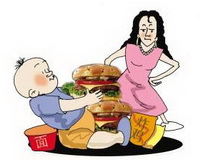
✵(3) Inadequate weight management: In obesity-related hypertension, blood pressure levels correlate strongly with body mass index (BMI). Relying solely on antihypertensive drugs without concurrent weight loss yields suboptimal results. Therefore, sustained weight reduction remains an essential component of management for this patient group.
✵(4) Chronic psychological stress: Emotional instability and persistent mental strain activate the sympathetic nervous system, increasing circulating catecholamines and inducing sustained peripheral vasoconstriction—leading to elevated and treatment-resistant blood pressure. Accordingly, hypertensive patients should practice self-regulation techniques, maintain positive emotional well-being, and actively manage irritability and anxiety.
✵(5) Physical inactivity: A sedentary lifestyle—characterized by minimal daily movement, excessive rest, and irregular sleep-wake patterns—compromises cardiovascular regulation. Patients who rely exclusively on medication without incorporating regular exercise often experience persistent, uncontrolled hypertension. Thus, structured physical activity is strongly recommended: it lowers blood pressure, aids weight control, improves autonomic balance, and alleviates psychological tension.
Evidence-Based Lifestyle Strategies and Dietary Recommendations for Blood Pressure Control
Hypertension is a highly prevalent chronic condition—particularly among older adults—and poses significant risks for cardiovascular morbidity and mortality. So, what constitutes an effective, sustainable approach to lowering blood pressure? As the adage goes, “Prevention is the best cure.” Indeed, numerous non-pharmacologic interventions demonstrate robust, clinically meaningful effects. Beyond medication, eight practical, research-supported habits can significantly improve blood pressure control in daily life:
✵1. Pause and breathe: Acute stress—such as from unexpected deadlines—can trigger rapid blood pressure spikes. A study from the University of California suggests that intentionally pausing tasks and engaging in mindful breathing helps restore autonomic balance.
✵2. Walk briskly: Research shows that brisk walking reduces systolic blood pressure by 8 mm Hg and diastolic blood pressure by 6 mm Hg—outperforming running in some trials. Aim for 30 minutes daily, at least five days per week.
✵3. Close your eyes and relax: Constant exposure to digital screens, print media, and information overload overstimulates the central nervous system. Brief periods of sensory withdrawal—closing the eyes, practicing slow diaphragmatic breathing—effectively dampen the stress response and stabilize both blood pressure and heart rate.
✵4. Listen to calming music: A randomized trial conducted at the University of Florence (Italy) found that daily 30-minute exposure to soothing auditory stimuli—including classical music, piano compositions, and nature sounds—lowers systolic blood pressure by 3.2 mm Hg. With one month of consistent practice, average reduction reaches 4.4 mm Hg.
✵5. Address snoring and sleep-disordered breathing: Investigators at the University of Alabama discovered that obstructive sleep apnea is associated with elevated aldosterone levels—a key contributor to hypertension. Clinicians recommend prompt evaluation and treatment of habitual snoring and suspected sleep apnea to support blood pressure control.
✵6. Increase potassium-rich foods: Potassium counterbalances sodium’s hypertensive effects. Include potassium-dense foods such as potatoes, bananas, kidney beans, peas, cantaloupe, and raisins regularly. As noted by Dr. Linda Van Horn, Professor of Preventive Medicine at Northwestern University Feinberg School of Medicine, dietary potassium is a cornerstone of non-pharmacologic hypertension management.
✵7. Drink small amounts of alcohol: A study by Harvard Medical School found that people who drank small amounts of alcohol maintained their blood pressure better than those who did not drink at all. Women are advised to drink no more than one standard drink per day (the equivalent of 340 mL of beer, 142 mL of red wine, or 42.5 mL of white wine), and men no more than two standard drinks per day.
✵8. Switch to decaffeinated coffee: Many people cannot live without the strong taste of coffee, but 500 mg of caffeine—the equivalent of three large cups—can raise blood pressure by 4 mm Hg. Switching to decaffeinated coffee is a good option.
Six Effective Ways to Lower Blood Pressure
Hypertension is a widely recognized condition. Its prevalence is increasing annually in many countries, and the onset age is becoming younger. In some major cities, one in two adults aged 50 has high blood pressure. The average daily oil intake in some major cities exceeds 50 g, whereas dietary guidelines for Chinese residents recommend 25–30 g per day. The average daily salt intake exceeds 13 g, while the guidelines recommend no more than 6 g per day.
Looking at these data, we can understand why the number of hypertension patients is rising year by year: excessive salt and oil intake are among the key contributing factors. Some elderly women also suffer from hypertension. Their high blood pressure often manifests acutely—sometimes in the morning, they experience palpitations, dizziness, and unsteadiness. Many hypertensive patients have experienced such symptoms. Even some patients take multiple antihypertensive medications, yet their blood pressure remains uncontrolled. Why?
✵1. Eat regular, smaller meals: Currently, hypertension occurs more frequently among older adults and individuals with obesity. Avoid overeating at each meal. Eating smaller, more frequent meals reduces gastrointestinal burden and helps maintain weight within the ideal range—beneficial for both blood pressure control and lipid management.
✵2. Choose calcium-rich foods: Calcium-rich foods help protect blood vessels and exert a mild antihypertensive effect. Examples include dairy products, soy products, and seafood.
✵3. Follow a light, low-salt diet: This is a critical principle for hypertensive patients. Extensive scientific evidence shows that high salt intake is a major risk factor for hypertension; the higher the sodium intake, the greater the incidence. Excess sodium ions cause water and sodium retention, leading to increased intravascular volume, elevated peripheral vascular resistance, and consequently higher blood pressure. Simultaneously, this increases renal excretory load. Therefore, a light, low-salt diet should be the cornerstone of hypertension management.
✵4. Increase dietary fiber intake: Sweet potatoes, vegetables, and fruits are rich in dietary fiber. Sweet potatoes promote gastrointestinal motility and facilitate cholesterol excretion. Vegetables and fruits, rich in vitamin C and beta-carotene, support cardiac function and improve circulation. Additionally, reducing intake of sucrose and fructose helps prevent elevated blood lipids.
✵5. Eat more fish: Hypertensive individuals should reduce salt intake and increase fish consumption. Epidemiological data suggest that coastal fishermen—who regularly consume fish rich in protein, potassium, and calcium—tend to have stronger, more elastic blood vessels and lower risk of rupture. Moreover, potassium- and calcium-rich foods aid in lowering blood pressure.
✵6. Drink water upon waking: Water is essential for life—especially for older adults, as cellular moisture declines physiologically with age, resulting in dry skin, wrinkles, and other signs of aging. After a night’s sleep, blood viscosity may increase; timely hydration upon waking effectively dilutes the blood and helps prevent vascular obstruction.

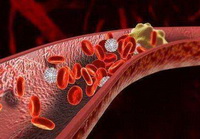 Introduction: This article details the five primary causes of hypertension and recommends evidence-informed strategies for blood pressure reduction—including lifestyle modifications, dietary approaches, and complementary non-pharmacological interventions.
 ✵(3) Inadequate weight management: In obesity-related hypertension, blood pressure levels correlate strongly with body mass index (BMI). Relying solely on antihypertensive drugs without concurrent weight loss yields suboptimal results. Therefore, sustained weight reduction remains an essential component of management for this patient group.
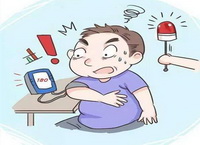 Hypertension is a highly prevalent chronic condition—particularly among older adults—and poses significant risks for cardiovascular morbidity and mortality. So, what constitutes an effective, sustainable approach to lowering blood pressure? As the adage goes, “Prevention is the best cure.” Indeed, numerous non-pharmacologic interventions demonstrate robust, clinically meaningful effects. Beyond medication, eight practical, research-supported habits can significantly improve blood pressure control in daily life:
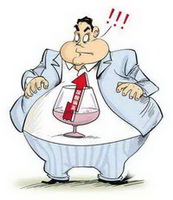 Hypertension is a widely recognized condition. Its prevalence is increasing annually in many countries, and the onset age is becoming younger. In some major cities, one in two adults aged 50 has high blood pressure. The average daily oil intake in some major cities exceeds 50 g, whereas dietary guidelines for Chinese residents recommend 25–30 g per day. The average daily salt intake exceeds 13 g, while the guidelines recommend no more than 6 g per day.
 ✵4. Increase dietary fiber intake: Sweet potatoes, vegetables, and fruits are rich in dietary fiber. Sweet potatoes promote gastrointestinal motility and facilitate cholesterol excretion. Vegetables and fruits, rich in vitamin C and beta-carotene, support cardiac function and improve circulation. Additionally, reducing intake of sucrose and fructose helps prevent elevated blood lipids.
