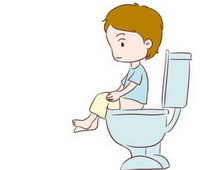
Introduction: Defecation and food intake are both innate physiological processes. The correct defecation method supports bowel and anal health and is highly effective in preventing hemorrhoids.
Ancient and Modern Insights: Traditional Chinese medicine describes the normal defecation frequency for healthy individuals: “The stomach is the sea of water and grain; it readily accepts new food daily—defecating once per day represents the standard of normal health.” As the saying goes, “Nine out of ten men suffer from hemorrhoids,” reflecting the high prevalence of this condition. Besides constipation caused by dietary habits, several unhealthy defecation practices also contribute to hemorrhoid development.
Regular Defecation
The optimal time for defecation is shortly before or after breakfast, as this aligns with the body’s natural physiology. For instance, food intake stimulates gastrointestinal peristalsis; this gastrocolic reflex often triggers the urge to defecate. Thus, approximately 20 minutes after breakfast is ideal. Additionally, assuming an upright posture upon waking can stimulate colonic motility—explaining why many people feel the need to use the restroom immediately after rising. This habit benefits anal health and overall physical well-being.
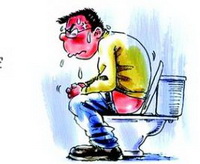
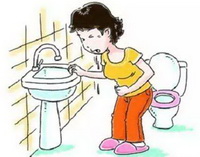
The rectum stores feces and absorbs moisture from them. The longer feces remain in the rectum, the drier and harder they become, making evacuation more difficult and increasing intrarectal pressure. Prolonged straining and increased pressure can worsen hemorrhoids. Therefore, make a conscious effort to maintain regular daily bowel movements. Prolonged squatting or straining during defecation is harmful: the squatting position impedes venous return from the anal region, and extended straining may aggravate venous congestion and promote hemorrhoid formation or prolapse. Individuals who habitually read books or newspapers while defecating are at significantly higher risk of developing hemorrhoids. During defecation, aim for efficiency—ideally completing the process within 5–10 minutes.
Minimal straining, shortest duration, unobstructed evacuation, and a relaxed feeling afterward constitute the optimal defecation state.
Defecate 1–2 times daily. Follow the natural rhythm of the defecation process: after completing one evacuation, rest quietly for a short while; wait for stool to descend from the upper rectum before initiating the next attempt. Then gradually increase abdominal pressure—using gentle, controlled effort—to facilitate complete evacuation. Do not forcefully strain between attempts, as this may cause anal trauma, sphincter weakness, or even rectal prolapse. The actual active phase of defecation is extremely brief—each contraction lasts only a few seconds; two or three such efforts typically require no more than one minute total.
When the defecation force is too intense, it may cause injury to the anus. Force should be increased gradually. Homeopathic remedies help promote bowel movement. If squatting on the toilet lasts longer than 3–5 minutes without producing the urge to defecate, the attempt should be ended. This is a time for concentration—do not read books or newspapers, nor talk or think. Avoid developing the habit of prolonged sitting or squatting on the toilet. Use soft toilet paper and wipe the anal area thoroughly after defecation. When rising after defecation, raise the hips first, then slowly straighten the waist before standing fully, to prevent dizziness or even fainting upon upright posture.
Benefits of Regular Bowel Movements
✵1. Gastrointestinal Cleansing: Develop the habit of daily regular defecation to prevent fecal retention overnight, thereby maintaining gastrointestinal cleanliness. Stools should not be excessively dry or hardened; using proper straining technique (e.g., coordinated abdominal and pelvic floor effort) facilitates complete and comfortable evacuation.
✵2. Hemorrhoid Prevention: Studies show that prolonged defecation time is associated with a higher incidence of hemorrhoids. Excessive straining increases intra-abdominal pressure for longer durations, causing venous congestion in the anal region; even small hemorrhoidal tissue may become progressively engorged and enlarged, worsening symptoms and potentially leading to prolapse and impaired reduction. Adopting evidence-based defecation practices—such as avoiding excessive straining and maintaining a balanced, fiber-rich diet—can significantly reduce the risk of hemorrhoids.
✵Analysis Tips: Normal stool is yellowish-brown, formed, moderately moist, and accompanied by comfort after defecation. Loose stools that are watery and contain undigested food—or stools that are thin, yellowish, foul-smelling, and watery—suggest heat-type diarrhea. Pale or clay-colored stools indicate spleen deficiency or obstructive jaundice. Dry, hard stools suggest excess heat; pellet-like, sheep-dung-shaped stools with difficulty in passage or infrequent, painful defecation indicate Yin-blood deficiency. Jelly-like stools mixed with pus and blood, accompanied by abdominal pain and tenesmus, suggest dysentery. Tar-black stools indicate upper gastrointestinal bleeding. Green stools in children most commonly reflect transient digestive immaturity or mild malabsorption. Blood accompanying stool presents in two patterns: bright red blood preceding stool indicates “proximal” (lower gastrointestinal or anorectal) bleeding—commonly seen in hemorrhoids; whereas blood appearing after stool, with darker (burgundy or maroon) color, suggests “distal” (upper gastrointestinal) bleeding—often associated with gastric or duodenal lesions.

 Introduction: Defecation and food intake are both innate physiological processes. The correct defecation method supports bowel and anal health and is highly effective in preventing hemorrhoids.
 The optimal time for defecation is shortly before or after breakfast, as this aligns with the body’s natural physiology. For instance, food intake stimulates gastrointestinal peristalsis; this gastrocolic reflex often triggers the urge to defecate. Thus, approximately 20 minutes after breakfast is ideal. Additionally, assuming an upright posture upon waking can stimulate colonic motility—explaining why many people feel the need to use the restroom immediately after rising. This habit benefits anal health and overall physical well-being.
 The rectum stores feces and absorbs moisture from them. The longer feces remain in the rectum, the drier and harder they become, making evacuation more difficult and increasing intrarectal pressure. Prolonged straining and increased pressure can worsen hemorrhoids. Therefore, make a conscious effort to maintain regular daily bowel movements. Prolonged squatting or straining during defecation is harmful: the squatting position impedes venous return from the anal region, and extended straining may aggravate venous congestion and promote hemorrhoid formation or prolapse. Individuals who habitually read books or newspapers while defecating are at significantly higher risk of developing hemorrhoids. During defecation, aim for efficiency—ideally completing the process within 5–10 minutes.
 Minimal straining, shortest duration, unobstructed evacuation, and a relaxed feeling afterward constitute the optimal defecation state.
 ✵1. Gastrointestinal Cleansing: Develop the habit of daily regular defecation to prevent fecal retention overnight, thereby maintaining gastrointestinal cleanliness. Stools should not be excessively dry or hardened; using proper straining technique (e.g., coordinated abdominal and pelvic floor effort) facilitates complete and comfortable evacuation.
