Introduction: Defecation is a primary excretory function of the human body. Timely elimination of feces not only expels metabolic waste and toxins but also prevents their reabsorption—making it an essential physiological process for maintaining health and supporting healthy aging.
Wang Chong of the Han Dynasty stated in Lunheng (On Balance): “To aspire to longevity, clear turbidity from the intestines; to desire long life, leave no residue therein.” Intestinal residue must be cleared continuously and expelled from the body to avoid autointoxication and ensure normal physiological function.
How to Relieve Constipation
Like suppressing urination, suppressing defecation is a common occurrence—sometimes due to situational inconvenience, and sometimes unintentionally, as in cases of constipation where the urge is present but evacuation fails. Regardless of the cause, prompt and safe removal of fecal matter is essential. Severe constipation may require emergency interventions such as glycerin suppositories or enemas—but reliance on stimulant laxatives must be avoided.
✵How to relieve constipation:
Evidence-Based Strategies to Relieve Constipation:
(1) Increase fluid intake: Adequate hydration lubricates the gastrointestinal tract and softens stool, preventing excessive dryness and hardening. Drinking warm water upon waking is particularly effective.
(2) Consume more dietary fiber: Fiber promotes colonic motility and aids toxin elimination. Include ample fruits, vegetables, legumes, and whole grains—consistent intake supports regular bowel movements.
(3) Engage in moderate physical activity: Regular exercise (e.g., brisk walking, yoga, or abdominal breathing) stimulates intestinal peristalsis.
(4) Establish a routine for defecation: Train the body’s natural defecation reflex—ideally at consistent times each day, such as after breakfast or upon waking.
(5) Manage stress and encourage laughter: Fear or anxiety inhibits gut motility (via sympathetic dominance), causing dry mouth, tachycardia, and intestinal stasis. Laughter induces gentle abdominal oscillation, providing mild visceral massage and enhancing digestion—potentially improving bowel function within 24–48 hours.
(6) Use gentle, natural stool softeners: Options include konjac glucomannan, probiotic-rich yogurt, raw honey (for adults), bee pollen, and evidence-supported traditional Chinese herbal formulas (e.g., Ma Zi Ren Wan).
(7) Review medications carefully: Several drugs—including calcium supplements, certain antihypertensives (e.g., calcium channel blockers), antidepressants (e.g., SSRIs, TCAs), muscle relaxants, and opioids—can induce or worsen constipation. Long-term use of stimulant laxatives may impair intrinsic colonic motility.
(8) Adopt smaller, more frequent meals: Individuals with spastic colon (irritable bowel syndrome with constipation-predominant pattern) should avoid large meals, which distend the digestive tract and exacerbate symptoms.
(9) Avoid excessive straining during defecation: Forced evacuation increases pelvic floor pressure, raising risks of hemorrhoids, anal fissures, and even cardiovascular strain (e.g., transient hypertension, bradycardia). Straining against a narrowed anal canal further aggravates constipation.
(10) Consider adjunctive therapies: Abdominal massage (clockwise, gentle pressure) and acupuncture—targeting points such as Tianshu (ST25), Zusanli (ST36), or Quchi (LI11)—may support bowel regulation.
Seven Benefits of Regular Defecation
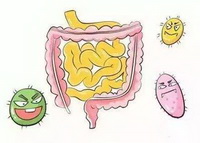
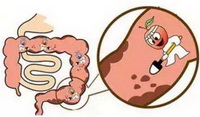
1. Timely detoxification: Feces contain metabolic byproducts—including ammonia, hydrogen sulfide, indoles—and pathogenic microbes (e.g., Escherichia coli, Pseudomonas aeruginosa, Clostridium tetani, spirochetes, fungi) as well as parasitic ova (e.g., Ascaris lumbricoides, Enterobius vermicularis). Regular evacuation eliminates these harmful substances efficiently.
✵2. Gastrointestinal health: Consistent defecation helps preserve intestinal microbiota balance and prevents disorders linked to dysbiosis—including constipation, anal fissures, hemorrhoids, and, over time, colorectal cancer.
✵3. Enhanced mental and physical relaxation: Unrelieved constipation contributes to autonomic dysregulation—especially dangerous for hypertensive individuals, who risk cerebral hemorrhage during Valsalva-like straining. Many report headache, diaphoresis, irritability, and fatigue after stool retention—signs of ignored physiological signals.
✵4. Uterine health: Chronic rectal distension displaces the cervix anteriorly and tilts the uterus retrovertedly. This compresses venous return through the broad ligament, causing uterine congestion, loss of tissue elasticity, persistent retroversion, sacral pain, low backache, and menstrual irregularities.
✵5. Reduced breast cancer risk: Research suggests chronic constipation alters gut flora composition, increasing populations of bacteria that produce estrogen-mimicking metabolites (e.g., β-glucuronidase-active strains). These compounds undergo enterohepatic recirculation and may exert proliferative effects on breast tissue. A statistically significant proportion of women diagnosed with breast cancer report a history of chronic constipation.
✵6. Prevent dementia: Approximately 80% of elderly individuals with chronic constipation are at increased risk of developing Alzheimer’s disease. Long-term constipation can lead to loss of appetite, dizziness, headache, fatigue, insomnia, irritability, anxiety, and left lower abdominal pressure and distension. In severe cases, it may cause fear of defecation or psychological abnormalities.
✵7. Reproductive health: Chronic constipation often requires prolonged straining during defecation, leading to rectal fatigue, excessive anal sphincter contraction, and spastic pelvic floor contraction—resulting in ejaculatory dysfunction, decreased libido, anorgasmia, and overall sexual dysfunction.
✵Tips: Many weight-loss teas currently available on the market contain laxative ingredients (e.g., senna leaf). Consumers should carefully read product labels and instructions.

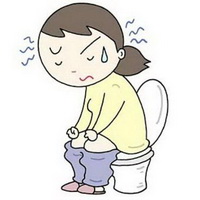 Introduction: Defecation is a primary excretory function of the human body. Timely elimination of feces not only expels metabolic waste and toxins but also prevents their reabsorption—making it an essential physiological process for maintaining health and supporting healthy aging.
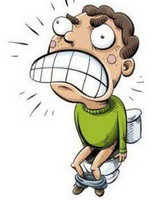 Like suppressing urination, suppressing defecation is a common occurrence—sometimes due to situational inconvenience, and sometimes unintentionally, as in cases of constipation where the urge is present but evacuation fails. Regardless of the cause, prompt and safe removal of fecal matter is essential. Severe constipation may require emergency interventions such as glycerin suppositories or enemas—but reliance on stimulant laxatives must be avoided.
 ✵How to relieve constipation:
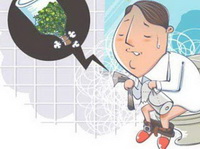 (5) Manage stress and encourage laughter: Fear or anxiety inhibits gut motility (via sympathetic dominance), causing dry mouth, tachycardia, and intestinal stasis. Laughter induces gentle abdominal oscillation, providing mild visceral massage and enhancing digestion—potentially improving bowel function within 24–48 hours.
 1. Timely detoxification: Feces contain metabolic byproducts—including ammonia, hydrogen sulfide, indoles—and pathogenic microbes (e.g., Escherichia coli, Pseudomonas aeruginosa, Clostridium tetani, spirochetes, fungi) as well as parasitic ova (e.g., Ascaris lumbricoides, Enterobius vermicularis). Regular evacuation eliminates these harmful substances efficiently.
 ✵5. Reduced breast cancer risk: Research suggests chronic constipation alters gut flora composition, increasing populations of bacteria that produce estrogen-mimicking metabolites (e.g., β-glucuronidase-active strains). These compounds undergo enterohepatic recirculation and may exert proliferative effects on breast tissue. A statistically significant proportion of women diagnosed with breast cancer report a history of chronic constipation.
