Introduction: Here are some practical, evidence-informed health preservation tips for daily life—simple, memorable, and scientifically supported:
• Taking more vitamin C is not always better.
• Physical activity helps prevent arterial hardening.
• Coffee consumption may protect the liver in individuals with heavy alcohol use.
• Orange peel may help lower cholesterol.
• Seafood consumption may reduce the risk of neonatal asthma.
• Learning an additional language may slow cognitive aging.
• Regular, appropriate exercise is key to longevity.
• Drinking black tea may improve coronary blood flow.
• Calcium supplementation may help prevent colon polyp proliferation.
• Mental calmness can aid in managing hypertension.
• Excessive television viewing in childhood may adversely affect adult health.
• Increased vegetable intake may delay the onset of Alzheimer’s disease.
Tip 01: Taking More Vitamin C Is Not Always Better
As an essential nutrient for the human body, the recommended daily intake of vitamin C is at least 90 mg for men and 75 mg for women. Beyond this baseline, moderate vitamin C supplementation may help prevent arthritis—but is more always better? Scientists in North Carolina found that long-term excessive vitamin C intake is unlikely to provide additional benefit and may actually worsen arthritis symptoms. Moreover, excessive vitamin C consumption can cause diarrhea, electrolyte imbalance, kidney stones, and other adverse effects. Thus, “more is better” is not a valid principle for vitamin C supplementation.
Tip 02: Physical Activity Helps Prevent Arterial Hardening
This pathological process may begin early in life. Australian researchers found that obese adolescents are more likely than their normal-weight peers to develop arteriosclerosis—evidenced by impaired arterial intima diastolic function. Fortunately, this dysfunction can be reversed through exercise. After three weeks of regular physical activity, functional assessments of arterial endothelial function returned to normal levels in obese adolescents—even when body weight remained unchanged. However, sustained exercise is required; otherwise, arterial function reverts to its pre-intervention state.
Tip 03: Coffee May Protect the Liver in Heavy Drinkers
Drinking coffee and other caffeinated beverages may reduce alcohol-related liver damage, according to an analysis of U.S. health and nutrition survey data. The study focused specifically on heavy drinkers. Under normal circumstances, chronic excessive alcohol consumption damages the liver, leading to fatty liver disease and cirrhosis. Consuming two cups of coffee or caffeinated beverages daily reduced the risk of alcohol-induced liver damage by 44% and 69%, respectively. However, the precise mechanism by which caffeine confers hepatoprotection requires further investigation and validation.
Tip 04: Orange Peel May Lower Cholesterol
Before black tea gained widespread popularity, people in certain regions traditionally brewed orange peel tea. Those who continue this practice today may have lower cardiovascular risk—including reduced concern about hypercholesterolemia. Recently, Canadian scientists discovered that orange peel contains bioactive compounds capable of lowering blood cholesterol levels. This study is the first to demonstrate that these compounds—beyond their previously known health benefits—also reduce circulating levels of low-density lipoprotein (LDL) cholesterol, a key contributor to atherosclerosis. Next time you peel an orange, consider saving the rind.
Add two pieces of dried orange peel to your daily tea—or consume it separately. Orange peel is also a culinary secret weapon: adding it to porridge or stews imparts a fragrant aroma. It is neither bitter nor medicinal in taste—yet offers subtle health benefits.
Tip 05: Seafood Consumption During Pregnancy May Reduce Neonatal Asthma Risk
If a mother has asthma, her child may inherit a genetic predisposition—but this outcome is not inevitable. Increased attention to maternal diet during pregnancy may mitigate risk. U.S. researchers report that asthmatic mothers who regularly consumed oily sea fish—such as salmon or trout—during pregnancy reduced their infants’ risk of developing asthma by up to 70%. This protective effect is attributed to omega-3 fatty acids abundant in marine fish, which inhibit systemic inflammation and modulate immune development. When selecting seafood, prioritize low-mercury options—for example, wild-caught salmon or sardines.
Tip 06: Home Blood Pressure Monitoring Improves Hypertension Management
British clinicians recently found that patients who regularly monitor their blood pressure at home achieve better control. A study of 2,714 hypertensive patients—approximately half of whom measured blood pressure at home and half who relied solely on clinic-based measurements—revealed significantly lower systolic and diastolic pressures in the home-monitoring group. Analysis indicates that the observed disparity is not attributable to the "white-coat effect." Rather, home monitoring enables timely detection of elevated readings and facilitates accurate assessment of progress toward blood pressure targets. Consequently, patients are more likely to adhere rigorously to antihypertensive lifestyle modifications and pharmacotherapy—and to engage actively with their overall health management.
Tip 07: Learning one more language to slow aging.
One of the manifestations of aging is cognitive decline, a natural phenomenon that cannot currently be prevented. However, Canadian psychologists have recently found that bilingual individuals outperform monolingual individuals on certain cognitive tasks. The researchers used psychological tests to assess differences in attentional control, inhibitory control, and processing speed among young, bilingual, and monolingual adults. The results showed that older bilingual adults performed similarly to younger monolingual adults in terms of executive function. Bilingualism appears to confer a cognitive advantage, particularly in tasks requiring conflict monitoring and task switching. Scientists believe that regularly using two languages engages and strengthens neural networks involved in analysis, synthesis, and information storage—thereby delaying age-related cognitive decline.
Tip 08: Regular exercise is key to longevity.
Swedish scientists followed 3,206 people aged 65 and older for 12 years and found that exercising once or twice per week was associated with increased life expectancy. Activities included cycling and walking. Occasional exercisers reduced their risk of mortality by 28 percent, whereas those who exercised consistently once or twice weekly reduced it by 40 percent. The study also found that exercising more than twice per week did not yield additional mortality benefits beyond the 40 percent reduction.
Tip 09: Drinking black tea improves blood flow to the heart.
A group of Chinese researchers recently published a study in the American Journal of Cardiology showing that drinking black tea improves blood flow to the coronary arteries, thereby enhancing perfusion of the heart muscle. Coronary blood flow was significantly improved approximately two hours after black tea consumption in 10 healthy men. No similar effect was observed with caffeinated beverages other than black tea. The authors suggest that bioactive compounds in black tea—particularly flavonoids—may improve endothelial cell function, enabling blood vessels to dilate more effectively when needed and thus increasing blood flow.
Tip 10: Calcium supplementation may reduce the risk of colorectal polyp recurrence.
Colorectal polyps are abnormal growths of tissue on the inner lining of the colon or rectum. Although most are benign, a subset may progress to cancer over time. A recent U.S. study found that daily calcium supplementation is associated with a reduced incidence of colorectal polyp recurrence, particularly of advanced or precancerous polyps. The study indicates that consuming at least 1,200 mg of elemental calcium per day—combined with adequate dietary fiber intake and reduced saturated fat consumption—may help prevent colorectal polyp formation and lower the risk of colorectal cancer.
Tip 11: Emotional regulation may help prevent hypertension.
A study from the University of Pittsburgh suggests that individuals who consistently maintain calmness during stressful situations may have a lower long-term risk of developing hypertension. Preventing hypertension significantly reduces the risk of cardiovascular disease and stroke. The findings indicate a direct association between the magnitude of an individual’s blood pressure reactivity to acute stressors and their subsequent risk of developing hypertension. A 12-year longitudinal study of 4,000 adults under age 30 found that those exhibiting large, repeated systolic blood pressure increases in response to stressors were significantly more likely to develop hypertension after age 40 than those with stable, low-amplitude responses.
Tip 12: Excessive television viewing in childhood is associated with adverse health outcomes in adulthood.
Scientists at the University of Otago in New Zealand found that excessive television viewing during childhood is associated with an increased risk of several adverse health outcomes in adulthood. Children who watched excessive amounts of television between ages five and fifteen were more likely, as adults, to have elevated cholesterol levels, smoke, exhibit low physical fitness, and be obese—according to a study published in The Lancet, a leading British medical journal. However, higher television exposure during this period was not associated with an increased risk of developing hypertension in adulthood. The study reported that approximately 17% of adults were overweight, 15% reported poor self-rated health, 15% had dyslipidemia, and 17% were current smokers.
Tip 13: Higher vegetable intake in midlife may delay the onset of Alzheimer’s disease.
A new Harvard University study suggests that greater vegetable consumption during midlife may help delay the onset of Alzheimer’s disease. Leafy green vegetables (e.g., spinach and lettuce) and cruciferous vegetables (e.g., broccoli, cauliflower, and Brussels sprouts) support cognitive health and may delay disease onset by one to two years. Women who consumed higher amounts of leafy green and cruciferous vegetables in midlife demonstrated better-preserved brain structure and function at age 70 compared with those with lower intakes.


 Introduction: Here are some practical, evidence-informed health preservation tips for daily life—simple, memorable, and scientifically supported:
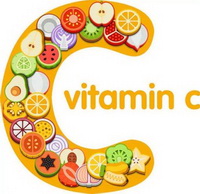 As an essential nutrient for the human body, the recommended daily intake of vitamin C is at least 90 mg for men and 75 mg for women. Beyond this baseline, moderate vitamin C supplementation may help prevent arthritis—but is more always better? Scientists in North Carolina found that long-term excessive vitamin C intake is unlikely to provide additional benefit and may actually worsen arthritis symptoms. Moreover, excessive vitamin C consumption can cause diarrhea, electrolyte imbalance, kidney stones, and other adverse effects. Thus, “more is better” is not a valid principle for vitamin C supplementation.
 This pathological process may begin early in life. Australian researchers found that obese adolescents are more likely than their normal-weight peers to develop arteriosclerosis—evidenced by impaired arterial intima diastolic function. Fortunately, this dysfunction can be reversed through exercise. After three weeks of regular physical activity, functional assessments of arterial endothelial function returned to normal levels in obese adolescents—even when body weight remained unchanged. However, sustained exercise is required; otherwise, arterial function reverts to its pre-intervention state.
 Drinking coffee and other caffeinated beverages may reduce alcohol-related liver damage, according to an analysis of U.S. health and nutrition survey data. The study focused specifically on heavy drinkers. Under normal circumstances, chronic excessive alcohol consumption damages the liver, leading to fatty liver disease and cirrhosis. Consuming two cups of coffee or caffeinated beverages daily reduced the risk of alcohol-induced liver damage by 44% and 69%, respectively. However, the precise mechanism by which caffeine confers hepatoprotection requires further investigation and validation.
 Before black tea gained widespread popularity, people in certain regions traditionally brewed orange peel tea. Those who continue this practice today may have lower cardiovascular risk—including reduced concern about hypercholesterolemia. Recently, Canadian scientists discovered that orange peel contains bioactive compounds capable of lowering blood cholesterol levels. This study is the first to demonstrate that these compounds—beyond their previously known health benefits—also reduce circulating levels of low-density lipoprotein (LDL) cholesterol, a key contributor to atherosclerosis. Next time you peel an orange, consider saving the rind.
 If a mother has asthma, her child may inherit a genetic predisposition—but this outcome is not inevitable. Increased attention to maternal diet during pregnancy may mitigate risk. U.S. researchers report that asthmatic mothers who regularly consumed oily sea fish—such as salmon or trout—during pregnancy reduced their infants’ risk of developing asthma by up to 70%. This protective effect is attributed to omega-3 fatty acids abundant in marine fish, which inhibit systemic inflammation and modulate immune development. When selecting seafood, prioritize low-mercury options—for example, wild-caught salmon or sardines.
 British clinicians recently found that patients who regularly monitor their blood pressure at home achieve better control. A study of 2,714 hypertensive patients—approximately half of whom measured blood pressure at home and half who relied solely on clinic-based measurements—revealed significantly lower systolic and diastolic pressures in the home-monitoring group. Analysis indicates that the observed disparity is not attributable to the "white-coat effect." Rather, home monitoring enables timely detection of elevated readings and facilitates accurate assessment of progress toward blood pressure targets. Consequently, patients are more likely to adhere rigorously to antihypertensive lifestyle modifications and pharmacotherapy—and to engage actively with their overall health management.
 One of the manifestations of aging is cognitive decline, a natural phenomenon that cannot currently be prevented. However, Canadian psychologists have recently found that bilingual individuals outperform monolingual individuals on certain cognitive tasks. The researchers used psychological tests to assess differences in attentional control, inhibitory control, and processing speed among young, bilingual, and monolingual adults. The results showed that older bilingual adults performed similarly to younger monolingual adults in terms of executive function. Bilingualism appears to confer a cognitive advantage, particularly in tasks requiring conflict monitoring and task switching. Scientists believe that regularly using two languages engages and strengthens neural networks involved in analysis, synthesis, and information storage—thereby delaying age-related cognitive decline.
 Swedish scientists followed 3,206 people aged 65 and older for 12 years and found that exercising once or twice per week was associated with increased life expectancy. Activities included cycling and walking. Occasional exercisers reduced their risk of mortality by 28 percent, whereas those who exercised consistently once or twice weekly reduced it by 40 percent. The study also found that exercising more than twice per week did not yield additional mortality benefits beyond the 40 percent reduction.
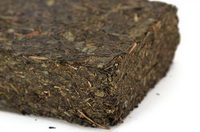 A group of Chinese researchers recently published a study in the American Journal of Cardiology showing that drinking black tea improves blood flow to the coronary arteries, thereby enhancing perfusion of the heart muscle. Coronary blood flow was significantly improved approximately two hours after black tea consumption in 10 healthy men. No similar effect was observed with caffeinated beverages other than black tea. The authors suggest that bioactive compounds in black tea—particularly flavonoids—may improve endothelial cell function, enabling blood vessels to dilate more effectively when needed and thus increasing blood flow.
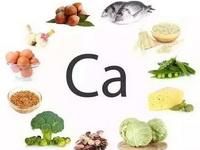 Colorectal polyps are abnormal growths of tissue on the inner lining of the colon or rectum. Although most are benign, a subset may progress to cancer over time. A recent U.S. study found that daily calcium supplementation is associated with a reduced incidence of colorectal polyp recurrence, particularly of advanced or precancerous polyps. The study indicates that consuming at least 1,200 mg of elemental calcium per day—combined with adequate dietary fiber intake and reduced saturated fat consumption—may help prevent colorectal polyp formation and lower the risk of colorectal cancer.
 A study from the University of Pittsburgh suggests that individuals who consistently maintain calmness during stressful situations may have a lower long-term risk of developing hypertension. Preventing hypertension significantly reduces the risk of cardiovascular disease and stroke. The findings indicate a direct association between the magnitude of an individual’s blood pressure reactivity to acute stressors and their subsequent risk of developing hypertension. A 12-year longitudinal study of 4,000 adults under age 30 found that those exhibiting large, repeated systolic blood pressure increases in response to stressors were significantly more likely to develop hypertension after age 40 than those with stable, low-amplitude responses.
 Scientists at the University of Otago in New Zealand found that excessive television viewing during childhood is associated with an increased risk of several adverse health outcomes in adulthood. Children who watched excessive amounts of television between ages five and fifteen were more likely, as adults, to have elevated cholesterol levels, smoke, exhibit low physical fitness, and be obese—according to a study published in The Lancet, a leading British medical journal. However, higher television exposure during this period was not associated with an increased risk of developing hypertension in adulthood. The study reported that approximately 17% of adults were overweight, 15% reported poor self-rated health, 15% had dyslipidemia, and 17% were current smokers.
 A new Harvard University study suggests that greater vegetable consumption during midlife may help delay the onset of Alzheimer’s disease. Leafy green vegetables (e.g., spinach and lettuce) and cruciferous vegetables (e.g., broccoli, cauliflower, and Brussels sprouts) support cognitive health and may delay disease onset by one to two years. Women who consumed higher amounts of leafy green and cruciferous vegetables in midlife demonstrated better-preserved brain structure and function at age 70 compared with those with lower intakes.
