✵The article documents the herb Cassia Twig, including its English name, Latin name, Pinyin name, properties and flavors, and botanical sources—two plant species: (1) Cinnamomum cassia Presl. and (2) Cinnamomum cassia BL.var.macrophyllum Chu.var.nov. It provides a detailed introduction to the botanical features of these two species; the characteristics of the herb Cassia Twig; its pharmacological actions, medicinal efficacy, and administration guidelines.
Ramulus Cinnamomi (Cassia Twig)
Pinyin Name: Guì Zhī
English Name: Cassia Twig
Latin Name: Ramulus Cinnamomi
Properties and Flavors: Warm; pungent and sweet.
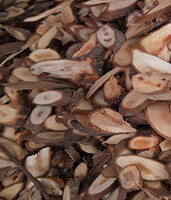
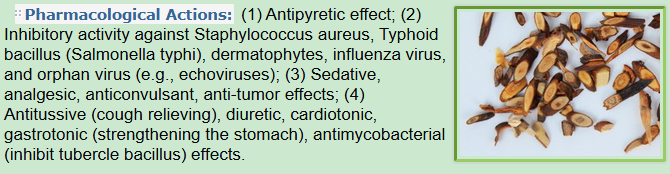
Brief introduction: Ramulus Cinnamomi consists of the dried young twigs of Cinnamomum cassia Presl. It is used: (1) to induce sweating for releasing the muscles in wind-cold exterior syndromes; (2) to warm and unblock the meridians, thereby alleviating pain caused by cold and congealing blood; and (3) to promote menstrual flow in cases of amenorrhea due to cold stagnation. Common names include Ramulus Cinnamomi, Cassia Twig, and Guì Zhī.
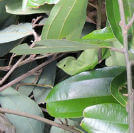
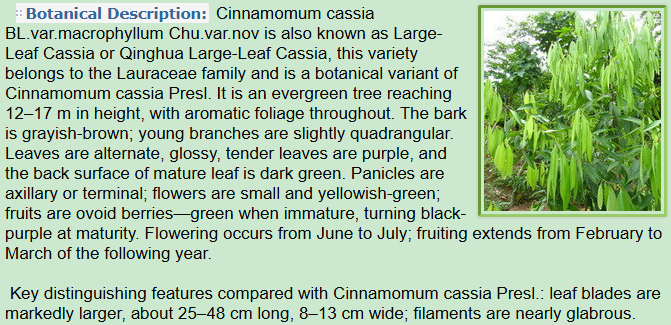
Botanical Source: Cinnamomum cassia Presl., or Cinnamomum verum, C. zeylanicum, is an evergreen tree of the genus Cinnamomum, family Lauraceae (laurel family), order Laurales. The two commonly used botanical sources for this herb are: (1) Cinnamomum Cassia Presl. and (2) its variety Cinnamomum cassia Presl var.macrophyllum Chu—also known as Large-Leaf Cassia or Qinghua Large-Leaf Cassia. Both belong to the Lauraceae family and Cinnamomum genus.

 ✵The article documents the herb Cassia Twig, including its English name, Latin name, Pinyin name, properties and flavors, and botanical sources—two plant species: (1) Cinnamomum cassia Presl. and (2) Cinnamomum cassia BL.var.macrophyllum Chu.var.nov. It provides a detailed introduction to the botanical features of these two species; the characteristics of the herb Cassia Twig; its pharmacological actions, medicinal efficacy, and administration guidelines.
 Pinyin Name: Guì Zhī
 Botanical Source: Cinnamomum cassia Presl., or Cinnamomum verum, C. zeylanicum, is an evergreen tree of the genus Cinnamomum, family Lauraceae (laurel family), order Laurales. The two commonly used botanical sources for this herb are: (1) Cinnamomum Cassia Presl. and (2) its variety Cinnamomum cassia Presl var.macrophyllum Chu—also known as Large-Leaf Cassia or Qinghua Large-Leaf Cassia. Both belong to the Lauraceae family and Cinnamomum genus.



 URL QR code: