Introduction: Water is an essential component of a healthy human body. Traditional Chinese Medicine (TCM) practitioners hold that proper circulation and distribution of body fluids are vital for maintaining normal physiological functions—nourishing the limbs and tissues, regulating temperature, and supporting metabolism. However, excess of anything is harmful: due to internal imbalances (e.g., the "Seven Emotions") or external pathogenic factors, water metabolism may become dysfunctional, causing normal body fluids to transform into a pathological factor—dampness. Dampness is not only a common cause of disease but also closely associated with numerous disorders. As TCM theory states: "When Zheng Qi (healthy Qi) is abundant within, pathogens cannot invade." Similarly, when confronted with dampness, some individuals develop illness while others remain unaffected—because robust Zheng Qi enables the body to resist, expel, and repel damp pathogens. This underscores the importance of cultivating Zheng Qi to strengthen resistance against exogenous pathogens.
Problems in Summer: Damp-Heat Obstructing the Spleen
The human body and its environment are intimately interconnected; thus, the internal milieu constantly responds to seasonal and climatic changes—and health is profoundly influenced by the seasons.
In summer, heat and humidity prevail, making the body especially susceptible to damp-heat pathogens. Meanwhile, improved living conditions have led to widespread use of air conditioning. During hot weather, excessive sweating opens the skin pores; however, abruptly entering an air-conditioned room—or seeking shade—causes pores to constrict rapidly, trapping moisture within the meridians, muscles, bones, and interstitial spaces. Over time, this retained dampness combines with heat, transforming into internal damp-heat—a key mechanism underlying the pattern of "damp-heat obstructing the spleen."
In the Five Elements system, the spleen corresponds to Earth and prefers dryness while disliking dampness. When dampness accumulates internally, it easily impairs spleen function—disrupting transformation and transportation—thereby affecting the stomach as well. This manifests clinically as "dampness obstructing the spleen and stomach." Many recognize Helicobacter pylori infection as a major cause of gastric disorders; in TCM, such infections are generally viewed as manifestations of dampness or damp-toxicity. Likewise, gastroesophageal reflux and gastrointestinal polyps—common in middle-aged and elderly populations—are significantly linked to dampness accumulation.
Key symptoms of damp-heat obstructing the spleen include: loose stools, drowsiness, epigastric distension and belching, a heavy or wrapped sensation in the head, sticky taste in the mouth, fatigue, lethargy, a swollen tongue with a yellow, greasy coating. The primary therapeutic principle is clearing damp-heat and strengthening the spleen—while also aiding digestion and resolving Qi stagnation.
Clearing Dampness in Summer to Maintain Health
Many people experience internal dampness during summer—so how can we stay healthy?
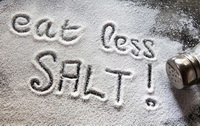
Method 1: Reduce Salt Intake to Support Kidney Function
This approach is primarily suitable for individuals engaging in strenuous physical labor or intense exercise in summer—not necessarily for sedentary office workers who sweat minimally. Excess dietary sodium is normally excreted by the kidneys; however, when intake is excessive—or when kidney function is compromised—the kidneys may fail to eliminate surplus sodium promptly. Elevated blood sodium concentration draws water into the vascular space, promoting water-sodium retention and edema. This explains why some people gain weight or appear bloated despite eating little.
If you do not sweat excessively, adhere to a low-salt diet in summer (the World Health Organization recommends ≤6 grams of salt per person per day)—especially important for those with pre-existing kidney conditions.
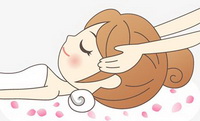
Method 2: Massage-Assisted Drainage—A Healthier Alternative to Sauna
When discussing drainage, many instinctively think of sauna bathing—a passive, heat-induced sweating method. Yet this is ill-suited for hot summer months—and particularly unsuitable for frequent use. While saunas do accelerate circulation and help expel damp pathogens, excessive sweating during sauna sessions places undue strain on the cardiovascular system. In contrast, warm baths combined with gentle massage offer a safer, more balanced approach to eliminating dampness.
A warm bath induces mild, controlled sweating; paired with simple self-massage, it effectively promotes the expulsion of damp pathogens while simultaneously relaxing the body. For optimal results, consider a weekly professional body spa treatment—performed by a qualified therapist—to enhance detoxification and lymphatic drainage.
After summer exercise, you may take a warm-water bath—using water close to body temperature—once sweat has dried. Adding plant-based essential oils with lymphatic-draining properties can further aid fatigue relief and promote faster physical and mental relaxation.
Clearing Dampness Method 3: Take an Appropriate Nap for Lighter Bodily Sensation
Experts note that quality sleep contributes to a lighter, more energized feeling. Overwork depletes Qi and blood; insufficient Qi and blood, in turn, exacerbates internal dampness accumulation. Summer days are long and nights short—and many professionals work overtime, resulting in chronic nighttime sleep deprivation. Therefore, balancing work and rest requires special attention.
For office workers, a brief midday nap helps compensate for lost nocturnal sleep, allowing the brain and bodily systems to rest and recover—significantly improving afternoon productivity. Napping is feasible in various settings: in an office break room, on a couch, at a nearby wellness center, or even at one’s desk. For individuals—particularly women—whose circumstances prevent napping, ensuring sufficient nighttime sleep becomes essential.

 Introduction: Water is an essential component of a healthy human body. Traditional Chinese Medicine (TCM) practitioners hold that proper circulation and distribution of body fluids are vital for maintaining normal physiological functions—nourishing the limbs and tissues, regulating temperature, and supporting metabolism. However, excess of anything is harmful: due to internal imbalances (e.g., the "Seven Emotions") or external pathogenic factors, water metabolism may become dysfunctional, causing normal body fluids to transform into a pathological factor—dampness. Dampness is not only a common cause of disease but also closely associated with numerous disorders. As TCM theory states: "When Zheng Qi (healthy Qi) is abundant within, pathogens cannot invade." Similarly, when confronted with dampness, some individuals develop illness while others remain unaffected—because robust Zheng Qi enables the body to resist, expel, and repel damp pathogens. This underscores the importance of cultivating Zheng Qi to strengthen resistance against exogenous pathogens.
 The human body and its environment are intimately interconnected; thus, the internal milieu constantly responds to seasonal and climatic changes—and health is profoundly influenced by the seasons.
 In the Five Elements system, the spleen corresponds to Earth and prefers dryness while disliking dampness. When dampness accumulates internally, it easily impairs spleen function—disrupting transformation and transportation—thereby affecting the stomach as well. This manifests clinically as "dampness obstructing the spleen and stomach." Many recognize Helicobacter pylori infection as a major cause of gastric disorders; in TCM, such infections are generally viewed as manifestations of dampness or damp-toxicity. Likewise, gastroesophageal reflux and gastrointestinal polyps—common in middle-aged and elderly populations—are significantly linked to dampness accumulation.
 Many people experience internal dampness during summer—so how can we stay healthy?
 Method 2: Massage-Assisted Drainage—A Healthier Alternative to Sauna
 Clearing Dampness Method 3: Take an Appropriate Nap for Lighter Bodily Sensation
