Introduction: Summer is the season when celestial Yang energy converges with earthly Yin energy, and nature flourishes abundantly. According to Traditional Chinese Medicine (TCM), the heart corresponds to summer; thus, summer health preservation emphasizes nurturing the mind and spirit. As stated in the ancient classic Huangdi Neijing·Suwen (The Yellow Emperor’s Internal Canon:the Plain Questions): "The heart is the root of life and the source of vitality; its radiance manifests on the face, and its abundance fills the blood. It is the Supreme Yang among all Yang organs and governs the Qi of summer." To nourish the heart during summer, observe the following principles:
Tips for Health Preservation in Summer
✵Cultivate the Mind:
During summer, harness the season’s vibrant energy to release the lingering depression and irritability carried over from spring. Maintain smooth emotional flow and gentle mental states. With nature flourishing, people naturally gravitate toward outdoor scenery—engaging in more outdoor activities allows one to absorb nature’s vitality. Disregarding summer’s natural rhythm—such as suppressing joy or overexerting mentally—harms Heart Qi, as the *Suwen* warns: "To go against summer’s way injures the heart." This imbalance may predispose one to illness in autumn and winter. Key practices include: (1) restraining Liver Fire—minimizing anger, anxiety, and brooding; and (2) calming Heart Fire—reducing agitation, irritability, and restlessness. Cultivating tranquility, quieting the mind, releasing distractions, and avoiding harmful mental stimuli help sustain a calm and serene state of being.
✵Sweat Moderately:
Hot summer weather induces mild sweating, which regulates body temperature and harmonizes the Ying (Nutritive) and Wei (Defensive) systems—supporting smooth Qi and blood circulation. However, excessive or unregulated sweating—driven solely by heat—is detrimental to health. TCM holds that “sweat and blood share the same origin”: sweat derives from body fluids, and both body fluids and blood originate from the essence of food and drink. As sweat is the fluid of the Heart organ, it forms when Yang Qi transforms Yin fluids (“Yang acts upon Yin to produce sweat”). Excessive sweating depletes body fluids and blood, damages Yang Qi, and impairs Qi-blood balance—leading to deficient Heart nourishment. Symptoms may include palpitations, shortness of breath, insomnia, fatigue, weakness, thirst, and reduced urine output.
✵Laugh Often—It Truly Adds Years to Your Life
As the saying goes, "A hearty laugh keeps you ten years younger." Even a simple smile can dispel unhappiness. In early summer, rising temperatures often trigger restlessness and irritability; minor frustrations may escalate into intense emotional distress. Maintaining a positive mood, relaxing consciously, and avoiding excessive self-restraint are vital. Equally important is minimizing outbursts of anger. Research indicates that chronic anger significantly shortens life expectancy.
✵Rub Your Palms:
The palms contain numerous acupoints and meridian pathways. Regular palm rubbing stimulates systemic blood circulation and helps alleviate fatigue. Because palms are naturally exposed, this simple, accessible practice can be done anytime, anywhere—making it an excellent, low-effort anti-fatigue method worthy of wider adoption.
✵Wash Your Face with Cool Water:
Studies suggest washing the face every three hours improves skin health for those working long hours in front of computer screens. Screen radiation generates static electricity, attracting airborne dust; prolonged facial exposure to dust can compromise skin integrity. In summer, using cool (not icy) water to wash the face is especially beneficial—not only for its refreshing, cooling sensation but also for its immediate invigorating effect on mental clarity and alertness.
✵Avoid cold showers:
As the temperature rises, people tend to take cold showers when returning from going out. Since the human body absorbs a lot of heat under the sun, a cold water bath can cause systemic pores to close rapidly, preventing excess heat from dissipating and trapping it inside the body—potentially causing fever. It may also lead to inadequate cerebral blood supply due to rapid capillary constriction in the brain, resulting in dizziness or vertigo; in severe cases, shock may occur. Therefore, it is better to allow sweat to evaporate first—thereby dissipating a significant amount of heat—before taking a bath.
✵Get enough sleep:
In summer, days are longer and nights shorter; temperatures are high, human metabolism is accelerated, energy consumption increases, and fatigue sets in more easily. Therefore, maintaining adequate sleep in summer is highly important for promoting health and improving work and learning efficiency. To ensure sufficient sleep, we should: (1) follow a regular daily routine; (2) ensure good bedroom ventilation and keep the room cool; (3) maintain mental calmness and strive for "a quiet mind brings natural coolness"; and (4) take an appropriate nap—summer naps help relax the brain and body systems, enhance afternoon performance at work or study, and serve as an effective measure to prevent heatstroke.
✵Beware of spleen and stomach damage:
Many people experience various gastrointestinal problems in summer. One reason is that appetite naturally declines in hot weather, impairing digestive function. Another reason is the frequent consumption of cold foods, which strongly stimulate the stomach. Such intense low-temperature stimulation causes gastric blood vessels to constrict, reducing blood flow and thereby inhibiting secretion of gastrointestinal digestive fluids—leading to physiological dysfunction. Elderly people, children, and individuals with pre-existing digestive weakness are especially prone to abdominal pain and gastritis during summer.
From the perspective of health preservation, protecting the spleen and stomach in summer is essential. It is advisable to consume light, nourishing foods—such as porridge and soups—which not only quench thirst and cool the body but also nourish vital energy. In addition, fresh fruits and vegetables supply ample vitamins, water, and inorganic salts. Among these, certain foods possess heat-clearing and dampness-resolving properties—for example, watermelon, bitter melon, peach, plum, strawberry, tomato, cucumber, and mung beans. Moreover, foods taken directly from the refrigerator should not be consumed immediately; instead, they should be allowed to reach room temperature before eating. Also, avoid overeating cold foods at once—especially for elderly people, children, and those with chronic gastritis or indigestion, who should limit or avoid such foods altogether.
✵Drink more water and fewer beverages:
According to nutrition experts, early summer weather tends to be relatively dry; therefore, daily water intake should total 2,000–2,400 mL. Blood viscosity is particularly high in the morning, increasing the risk of clot formation—so drinking a glass of water first thing upon waking is essential. Maintaining consistent hydration throughout the day is equally important. Sufficient water intake helps cleanse the intestines and prevent “excess internal heat.” Beverages should not substitute for plain water, as sodas, fruit juices, colas, and similar drinks contain high levels of artificial sweeteners and electrolytes, which can adversely irritate the stomach and impair digestion and appetite.
✵Eat a balanced diet:
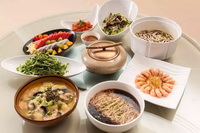
In summer, opt for light meals—but do not eliminate meat entirely. Gastric acid secretion decreases in hot weather, and increased water intake further dilutes gastric acid, weakening digestive capacity. Thus, the diet should remain light yet nutritionally adequate. Prioritize nutrient-rich, mildly flavored foods; avoid greasy, fried, or excessively spicy dishes. However, “light” does not mean strictly vegetarian: while plant-based meals provide abundant dietary fiber and vitamins, they often lack essential proteins. Therefore, even in hot summer, include moderate amounts of lean meat, eggs, milk, fish, and soy products. The key lies in cooking methods—favor steaming, cold mixing, or boiling—and avoid excessive oil or heavy seasoning.
✵Eat more bitter foods:
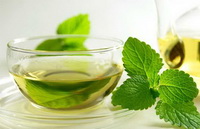
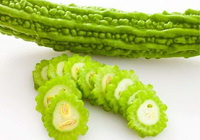
According to Traditional Chinese Medicine, bitter-tasting vegetables help clear internal heat. Nutritionists therefore recommend consuming bitter foods—such as bitter cabbage and bitter gourd—more frequently in summer, as they possess antipyretic properties and help dissipate heat and alleviate fatigue. Regularly eating bitter gourd soup or bitter gourd dishes during summer can harmonize the spleen and stomach, reduce fatigue, enhance mental alertness, and refresh the mind—offering certain preventive benefits against heatstroke and gastrointestinal disorders. Bitter cabbage is a vegetable sharing botanical origins with bitter gourd and exhibits cooling and detoxifying effects, antimicrobial and abscess-draining properties, blood-activating and pain-relieving actions, and efficacy in preventing and treating gastroenteritis. When preparing bitter cabbage, thoroughly wash its roots and leaves; although its taste is bitter, it acquires a subtle sweetness upon cooking and offers preventive and therapeutic effects against enteritis and dysentery. Given increased sweating in summer, beverages with a mild bitter flavor—such as beer and green tea—are suitable choices.
Prevent potential diseases in summer:
✵Prevent skin diseases:
After the beginning of summer and approaching the solar term Xiao Man (Grain Full), the incidence of skin diseases rises significantly. This is because temperatures rise markedly during this period, and rainfall increases. The resulting hot, humid, and muggy weather creates favorable conditions for skin disease outbreaks. Therefore, preventive measures should be taken shortly after the start of summer—before Xiao Man arrives—to mitigate future risks.
Generally speaking, urticaria (commonly mislabeled as "rubella" in this context) is among the most frequent skin conditions occurring in summer. Its etiology and pathogenesis involve dampness accumulation in the skin and excessive gastrointestinal heat. Thus, treatment principles focus on clearing dampness and draining heat from the blood. A fresh, light, predominantly plant-based diet supports prevention of such skin conditions—especially foods known for clearing heat and resolving dampness, such as mung beans, winter melon, cucumbers, water chestnuts, wood ear mushrooms, carrots, tomatoes, watermelon, yams, crucian carp, and grass carp. Spicy foods—including raw onions, raw garlic, ginger, mustard, black pepper, fennel, and cinnamon—should be consumed in moderation.
✵Prevention of dysentery in early summer:
Bacterial dysentery—the most common bacterial intestinal infection—is caused by Shigella species. Its transmission is closely linked not only to fly breeding but also to habits of consuming raw or cold food, which—combined with summer’s warm, humid climate—disrupt gastrointestinal function and promote Shigella proliferation. The key to controlling dysentery lies in early detection and prompt treatment. Secondarily, maintaining environmental, dietary, and personal hygiene is essential: strengthen management of food and water sources, eliminate flies, avoid eating raw or cold vegetables, refrain from consuming unclean or unwashed fruits and vegetables, discard rotten or stale food, and cultivate the habit of washing hands before meals and after using the toilet.
Early summer weather tends to be dry, predisposing individuals to “excess internal heat,” leading to a sharp rise in oral ulcer cases. Known contributing factors include dry climate, emotional stress (e.g., anxiety or nervousness), and inadequate absorption of vitamins and trace elements. Patients with severe symptoms should seek medical guidance and may use topical oral ulcer films and supplement vitamin B2, among other treatments.
Additionally, early summer warrants attention to preventing epidemic conjunctivitis (“pink eye”). This condition has a short incubation period—often manifesting within 24 hours of infection. Affected individuals experience acute bilateral eye pain, photophobia, tearing, and a foreign-body sensation. Upon diagnosis, the top priority is preventing transmission; secondly, timely treatment is critical. Special care must be taken to wash and disinfect patients’ personal items—particularly in group settings—while implementing strict isolation protocols. Key preventive measures include rigorous personal hygiene and eye care during early summer, when high temperature and humidity prevail, and avoiding contact with contaminated sources.

 Introduction: Summer is the season when celestial Yang energy converges with earthly Yin energy, and nature flourishes abundantly. According to Traditional Chinese Medicine (TCM), the heart corresponds to summer; thus, summer health preservation emphasizes nurturing the mind and spirit. As stated in the ancient classic Huangdi Neijing·Suwen (The Yellow Emperor’s Internal Canon:the Plain Questions): "The heart is the root of life and the source of vitality; its radiance manifests on the face, and its abundance fills the blood. It is the Supreme Yang among all Yang organs and governs the Qi of summer." To nourish the heart during summer, observe the following principles:
 ✵Cultivate the Mind:
 ✵Sweat Moderately:
 ✵Laugh Often—It Truly Adds Years to Your Life
 ✵Wash Your Face with Cool Water:
 ✵Get enough sleep:
 ✵Drink more water and fewer beverages:
 ✵Eat a balanced diet:
 ✵Eat more bitter foods:
 ✵Prevention of dysentery in early summer:
