Introduction: Coughing is an intense, sudden respiratory movement and a normal physiological mechanism for expelling sputum—a beneficial defensive reflex. In addition to keeping the respiratory tract clean and healthy, coughing can also serve as an effective self-rescue measure during cardiac emergencies.
Ancient and Modern Insights: In Wang Xugao Yi An (Medical Cases of Wang Xugao), it states: “To treat chronic cough over a long period, one must first regulate the stomach Qi.” The classical works Zhang Shi Yi Tong also notes: “When treating cough caused by exterior pathogens, medications must not be overly static; stagnation impedes resolution and may lead to complications—thus, cold-converging formulas should be avoided.”
The Benefits of Active Coughing
The lungs are among the viscera most prone to toxin accumulation and among those most likely to develop disease in the elderly. Historically, people coughed passively—only when sputum stimulated the airway or throat. For patients with chronic obstructive pulmonary disease (COPD), bronchiectasis, pneumonia, or lung abscess, active coughing can even be life-saving in critical moments. Indeed, voluntary coughing is a simple, rapid, and effective method for self-rescue during cardiac emergencies or syncope. In U.S. hospital cardiac intensive care units, patients are routinely trained and instructed in this cough-based rescue technique—as an immediate emergency intervention before professional help arrives.
Breath-Holding Test for Lung Health: You can assess lung health by holding your breath. When swimming or bathing, take a deep breath, submerge your head underwater, hold your breath, and exhale slowly. If you can hold your breath for more than 30 seconds, your lungs are healthy; up to one minute indicates strong lung function. A healthy man in his twenties can typically hold his breath for 90–120 seconds.
✵Active Coughing Technique: Active coughing greatly benefits the lungs. Upon waking, after lunch, or before bedtime, drink a cup of warm beverage to help thin sputum. Then go outdoors to a place with fresh air. Take a deep abdominal breath—expanding both abdomen and chest until full—and hold briefly. Slowly raise your arms while holding your breath, then suddenly cough forcefully while rapidly lowering your arms, allowing air to rush out through nose and mouth and expelling phlegm. Perform each active cough cycle 10 times, with several normal breaths between cycles to prevent hyperventilation. However, individuals with emphysema, asthma, chest fractures, or extreme frailty—including many elderly persons—should avoid this technique. Coronary heart disease patients experiencing chest pain, palpitations, or tightness should immediately lie down to rest and reduce myocardial oxygen demand. Subsequently, vigorous coughing may increase coronary artery blood flow and alleviate myocardial ischemia—buying vital time until professional rescue arrives.
Benefits of Active Coughing
✵1. In recent years, air pollution has worsened, and increasing numbers of harmful substances—including dust, particulate matter, and toxic exhaust components—are present in the air. Inhalation of these agents raises the risk of bronchitis and other pulmonary diseases—and via systemic circulation, they may adversely affect the entire body. Active coughing helps cleanse the lungs. Moreover, forceful coughing increases intrathoracic pressure, thereby enhancing lung capacity and immune function.
✵2. Prevention and Management of Sudden Cardiac Events: During acute cardiac events, blood circulation may stagnate. Forceful coughing elevates intrathoracic pressure, exerting a direct “massage-like” effect on the temporarily ischemic heart, improving coronary perfusion and oxygen delivery—thereby buying precious time until professional help arrives.
✵3. Prevention of Orthostatic Hypotension–Induced Syncope: Elderly individuals often exhibit poor cardiovascular regulation and adaptability. Prolonged bed rest or squatting (e.g., on a toilet) may impair blood pressure regulation, leading to postural hypotension, cerebral hypoperfusion, and syncope. Upon rising, taking a full breath followed by several forceful coughs can help prevent such episodes. Effective coughing compresses pulmonary circulation, promoting venous return to the heart and improving cerebral blood flow—thus preventing syncope.
✵Tips: Boil rock candy and snow pear together for half an hour, then consume the mixture to reduce phlegm, relieve cough, moisten the lungs, and nourish Yin.

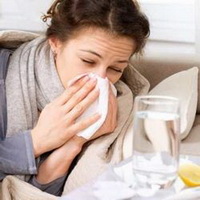 Introduction: Coughing is an intense, sudden respiratory movement and a normal physiological mechanism for expelling sputum—a beneficial defensive reflex. In addition to keeping the respiratory tract clean and healthy, coughing can also serve as an effective self-rescue measure during cardiac emergencies.
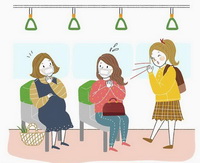 The lungs are among the viscera most prone to toxin accumulation and among those most likely to develop disease in the elderly. Historically, people coughed passively—only when sputum stimulated the airway or throat. For patients with chronic obstructive pulmonary disease (COPD), bronchiectasis, pneumonia, or lung abscess, active coughing can even be life-saving in critical moments. Indeed, voluntary coughing is a simple, rapid, and effective method for self-rescue during cardiac emergencies or syncope. In U.S. hospital cardiac intensive care units, patients are routinely trained and instructed in this cough-based rescue technique—as an immediate emergency intervention before professional help arrives.
 Breath-Holding Test for Lung Health: You can assess lung health by holding your breath. When swimming or bathing, take a deep breath, submerge your head underwater, hold your breath, and exhale slowly. If you can hold your breath for more than 30 seconds, your lungs are healthy; up to one minute indicates strong lung function. A healthy man in his twenties can typically hold his breath for 90–120 seconds.
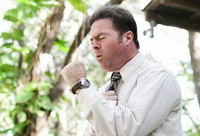 ✵Active Coughing Technique: Active coughing greatly benefits the lungs. Upon waking, after lunch, or before bedtime, drink a cup of warm beverage to help thin sputum. Then go outdoors to a place with fresh air. Take a deep abdominal breath—expanding both abdomen and chest until full—and hold briefly. Slowly raise your arms while holding your breath, then suddenly cough forcefully while rapidly lowering your arms, allowing air to rush out through nose and mouth and expelling phlegm. Perform each active cough cycle 10 times, with several normal breaths between cycles to prevent hyperventilation. However, individuals with emphysema, asthma, chest fractures, or extreme frailty—including many elderly persons—should avoid this technique. Coronary heart disease patients experiencing chest pain, palpitations, or tightness should immediately lie down to rest and reduce myocardial oxygen demand. Subsequently, vigorous coughing may increase coronary artery blood flow and alleviate myocardial ischemia—buying vital time until professional rescue arrives.
 ✵1. In recent years, air pollution has worsened, and increasing numbers of harmful substances—including dust, particulate matter, and toxic exhaust components—are present in the air. Inhalation of these agents raises the risk of bronchitis and other pulmonary diseases—and via systemic circulation, they may adversely affect the entire body. Active coughing helps cleanse the lungs. Moreover, forceful coughing increases intrathoracic pressure, thereby enhancing lung capacity and immune function.
