Introduction: Sneezing is a natural physiological mechanism by which the body expels irritants or foreign particles from the nasal passages. In traditional Chinese medicine (TCM), it is regarded as an outward expression of the resuscitation of Yang Qi—a sign that the body’s vital energy is rising and actively dispelling pathogenic factors. It is also an ancient therapeutic method used to expel wind-cold.
Ancient and modern enligntenments: The therapeutic use of induced sneezing has a long history. As early as the Huangdi Neijing (The Yellow Emperor’s Inner Canon), it is recorded: “Induce vomiting or stimulate the nasal hairs with grass to provoke sneezing—this will relieve the condition.” In the Jin Kui Yao Lüe (Essential Prescriptions from the Golden Cabinet)—a classic written by the Han Dynasty physician Zhang Zhongjing—methods such as “instilling water into the nose using crushed scallions” and “blowing powdered acacia flowers into the nostrils” are described for reviving patients suffering sudden collapse. During the Jin Dynasty, the scholar-physician Ge Hong documented numerous techniques to open the orifices in his emergency manual Zhou Hou Bei Ji Fang (Handbook of Prescriptions for Emergencies), including “pricking the nasal cavity with a green onion stem” and “blowing powdered acacia beans into the nose to induce sneezing and restore nasal patency.”
Active Sneezing
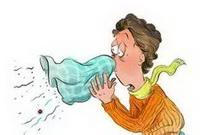
Conventional Western cold medications often suppress the body’s natural expulsion of pathogenic wind-cold—reducing sneezing and rhinorrhea while forcibly retaining pathogens internally. Prolonged suppression may lead to serious complications. Sneezing, like coughing, is a protective respiratory reflex. Although many consider public sneezing impolite—and thus consciously suppress it—this habit harms health. A case recorded in Wang Mengying’s Medical Cases illustrates this: Sima Zhang Yannong fell gravely ill and complained of profound fatigue and exhaustion. Wang Mengying diagnosed him with depressed Yang Qi. When asked why, Wang replied: “Indeed, this condition has persisted for a year. Why? Because Yang Qi remains stagnant. Though Zhang Zhongjing mentioned this concept in antiquity, he did not formalize a treatment method. What if we induce a sneeze—say, via Bo Gong’s method?” Even a renowned physician like Wang Mengying paid close attention to whether a patient could sneeze—not because sneezing is merely a nasal disorder or a simple response to mucosal irritation, but because it reflects the dynamic balance of Yin and Yang in the human body: a natural, inevitable manifestation of the body’s self-healing response and its triumph over disease.
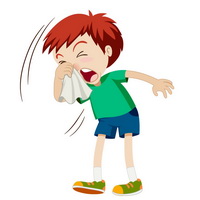
Why Eyes Close During Sneezing: When sneezing, facial muscles—including over 100—undergo coordinated contraction and relaxation. The nervous system must concentrate intensely to execute this complex reflex arc; closing the eyes reduces external sensory interference. Many have experienced this: when feeling an impending sneeze, a sudden conversation or physical touch (e.g., a pat on the shoulder) may abort it entirely. Therefore, successful active sneezing requires an undisturbed environment. To induce it: tear off a strip of toilet paper about 15 cm long, roll it tightly between your fingers into a firm, slender cylinder, and gently insert both ends simultaneously into the nostrils—the tip should lightly contact the nasal vestibule for optimal stimulation. Alternatively, inhale a small amount of ground pepper or stand near chili peppers while cutting them—but take care not to contaminate food. In daily life, when sneezing naturally occurs, cover your nose and mouth with your hand or elbow, and direct the expelled air downward to minimize droplet dispersion and prevent germ transmission. In private settings—where no others are present—you may sneeze freely. After sneezing, promptly wipe nasal discharge with tissue and discard it hygienically.
The Benefits of Sneezing
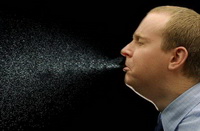
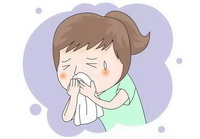
✵1. Pathogen Clearance: During a sneeze, nasal airflow velocity can reach up to 177 km/h. This high-speed expulsion thoroughly clears the upper respiratory tract, expelling irritants and pathogens. Medically, a single sneeze can aerosolize and eject 40,000–100,000 bacteria or viruses within a 2–3 meter radius.
✵2. Expelling Wind-Cold: In TCM, spontaneous sneezing during wind-cold invasion signifies the body’s attempt to expel pathogens. Repeated sneezing may induce mild diaphoresis—especially on the forehead—indicating successful dissipation of wind-cold.
✵3. Alleviating Constipation: According to TCM theory, the Lung and Large Intestine are interior-exterior paired organs; Lung Qi governs descending function, which directly influences intestinal peristalsis. Induced sneezing strengthens Lung Qi’s descending action, thereby enhancing the Large Intestine’s propulsive force and relieving constipation.
✵4. Supporting Management of Premature Ejaculation: In TCM, the Five Zang Organs correspond to the Five Elements. While sneezing itself is not a direct cure, stimulating the nasal orifice—closely linked to the brain and governing the “Sea of Marrow”—may help regulate nervous sensitivity and support holistic management of premature ejaculation as part of a broader therapeutic strategy.
✵5. Protecting Ear Health: Suppressing a sneeze forcefully can drive mucus into the middle ear or sinuses, potentially causing infection—or, in extreme cases, eardrum rupture due to sudden negative pressure buildup.
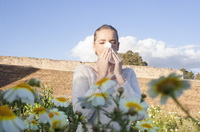
✵Tips: Some people have allergies, such as nasal sensitivity or hay fever; these are manifestations of accumulated cold pathogen. Taking Chinese patent medicines suited to one’s individual constitution—such as tonics or pills—can eliminate the root cause of disease.

 Introduction: Sneezing is a natural physiological mechanism by which the body expels irritants or foreign particles from the nasal passages. In traditional Chinese medicine (TCM), it is regarded as an outward expression of the resuscitation of Yang Qi—a sign that the body’s vital energy is rising and actively dispelling pathogenic factors. It is also an ancient therapeutic method used to expel wind-cold.
 Conventional Western cold medications often suppress the body’s natural expulsion of pathogenic wind-cold—reducing sneezing and rhinorrhea while forcibly retaining pathogens internally. Prolonged suppression may lead to serious complications. Sneezing, like coughing, is a protective respiratory reflex. Although many consider public sneezing impolite—and thus consciously suppress it—this habit harms health. A case recorded in Wang Mengying’s Medical Cases illustrates this: Sima Zhang Yannong fell gravely ill and complained of profound fatigue and exhaustion. Wang Mengying diagnosed him with depressed Yang Qi. When asked why, Wang replied: “Indeed, this condition has persisted for a year. Why? Because Yang Qi remains stagnant. Though Zhang Zhongjing mentioned this concept in antiquity, he did not formalize a treatment method. What if we induce a sneeze—say, via Bo Gong’s method?” Even a renowned physician like Wang Mengying paid close attention to whether a patient could sneeze—not because sneezing is merely a nasal disorder or a simple response to mucosal irritation, but because it reflects the dynamic balance of Yin and Yang in the human body: a natural, inevitable manifestation of the body’s self-healing response and its triumph over disease.
 Why Eyes Close During Sneezing: When sneezing, facial muscles—including over 100—undergo coordinated contraction and relaxation. The nervous system must concentrate intensely to execute this complex reflex arc; closing the eyes reduces external sensory interference. Many have experienced this: when feeling an impending sneeze, a sudden conversation or physical touch (e.g., a pat on the shoulder) may abort it entirely. Therefore, successful active sneezing requires an undisturbed environment. To induce it: tear off a strip of toilet paper about 15 cm long, roll it tightly between your fingers into a firm, slender cylinder, and gently insert both ends simultaneously into the nostrils—the tip should lightly contact the nasal vestibule for optimal stimulation. Alternatively, inhale a small amount of ground pepper or stand near chili peppers while cutting them—but take care not to contaminate food. In daily life, when sneezing naturally occurs, cover your nose and mouth with your hand or elbow, and direct the expelled air downward to minimize droplet dispersion and prevent germ transmission. In private settings—where no others are present—you may sneeze freely. After sneezing, promptly wipe nasal discharge with tissue and discard it hygienically.
 ✵1. Pathogen Clearance: During a sneeze, nasal airflow velocity can reach up to 177 km/h. This high-speed expulsion thoroughly clears the upper respiratory tract, expelling irritants and pathogens. Medically, a single sneeze can aerosolize and eject 40,000–100,000 bacteria or viruses within a 2–3 meter radius.
 ✵4. Supporting Management of Premature Ejaculation: In TCM, the Five Zang Organs correspond to the Five Elements. While sneezing itself is not a direct cure, stimulating the nasal orifice—closely linked to the brain and governing the “Sea of Marrow”—may help regulate nervous sensitivity and support holistic management of premature ejaculation as part of a broader therapeutic strategy.
