Introduction: The human body has self-protective mechanisms in response to disease. For example, fever is a natural defense mechanism; at such times, it is generally advisable not to suppress fever indiscriminately with medication. Instead, learn to support the body’s febrile response—this can help expel pathogens.
There is no concept of “cold” as a disease entity in Traditional Chinese Medicine (TCM). In TCM, “cold” and “fever” are merely manifestations or symptoms—not diseases themselves. The classical works Shang Han Lun (Treatise on Febrile Diseases) is a foundational work addressing externally contracted febrile disorders. External syndromes—including wind-cold, wind-heat, summer-heat, dampness, and fire—are categorized according to pathogenic influences. As stated in the text: “When cold pathogens bind externally, Yang Qi cannot diffuse outward and thus becomes depressed and transforms into heat.”
The Benefits of Fever
As elucidated in the Shang Han Lun, cold and fever manifest primarily at the superficial (wei) level—not deep within the organs. Fever represents the body’s defensive reaction to various pathogenic insults. Therefore, using cold-natured herbs or drugs solely to “reduce fever” is fundamentally misguided—even if fever appears temporarily lowered. The internal organs (zang-fu) and brain are typically unaffected in such cases; yet anti-inflammatory medications may damage the heart and kidneys. Likewise, intravenous fluids, ice pillows, or ice packs may drive heat, dampness, and cold pathogens deeper into the interior. Whether the IV fluid administered is nutritional or diuretic—does it truly address the root pathology?
In highly developed countries such as the United States, antibiotics are rarely prescribed for common colds or fevers. Antibiotic regulation in the U.S. is stricter than firearm control. Consider how many years it takes to develop a new antibiotic—and how readily human bacteria acquire resistance to existing ones! Moreover, antibiotics are ineffective against viral infections and carry significant side effects.
Summer colds caused by heat, dampness, dryness, or fire—with accompanying fever—may be misdiagnosed as winter-type typhoid (a “cold-damage” pattern), leading to inappropriate treatment with sweating or anti-inflammatory methods. This may drive external pathogens—such as wind-heat, dampness, dryness, or cold—deeper into the heart and kidneys, potentially resulting in encephalitis or meningitis. In TCM, these conditions are termed jue jing (firm spasm), rou jing (gentle spasm), or acute/slow convulsions—names that clearly indicate a disorder of channel and collaterals, not “brain overheating.”
To accurately assess fever, temperature should be measured at the same location, along the same meridian, and at the same time of day—comparing relative differences rather than relying solely on thermometer readings. Some conditions produce fever only in the afternoon, not the morning—a phenomenon well documented and interpreted in TCM.
Colds account for the majority of common febrile illnesses; relief often follows spontaneous sweating. Patients with fever but no thirst may benefit from warm ginger-sugar porridge or hot milk, followed by covering with thick bedding to encourage pore opening and sweating—hospital visits are usually unnecessary. When thirsty, drink water; absence of thirst indicates no immediate need for hydration—excessive boiled water intake is unnecessary. If cold water is desired, moderate consumption may aid thermoregulation—but forced overhydration is unwarranted.
Benefits of Fever
✵1. Restoring Balance: Cold symptoms reflect the body’s attempt to reestablish homeostasis—providing a physiological advantage that supports overall health.
✵2. Stimulating Immunity: Avoiding suppression of the body’s innate febrile defense strengthens immune competence. Children experiencing recurrent fevers often develop greater resilience; conversely, insufficient early immune challenge may predispose to later allergic disorders.
✵3. Protecting the Body: Misunderstanding the nature of cold and fever leads to inappropriate interventions—e.g., IV fluids, ice application—which introduce extraneous substances and may even drive pathogens inward. Refraining from unnecessary antibiotics reflects personal responsibility for health. While antibiotics are indispensable in certain acute surgical or severe bacterial infections, they are not required to manage the body’s natural febrile response.
✵4. Reducing Complications: Early, appropriate management of cold and fever minimizes subsequent complications—such as otitis media, sinusitis, or frontal sinusitis. Even when complications arise, antibiotics should not be used indiscriminately; instead, etiology must be identified and treatment tailored accordingly.

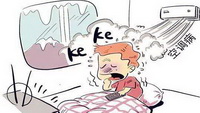 Introduction: The human body has self-protective mechanisms in response to disease. For example, fever is a natural defense mechanism; at such times, it is generally advisable not to suppress fever indiscriminately with medication. Instead, learn to support the body’s febrile response—this can help expel pathogens.
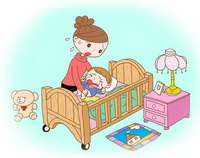 As elucidated in the Shang Han Lun, cold and fever manifest primarily at the superficial (wei) level—not deep within the organs. Fever represents the body’s defensive reaction to various pathogenic insults. Therefore, using cold-natured herbs or drugs solely to “reduce fever” is fundamentally misguided—even if fever appears temporarily lowered. The internal organs (zang-fu) and brain are typically unaffected in such cases; yet anti-inflammatory medications may damage the heart and kidneys. Likewise, intravenous fluids, ice pillows, or ice packs may drive heat, dampness, and cold pathogens deeper into the interior. Whether the IV fluid administered is nutritional or diuretic—does it truly address the root pathology?
 Summer colds caused by heat, dampness, dryness, or fire—with accompanying fever—may be misdiagnosed as winter-type typhoid (a “cold-damage” pattern), leading to inappropriate treatment with sweating or anti-inflammatory methods. This may drive external pathogens—such as wind-heat, dampness, dryness, or cold—deeper into the heart and kidneys, potentially resulting in encephalitis or meningitis. In TCM, these conditions are termed jue jing (firm spasm), rou jing (gentle spasm), or acute/slow convulsions—names that clearly indicate a disorder of channel and collaterals, not “brain overheating.”
 Colds account for the majority of common febrile illnesses; relief often follows spontaneous sweating. Patients with fever but no thirst may benefit from warm ginger-sugar porridge or hot milk, followed by covering with thick bedding to encourage pore opening and sweating—hospital visits are usually unnecessary. When thirsty, drink water; absence of thirst indicates no immediate need for hydration—excessive boiled water intake is unnecessary. If cold water is desired, moderate consumption may aid thermoregulation—but forced overhydration is unwarranted.
 ✵1. Restoring Balance: Cold symptoms reflect the body’s attempt to reestablish homeostasis—providing a physiological advantage that supports overall health.
 ✵3. Protecting the Body: Misunderstanding the nature of cold and fever leads to inappropriate interventions—e.g., IV fluids, ice application—which introduce extraneous substances and may even drive pathogens inward. Refraining from unnecessary antibiotics reflects personal responsibility for health. While antibiotics are indispensable in certain acute surgical or severe bacterial infections, they are not required to manage the body’s natural febrile response.
