Introduction: Sweating is a natural excretory function of the skin, helping eliminate metabolic waste products. Appropriate sweating—induced internally through physiological or therapeutic means—can expel residual toxins, regulate body temperature, and moisturize the skin. It is a beneficial habit for both physical and mental health.
Ancient and Modern Insights: The classical works Su Wen · Yu Ji Zhen Zang Lun states that the benefits of sweating include: “When the body sweats, bowel movements and urination become easier; thus, excess pathogenic factors are resolved.” It further explains: “Since the pathogen resides at the exterior level, inducing perspiration dispels it”; “In cases of excess, dispersion and purgation are indicated”; and “Because sweat is light and volatile, its method is called ‘diaphoresis’.” These passages define the principle and clinical application of the sweating (diaphoretic) treatment strategy.
What Are the Benefits of Sweating?
Summer’s high ambient temperatures provide nature’s optimal opportunity for sweating and detoxification. Yet many people now remain indoors in air-conditioned environments and avoid outdoor activity altogether. In particular, professionals under high work stress should actively promote sweating. While some toxins are excreted via stool and urine, others—especially heavy metals and lipid-soluble compounds—rely primarily on sweat for elimination. Prolonged anhidrosis (lack of sweating) may lead to internal accumulation of pathogenic substances—a concept TCM terms “bu tong han” (obstructed sweating), distinct from pathological sweating patterns such as night sweats, palmar hyperhidrosis, gustatory sweating, or spontaneous sweating indicative of underlying imbalance. When abnormal sweating occurs, proper pattern differentiation (syndrome identification) and targeted treatment are essential.
Heat naturally triggers sweating; aerobic exercise is also highly effective for promoting perspiration. Additional options include sauna use—or, for deeper thermal stimulation, combining 40–50 minutes of moderate-intensity running followed by sauna exposure. Note, however, that conventional saunas primarily induce superficial (epidermal) sweating; they do not facilitate deep-tissue toxin mobilization. For more profound detoxification, far-infrared sweat cabins may offer enhanced penetration and systemic effects.
During summer exercise, aim for moderate, sustained sweating. Excessive sweating within a short timeframe may deplete Yang Qi. Hydration is essential—replenish fluids with electrolyte-balanced water (e.g., adding a pinch of salt), and consume calcium-rich foods such as dairy products, fish, seafood, and leafy vegetables. After exercise, promptly rinse the skin to maintain cleanliness and dryness—this prevents fungal overgrowth in warm, moist, occlusive conditions. Pat dry thoroughly with a clean towel. Wear breathable footwear; individuals prone to foot sweating should choose cotton socks to reduce risk of tinea pedis (athlete’s foot).
Health Benefits of Sweating
✵1. Thermoregulation: Sweat glands act as the body’s “natural air conditioner.” As ambient temperature rises, cutaneous blood vessels dilate, allowing plasma-derived fluid to reach the skin surface, where evaporation dissipates heat and lowers core temperature—thereby supporting immune resilience.
✵2. Heat Acclimatization: Regular exercisers exhibit significantly increased synthesis of heat-shock proteins, enhancing thermotolerance and resistance to heatwaves. Conversely, sedentary individuals experience reduced sweat gland responsiveness over time—leading to diminished sweating capacity, impaired heat dissipation, and heightened risk of heatstroke. This vulnerability is especially pronounced among older adults, women, and children, whose heatstroke may rapidly progress to hyperthermia and convulsions. Patients with hypertension, coronary artery disease, or diabetes face elevated risks of stroke or myocardial infarction during extreme heat exposure.
✵3. Detoxification and Potential Cancer Risk Reduction: Studies show that marathon runners (completing ≥30 km daily) excrete measurable amounts of toxic heavy metals—including cadmium, lead, copper, and nickel—in their sweat. While sweating contributes to eliminating bioaccumulated toxins, claims that “marathoners don’t get cancer” due solely to sweating are unsupported by epidemiological evidence. Urine does excrete heavy metals—but sweat accounts for a substantially higher proportion (estimated 5- to 10-fold greater than urinary excretion for certain metals). Though sweating aids detoxification, no rigorous scientific evidence confirms it “completely removes accumulations” or “effectively prevents cancer.” Therefore, while regular sweating supports metabolic clearance, it should be viewed as one complementary component—not a standalone cancer prevention strategy.
✵4. Weight Management and Skin Health: Evaporative cooling from sweat induces a refreshing sensation and positively influences mood and mental clarity. The energy cost of sweat evaporation modestly increases metabolic rate, potentially aiding fat oxidation and weight management. Crucially, systemic sweating—when physiologically appropriate—imposes no undue burden on the body. It stimulates autonomic nervous system balance, enhances cellular metabolism, facilitates removal of metabolic waste, and promotes healthy skin tone and texture.
✵5. Skin Protection: Lactic acid in sweat and fatty acids secreted by sebaceous glands form a mildly acidic chemical barrier that inhibits bacterial growth. Avoiding sweating entirely—by staying constantly cool and refreshed—disrupts the skin’s natural acidic pH, compromises its antimicrobial defense, and creates favorable conditions for bacterial proliferation. In chronic inflammatory skin disorders such as psoriasis—where impaired microcirculation is a key pathological feature—lesional skin typically exhibits anhidrosis (absence of sweating), whereas non-lesional, frequently sweating areas remain unaffected.

 Introduction: Sweating is a natural excretory function of the skin, helping eliminate metabolic waste products. Appropriate sweating—induced internally through physiological or therapeutic means—can expel residual toxins, regulate body temperature, and moisturize the skin. It is a beneficial habit for both physical and mental health.
 Summer’s high ambient temperatures provide nature’s optimal opportunity for sweating and detoxification. Yet many people now remain indoors in air-conditioned environments and avoid outdoor activity altogether. In particular, professionals under high work stress should actively promote sweating. While some toxins are excreted via stool and urine, others—especially heavy metals and lipid-soluble compounds—rely primarily on sweat for elimination. Prolonged anhidrosis (lack of sweating) may lead to internal accumulation of pathogenic substances—a concept TCM terms “bu tong han” (obstructed sweating), distinct from pathological sweating patterns such as night sweats, palmar hyperhidrosis, gustatory sweating, or spontaneous sweating indicative of underlying imbalance. When abnormal sweating occurs, proper pattern differentiation (syndrome identification) and targeted treatment are essential.
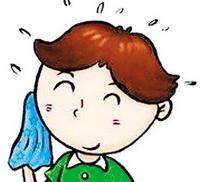 Heat naturally triggers sweating; aerobic exercise is also highly effective for promoting perspiration. Additional options include sauna use—or, for deeper thermal stimulation, combining 40–50 minutes of moderate-intensity running followed by sauna exposure. Note, however, that conventional saunas primarily induce superficial (epidermal) sweating; they do not facilitate deep-tissue toxin mobilization. For more profound detoxification, far-infrared sweat cabins may offer enhanced penetration and systemic effects.
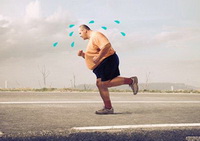 ✵1. Thermoregulation: Sweat glands act as the body’s “natural air conditioner.” As ambient temperature rises, cutaneous blood vessels dilate, allowing plasma-derived fluid to reach the skin surface, where evaporation dissipates heat and lowers core temperature—thereby supporting immune resilience.
