The Visible Appearance of Superficial Veins Across the Body
Introduction.
Introduction: The visibility of superficial veins—often perceived as “blue veins”—reflects underlying physiological or pathological conditions. Hand veins, in particular, may correlate with visceral function and circulatory status.
The Visible Appearance of Superficial Veins Across the Body
✵1. Dorsal Hand Veins: Prominent venous engorgement on the back of the hand may indicate lumbar stagnation or Qi and Blood stasis in the lower back. Associated symptoms include low back pain, muscle strain, fatigue, and generalized weakness. Clinically, greater prominence often correlates with more severe or chronic lumbar discomfort.
✵2. Finger Joint Veins: The metacarpophalangeal joints correspond—within Traditional Chinese Medicine (TCM) meridian theory—to the transverse colon. In children, visible veins here may accompany digestive dysfunction (e.g., dyspepsia); in adults, they may reflect compromised cerebral microcirculation, manifesting as dizziness, headache, or, in severe cases, cerebrovascular risk.
Specifically, bluish, tortuous, or purple-black veins along the horizontal creases of the metacarpophalangeal joints suggest possible cerebral arteriosclerosis.
✵3. Palmar Veins: Bluish veins concentrated in the thenar eminence (the fleshy area beneath the thumb) are commonly associated with lumbar discomfort, leg pain, and lower-limb rheumatic joint disorders.
Visible Veins in Other Body Regions
✵1. Temporal Region: Protruding bluish veins at the temples often signal dizziness, headache, or early-stage cerebral arteriosclerosis; deep purple-black discoloration heightens concern for cerebrovascular events.
✵2. Forehead: Persistent bluish venous visibility may reflect chronic physical exertion, mental tension, occupational stress, or emotional strain.
✵3. Nasal Bridge: In children, bluish veins here frequently indicate digestive stasis—particularly involving the stomach and intestines—manifesting as abdominal distension, indigestion, constipation, or recurrent abdominal pain; darkening to purple suggests worsening accumulation.
✵4. Periorbital Area (Under the Eyes): While traditional aphorisms link periorbital discoloration to Spleen or Kidney deficiency (“Spleen deficiency → puffiness; Kidney deficiency → darkness”), modern clinical observation associates prominent bluish subconjunctival or periorbital veins with gynecological imbalances—including menstrual irregularities and hormonal dysregulation.
✵5. Perioral or Cheek Region: Bluish veins near the corners of the mouth or on the cheeks may indicate gynecological disorders, Dampness accumulation, fatigue, low back and knee soreness, or lower-limb rheumatic conditions.
✵6. Thoracic Region: Bluish venous prominence over the chest—especially around the breasts—may accompany breast distension, emotional constraint (Liver Qi stagnation), or warrant evaluation for benign mammary gland hyperplasia.
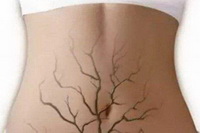
✵7. Abdominal Region: Extensive, serpiginous bluish veins traversing the abdominal wall (“caput medusae”) signify severe Qi and Blood stasis. In adults, this finding strongly correlates with advanced liver disease (e.g., cirrhosis with portal hypertension and ascites) or late-stage malignancy; such presentations typically indicate complex, difficult-to-manage pathology.

 Introduction: The visibility of superficial veins—often perceived as “blue veins”—reflects underlying physiological or pathological conditions. Hand veins, in particular, may correlate with visceral function and circulatory status.
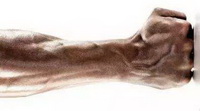 ✵1. Dorsal Hand Veins: Prominent venous engorgement on the back of the hand may indicate lumbar stagnation or Qi and Blood stasis in the lower back. Associated symptoms include low back pain, muscle strain, fatigue, and generalized weakness. Clinically, greater prominence often correlates with more severe or chronic lumbar discomfort.
 ✵1. Temporal Region: Protruding bluish veins at the temples often signal dizziness, headache, or early-stage cerebral arteriosclerosis; deep purple-black discoloration heightens concern for cerebrovascular events.
 ✵4. Periorbital Area (Under the Eyes): While traditional aphorisms link periorbital discoloration to Spleen or Kidney deficiency (“Spleen deficiency → puffiness; Kidney deficiency → darkness”), modern clinical observation associates prominent bluish subconjunctival or periorbital veins with gynecological imbalances—including menstrual irregularities and hormonal dysregulation.
