Introduction: Urine is a fluid produced by the kidneys and discharged through the ureters and bladder. It is healthy and correct habit to discharge urine in time when having urine intention.
Ancient scholar Su Dongpo recorded in his work Yang Sheng Za Ji (Health Preservation Miscellaneous Records): “To live long, urinate clearly; to live long, urinate cleanly.” Clear and clean urine signifies normal water metabolism in the human body and effective elimination of waste. Similarly, the ancient works Lao Lao Heng Yan (Constant Sayings for the Elderly) states: “Urination yields benefit alone.” Maintaining clean, clear urine is an essential component of good health. The classical medical works Qian Jin Yao Fang (Essential Prescriptions Worth a Thousand Gold) notes: “Urinary incontinence or retention leads to cold knees and impediment,” underscoring the importance of timely urination.
There is urine — go to urinate immediately.
The medical term for voluntarily suppressing the urge to urinate is “urinary retention.” As the proverb says, “Running water does not rot.” Normal micturition not only eliminates metabolic waste but also exerts a self-cleansing effect on the urinary system. Traditional Chinese Medicine (TCM) holds that urination is the primary pathway for expelling turbid residues following water metabolism — a process closely associated with the lungs, spleen, kidneys, and bladder. In the entire process of fluid metabolism, Kidney Qi serves as the fundamental motive force, regulating the functional activity of each step; hence the TCM theory “the kidneys govern water.” The quality of water metabolism reflects the functional integrity of the Zang-Fu organs — especially the vigor of Kidney Qi.
How to reduce the likelihood of urinary retention:
Upon sensing the urge to urinate, go to the restroom promptly. Do not suppress the urge by reducing or avoiding water intake — doing so is highly detrimental to health. During urination, avoid straining or breath-holding. For individuals with physical weakness, squatting or sitting while urinating is recommended to allow slow, complete voiding and prevent excessive strain on the kidneys.
How to minimize urinary retention when away from home: (1) Urinate once before leaving home to empty the bladder, thereby reducing the likelihood of urgency during activities such as shopping;
(2) When studying, working, or attending meetings outside, make full use of break times to access restroom facilities;
(3) Many older adults fear catching a chill at night; placing a thick robe beside the bed allows them to dress quickly upon sensing the urge — helping prevent both nocturnal cold exposure and the harms of urinary retention.
What if the bladder is already full? Besides emptying it as soon as possible, a better approach is to drink ample water and consciously urinate several times — a practice that helps flush the bladder and inhibit bacterial proliferation.
The Dangers of Chronic Urinary Retention
✵1. Kidney Health: Prolonged urinary retention allows urine — and potentially bacteria — to reflux from the bladder into the renal pelvis, causing vesicoureteral reflux, pyelonephritis, and, over time, structural damage to the renal parenchyma, potentially progressing to renal failure.
✵2. Bladder Health: Chronic urinary retention predisposes individuals to cystitis, urethritis, and other urinary tract infections. Moreover, prolonged exposure of the bladder mucosa to urinary carcinogens increases the risk of bladder stones and even bladder cancer.
✵3. Bladder Function: Long-term urinary retention can lead to detrusor muscle decompensation, reduced bladder wall elasticity, and impaired voiding function. This may result in increasing urinary frequency, prolonged micturition time, urinary incontinence, and — in severe cases — hydronephrosis, azotemia, and uremia.
✵4. Cardiovascular Protection: The physiological and psychological stress induced by urinary retention can elevate blood pressure and heart rate in hypertensive patients, and trigger angina pectoris or arrhythmias in those with coronary artery disease. In severe cases, it may precipitate acute cardiovascular events, including sudden cardiac death.
✵5. Uterine Health: A distended bladder exerts pressure on the uterus, potentially causing retroversion. Repeated or chronic retention may impair uterine repositioning, leading to menstrual outflow obstruction, worsening dysmenorrhea, and lumbosacral pain due to compression of the sacral plexus. It may also cause dyspareunia.
✵6. Prevention of Syncope: Micturition syncope occurs most commonly in men aged 20–30, though it may also affect older adults. It is typically triggered by sudden, forceful voiding — especially after prolonged retention — which causes transient intrathoracic pressure elevation and cerebral hypoperfusion. Additionally, rapid bladder emptying following excessive retention (e.g., in cold weather) can activate the vagus nerve, inducing bradycardia and reflex syncope.
✵7. Dampness Resolution in Traditional Chinese Medicine (TCM): Ancient sages stated, “To treat dampness without promoting urination is not truly treating it,” emphasizing that diuresis is essential for expelling pathogenic dampness. Damp-heat syndrome arises from the intermingling of dampness and heat; the phrase “dampness infiltrates under heat” essentially signifies that “urination facilitates the elimination of both dampness and heat.” As another classical TCM principle states: “Yang Qi flourishes not by suppressing dampness, but by ensuring free and unimpeded urination.” These insights underscore the pivotal role of urination in resolving damp-heat patterns.
✵Tips: When using public restrooms, consider disposable toilet seat covers to reduce the risk of cross-infection.

 Introduction: Urine is a fluid produced by the kidneys and discharged through the ureters and bladder. It is healthy and correct habit to discharge urine in time when having urine intention.
 The medical term for voluntarily suppressing the urge to urinate is “urinary retention.” As the proverb says, “Running water does not rot.” Normal micturition not only eliminates metabolic waste but also exerts a self-cleansing effect on the urinary system. Traditional Chinese Medicine (TCM) holds that urination is the primary pathway for expelling turbid residues following water metabolism — a process closely associated with the lungs, spleen, kidneys, and bladder. In the entire process of fluid metabolism, Kidney Qi serves as the fundamental motive force, regulating the functional activity of each step; hence the TCM theory “the kidneys govern water.” The quality of water metabolism reflects the functional integrity of the Zang-Fu organs — especially the vigor of Kidney Qi.
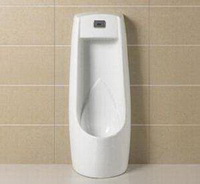 How to reduce the likelihood of urinary retention:
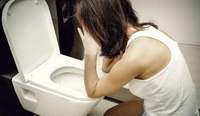 ✵1. Kidney Health: Prolonged urinary retention allows urine — and potentially bacteria — to reflux from the bladder into the renal pelvis, causing vesicoureteral reflux, pyelonephritis, and, over time, structural damage to the renal parenchyma, potentially progressing to renal failure.
