Health Preservation Principles for Eight Body Constitutions.
Health Preservation Principles for Eight Body Constitutions
Introduction: Introduction: According to Traditional Chinese Medicine (TCM) theory and clinical practice—including symptomatology, pulse diagnosis, and tongue examination—there are eight primary constitutional types: Yin-deficiency constitution, Yang-deficiency constitution, Qi-deficiency constitution, Blood-deficiency constitution, Yang-excess constitution, Blood-stasis constitution, Phlegm-Dampness constitution, and Qi-stagnation constitution. Specific health preservation methods for each are introduced below:
Health Preservation Principles for Yin-Deficiency Constitution.
Introduction: This section outlines the physical characteristics, health preservation principles, and lifestyle regimens specific to the Yin-deficiency constitution.
(1) Physical Characteristics: Individuals with this constitution tend to be slender; have a reddish complexion; experience dry mouth and throat; feel intermittent cardiac irritation; suffer from heat sensations in the palms and soles; exhibit insomnia; pass dry stools; produce dark-yellow urine; show low tolerance for spring and summer; prefer cold beverages; display a fine and rapid pulse; and present with a red tongue bearing scanty or absent coating. When disease manifests, these symptoms intensify or are accompanied by organ-specific patterns: dry cough with scanty sputum, tidal fever, and night sweats (Lung-Yin deficiency); palpitations, forgetfulness, insomnia, and vivid dreams (Heart-Yin deficiency); lower back pain, dizziness, tinnitus, spermatorrhea (in men), or reduced menstrual flow (in women) (Kidney-Yin deficiency); or hypochondriac pain, blurred or dim vision (Liver-Yin deficiency).
(2) Principle of Health Preservation: Nourish Yin and clear Heat; nourish the Liver and Kidneys. Since Yin deficiency is the core imbalance, replenishing Yin is paramount. Among the five Zang organs, the Liver stores Blood and the Kidneys store Essence—both reside in the Lower Jiao. Therefore, priority should be given to nourishing the Liver and Kidneys.
(3) Lifestyle Regimen:
• Spiritual Cultivation: Individuals with this constitution often display irritability and emotional volatility—symptoms arising from excessive Fire due to Yin deficiency, which disturbs the Shen (Spirit/Mind). In daily life, avoid heated debates over trivial or non-principled matters to minimize anger; choose recreational activities that are non-competitive and calming.
• Environmental Adjustment: Due to their inherent tendency toward internal Heat—evidenced by thin build, heat in the palms and soles, dry mouth and throat, heat intolerance, and preference for cold—these individuals fare better in winter but feel particularly uncomfortable in hot, humid summers. During summer, they should actively avoid excessive heat exposure.
• Dietary Regulation: To protect Yin and subdue Yang, diet should avoid rich, greasy, pungent, or overly drying foods. Favor mild, moistening, Yin-nourishing foods such as sesame seeds, glutinous rice, honey, dairy products, sugar cane, and freshwater fish. Limit intake of strongly acrid and warming foods—including scallions, ginger, garlic, leeks, onions, and chili peppers.
• Moderation in Sexual Activity: Since Jing (Essence) belongs to Yin, excessive sexual activity depletes Jing and further aggravates Yin deficiency. Therefore, sexual activity should be moderated appropriately.
Health Preservation Principles for Yang-Deficiency Constitution
Introduction: This section outlines the physical characteristics, health preservation principles, and lifestyle regimens specific to the Yang-deficiency constitution.
(1) Physical Characteristics: Individuals with this constitution typically appear pale or sallow, with a dull, lusterless complexion; feel cold easily and prefer warmth; experience fatigue and limb weakness; produce copious amounts of clear urine; suffer from loose stools; have pale lips and a bland taste sensation in the mouth; exhibit spontaneous sweating; display a deep (sunken) and weak pulse; and present with a pale, swollen tongue.
When pathogenic Cold invades or Yang deficiency worsens, symptoms intensify or manifest as organ-specific patterns: cold limbs, aversion to cold, curling up for warmth, or chronic abdominal pain relieved by warmth and massage; generalized edema or facial swelling accompanied by oliguria; cold-type low back pain with watery diarrhea containing undigested food; impotence, spermatorrhea, or uterine cold leading to infertility; chest pain radiating to the back, cough, wheezing, and palpitations; or nocturia and urinary incontinence.
(2) Principle of Health Preservation: Expel Cold and warm the Spleen and Kidneys. Since replenishing Yang is the primary therapeutic goal in Yang deficiency, emphasis must be placed on strengthening these two Zang organs. Among the five Zang, the Kidneys are the root of Yang Qi, while the Spleen serves as the pivotal site for Yang Qi transformation—thus, both Kidney and Spleen require targeted tonification.
(3) Lifestyle Regimen:
• Spiritual Cultivation: As stated in the Huangdi Neijing: "When Liver-Qi is deficient, fear arises"; and "When Heart-Qi is deficient, sorrow arises." These passages indicate that Qi deficiency in specific Zang organs predisposes individuals to corresponding emotional disturbances.
Traditional Chinese Medicine holds that Yang deficiency often evolves from prolonged Qi deficiency; therefore, individuals with Yang- or Qi-deficiency constitutions commonly exhibit low mood, sadness, and emotional fragility. Cultivating resilience and regulating emotions—by avoiding excessive sorrow, fear, and anger—is essential to mitigate the adverse effects of negative emotions.
• Environmental Adjustment: Individuals with this constitution tend to feel cold in both body and limbs, strongly prefer warmth, and tolerate spring and summer well but struggle during autumn and winter. Hence, environmental regulation is especially critical to enhance resistance. It is recommended that, during summer, one receive moderate sun exposure—approximately 20–30 sessions, each lasting 15–20 minutes under natural sunlight—to support Yang throughout the year.
Elderly and frail individuals should avoid sleeping outdoors in summer, direct fan exposure, and prolonged stays in shaded, cool areas.
• Physical Exercise: As the classic principle states, "Movement engenders Yang." Therefore, daily exercise—once or twice per day across all seasons—is advised. Activities should be selected according to individual physical capacity and tolerance.
• Dietary Regulation: Prioritize foods that tonify Yang, such as mutton and chicken. Following the seasonal principle "Nourish Yang in spring and summer," consuming mutton and processed aconite root soup several times during summer aligns with the ascending, expansive movement of Yang in nature—and thereby strengthens the body’s Yang.
Health Preservation Principles for Qi-Deficiency Constitution
Introduction: This section outlines the physical characteristics, health preservation principles, and lifestyle regimens specific to the Qi-deficiency constitution.
(1) Physical Characteristics: Individuals may appear either emaciated or overweight with soft, flaccid flesh; feel chronically fatigued and weak; exhibit a pale, lusterless complexion; speak in a low, feeble voice; sweat spontaneously—especially during exertion; experience palpitations and poor appetite; display a pale tongue with a thin white coating; and manifest a weak pulse. These constitute the core features.
When the condition worsens, accompanying symptoms may include shortness of breath, reluctance to speak, cough, wheezing, and general debility; reduced food intake with abdominal distension and loose stools; prolapse of the rectum or uterus; palpitations and mental exhaustion; or soreness and weakness in the lower back and knees, frequent urination, premature ejaculation (in men), or profuse, thin, clear leukorrhea (in women).
(2) Principle of Health Preservation: Supplement and support Qi. The Lungs govern Qi formation; the Kidneys store Essential Qi; and the Spleen and Stomach serve as the "source and transformation hub of Qi." Therefore, warming and invigorating the Spleen, Stomach, Lungs, and Kidneys is fundamental.
(3) Lifestyle Regimen:
• Dietary Regulation: Favor Qi-tonifying foods such as rice, glutinous rice, millet, yellow rice, barley, yams, Job’s tears (coix seed), naked oats, potatoes, jujubes (dates), carrots, shiitake mushrooms, tofu, chicken, rabbit, quail, beef, herring, and chub fish. In cases of severe Qi deficiency, herbal supplementation may be indicated under professional guidance.
Health Preservation Principles for Blood Deficiency Constitution.
Introduction: Physical characteristics of the Blood Deficiency body constitution, principles of health preservation, and health regimens, etc.
(1) Physical characteristics: The facial complexion is pale or sallow; lips are pale or white; symptoms include dizziness, blurred or dim vision, palpitations, insomnia, numbness in the hands and feet, a pale tongue, and a weak pulse.
(2) Principle of health preservation: Tonify blood and qi.
(3) Health regimen:
Spiritual recuperation: People with blood deficiency often experience depression, insomnia, forgetfulness, and poor concentration; therefore, they should uplift their spirit. When upset or in low spirits, listening to music, watching dramas or humorous pantomimes may help cheer them up.
Daily life regulation: Avoid prolonged visual strain ("long-term seeing"), as it injures the blood; avoid overwork and excessive mental exertion.
Dietary regulation: Consume foods that nourish the blood more frequently—such as mulberries, lychees, pine nuts, black fungus, spinach, carrots, pork, lamb, beef liver, lamb liver, soft-shelled turtle, sea cucumber, and butterfish.
Health Preservation Principles for Yang-Excess Constitution.
Introduction: Physical characteristics of the Yang-Excess body constitution, principles of health preservation, and health regimens, etc.
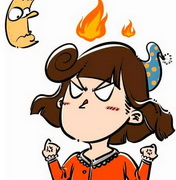
(1) Physical characteristics: Individuals are physically robust; facial complexion becomes reddened when vexed; voice is loud; they prefer cool environments and dislike heat; feel thirsty and favor cold drinks; urine is hot and dark red; stools are foul-smelling and may be constipated. These are characteristic signs.
In disease states, excess Yang readily transforms into heat, manifesting as high fever, a full and forceful pulse, intense thirst, and preference for cold drinks.
(2) Principle of health preservation: Nourish yin and subdue yang.
(3) Health regimen:
Spiritual recuperation: Individuals with Yang-excess constitution tend to become easily angered and irritable; thus, they should focus on cultivating virtue and willpower, fostering a balanced character, and using conscious self-regulation. When confronted with anger-provoking situations, they should employ rational thinking to control emotional impulses.
Physical exercise: Actively engage in physical activities to disperse excess yang. Swimming is especially beneficial; running, martial arts, and ball sports may also be selected according to personal interest.
Dietary regulation: Avoid pungent, dry, and heating foods—such as chili peppers, ginger, and scallions—and limit consumption of beef and chicken, which augment yang. Instead, consume more cooling fruits and vegetables—such as bananas, watermelons, tomatoes, bitter melon, and lotus root. Alcohol is inherently warming and ascending; individuals with Yang-excess constitution should abstain from alcohol.
Health Preservation Principles for Blood-Stasis Constitution.
Introduction: Physical characteristics of the Blood-Stasis body constitution, principles of health preservation, and health regimens, etc.
(1) Physical characteristics: Facial complexion is dull or dark; lips appear purplish or dark; eyelids are darkened; skin is dry and scaly; tendency toward easy bruising or bleeding; tongue is dark purple or exhibits petechiae; pulse is fine, choppy (or wiry and hesitant), or intermittent. When symptoms worsen, pain may occur in the head, chest, hypochondrium, lower abdomen, or limbs. Additional signs include purplish lips, spontaneous bleeding (e.g., epistaxis, hematemesis, melena), abdominal masses, and in women—dysmenorrhea, amenorrhea, menorrhagia, or metrorrhagia.
(2) Principle of health preservation: Activate blood circulation and resolve stasis.
(3) Health regimen:
Spiritual recuperation: Individuals with Blood-Stasis constitution should prioritize mental well-being and cultivate an optimistic outlook. A cheerful mood promotes smooth flow of qi and blood and harmonizes the ying (nutritive) and wei (defensive) systems—thus aiding improvement of the Blood-Stasis constitution. Conversely, emotional distress and depression may exacerbate blood stasis.
Physical exercise: Engage in heart-healthy, gentle activities—such as dancing, taijiquan, longevity exercises, or therapeutic massage—with emphasis on whole-body movement to promote qi and blood circulation.
Dietary regulation: Regularly consume foods that invigorate blood and dispel stasis—such as peach kernels, Chinese cabbage (cole), mushrooms, and black soybeans. A small amount of wine may be consumed; vinegar intake is encouraged. Hawthorn porridge and peanut porridge are also suitable choices.
Health Preservation Principles for Phlegm-Dampness Constitution.
Introduction: Physical characteristics of the Phlegm-Dampness body constitution, principles of health preservation, and health regimens, etc.
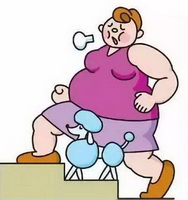
(1) Physical characteristics: Individuals tend to be overweight; have a preference for fatty, greasy, and sweet foods; feel fatigued and lethargic; are disinclined to physical activity; experience drowsiness; feel bodily heaviness and a sensation of being wrapped or weighed down; have a greasy taste in the mouth or loose stools; exhibit a soft and slippery pulse; and display a swollen tongue with a greasy coating.
In disease states, symptoms may include chest oppression and coughing with copious phlegm; reduced appetite and poor digestion, nausea, vomiting, and loose stools; edema in the limbs with pitting upon pressure, difficulty urinating or cloudy urine; heaviness and drowsiness in the head and body, joint pain and heaviness, or numbness in the skin and muscles; and in women—excessive leukorrhea.
(2) Principle of health preservation: Resolve phlegm and drain dampness.
(3) Health regimen:
Environmental adjustment: Avoid living in humid environments; during the rainy season, take precautions against external damp invasion.
Dietary regulation: Reduce intake of fatty, sweet, and greasy foods; avoid excessive alcohol consumption; and limit overall food quantity. Increase consumption of vegetables and fruits—especially those that strengthen the Spleen and resolve dampness—such as turnips, water chestnuts, seaweed, jellyfish, scallions, loquat fruit, dates (jujubes), lentils, coix seed (Job’s tears), red beans, soybeans, and cabbage.
Physical exercise: Individuals with Phlegm-Dampness constitution typically carry excess body fat, experience heaviness and easy fatigue, and thus should commit to long-term, regular physical activity. Suitable options include walking, jogging, ball sports, swimming, martial arts, and various forms of dance. Exercise intensity should be gradually increased to transform flaccid muscle and soft tissue into firm, dense musculature.
Health Preservation Principles for Qi-Stagnation Constitution.
Introduction: Physical characteristics of the Qi-Stagnation body constitution, principles of health preservation, and health regimens, etc.
(1) Physical characteristics: Body build is either slender or slightly overweight; facial complexion appears dull and pale, or sallow and emaciated; disposition tends toward irritability, excitability, or melancholy; sensations of chest tightness and discomfort are common; frequent sighing occurs; tongue is pale with a light pink hue; tongue coating is thin and white; pulse is wiry.
In disease states, manifestations may include distending or wandering pain in the chest and hypochondrium; distension and pain in the breasts and abdomen; irregular menstruation and dysmenorrhea; a sensation of a foreign body in the throat ("plum pit qi"); goiter; epigastric distension and pain with acid regurgitation and hiccups; abdominal pain with borborygmi and defecation difficulties; or rebellious Qi rising upward—causing headache, dizziness, epistaxis, or syncope.
(2) Principle of health preservation: Regulate and invigorate Qi flow.
(3) Health regimen:
Mood regulation: Individuals with this constitution tend to be introverted and frequently present with subdued or depressed affect. According to the *Huangdi Neijing*, “joy overcomes sorrow”; therefore, they should proactively seek joy—participate in social and group recreational activities, enjoy comedies, burlesques, and uplifting films and television programs—and avoid tragedies and sorrowful dramas. Listening to lively, cheerful, and stimulating music helps elevate mood. Reading positive, encouraging, and lighthearted books fosters an open-minded, broad-minded outlook—free from excessive attachment to fame, wealth, gain, or loss—and supports sustained emotional well-being.
Physical exercise: Engage regularly in physical activity and outdoor excursions. Such activities not only strengthen the body and promote smooth circulation of Qi and blood but also allow one to appreciate natural beauty, regulate the spirit, inhale fresh air, and absorb sunlight—thereby enhancing physical resilience.
Dietary regulation: A small amount of alcohol may be consumed to mildly invigorate blood vessels and uplift mood. Prioritize foods that regulate and move Qi—such as bergamot, oranges, tangerine peel, buckwheat, leeks, fennel greens, garlic, ham, sorghum bran, sword beans, and citron.

 Introduction: Introduction: According to Traditional Chinese Medicine (TCM) theory and clinical practice—including symptomatology, pulse diagnosis, and tongue examination—there are eight primary constitutional types: Yin-deficiency constitution, Yang-deficiency constitution, Qi-deficiency constitution, Blood-deficiency constitution, Yang-excess constitution, Blood-stasis constitution, Phlegm-Dampness constitution, and Qi-stagnation constitution. Specific health preservation methods for each are introduced below:
 Introduction: This section outlines the physical characteristics, health preservation principles, and lifestyle regimens specific to the Yin-deficiency constitution.
 (2) Principle of Health Preservation: Nourish Yin and clear Heat; nourish the Liver and Kidneys. Since Yin deficiency is the core imbalance, replenishing Yin is paramount. Among the five Zang organs, the Liver stores Blood and the Kidneys store Essence—both reside in the Lower Jiao. Therefore, priority should be given to nourishing the Liver and Kidneys.
 • Environmental Adjustment: Due to their inherent tendency toward internal Heat—evidenced by thin build, heat in the palms and soles, dry mouth and throat, heat intolerance, and preference for cold—these individuals fare better in winter but feel particularly uncomfortable in hot, humid summers. During summer, they should actively avoid excessive heat exposure.
 Introduction: This section outlines the physical characteristics, health preservation principles, and lifestyle regimens specific to the Yang-deficiency constitution.
 (3) Lifestyle Regimen:
 Introduction: This section outlines the physical characteristics, health preservation principles, and lifestyle regimens specific to the Qi-deficiency constitution.
 Introduction: Physical characteristics of the Blood Deficiency body constitution, principles of health preservation, and health regimens, etc.
 (3) Health regimen:
 Dietary regulation: Consume foods that nourish the blood more frequently—such as mulberries, lychees, pine nuts, black fungus, spinach, carrots, pork, lamb, beef liver, lamb liver, soft-shelled turtle, sea cucumber, and butterfish.
 Introduction: Physical characteristics of the Yang-Excess body constitution, principles of health preservation, and health regimens, etc.
 (3) Health regimen:
 Dietary regulation: Avoid pungent, dry, and heating foods—such as chili peppers, ginger, and scallions—and limit consumption of beef and chicken, which augment yang. Instead, consume more cooling fruits and vegetables—such as bananas, watermelons, tomatoes, bitter melon, and lotus root. Alcohol is inherently warming and ascending; individuals with Yang-excess constitution should abstain from alcohol.
 Introduction: Physical characteristics of the Blood-Stasis body constitution, principles of health preservation, and health regimens, etc.
 (3) Health regimen:
 Introduction: Physical characteristics of the Phlegm-Dampness body constitution, principles of health preservation, and health regimens, etc.
 (2) Principle of health preservation: Resolve phlegm and drain dampness.
 Introduction: Physical characteristics of the Qi-Stagnation body constitution, principles of health preservation, and health regimens, etc.
 (2) Principle of health preservation: Regulate and invigorate Qi flow.
 Physical exercise: Engage regularly in physical activity and outdoor excursions. Such activities not only strengthen the body and promote smooth circulation of Qi and blood but also allow one to appreciate natural beauty, regulate the spirit, inhale fresh air, and absorb sunlight—thereby enhancing physical resilience.
