Introduction: Tonics have a long history in Chinese health preservation. As the saying goes, "Tonic food is superior to tonic medicine." In spring—when all things sprout—it is an ideal time to nurture the body.
The tonic method employs herbs or foods with nourishing properties to replenish Qi and blood, balance Yin and Yang, support healthy Qi, and alleviate deficiency. Tonic food, as its name implies, refers to dietary practices aimed at strengthening physical constitution.
Through rational supplementation, tonics not only provide essential nutrients, regulate and enhance physiological functions, but also bolster the body’s resistance to disease—promoting health and longevity.
Principles for Tonics.
Introduction: Key principles guide the appropriate use of tonics:
(1) Use tonics only in cases of genuine deficiency. According to the Huangdi Neijing (the Yellow Emperor’s Internal Canon), kidney Qi begins to decline after age 40. Thus, individuals aged 40 and above may consider tonics—if clinical signs of deficiency are present.
(2) Differentiate syndromes precisely and select tonics accordingly. There is no universal “one-size-fits-all” tonic. Prior to use, syndrome differentiation must be performed—clearly distinguishing between Yang deficiency and Yin deficiency, Qi deficiency and Blood deficiency, and pathological versus physiological deficiency.
(3) Individualize based on constitution and physiology. Modern medical science confirms that blood type, temperament, and constitutional differences influence disease susceptibility and tolerance; therefore, tonic selection must be personalized.
Avoiding Common Misconceptions About Tonic Food
While tonic foods are widely recognized, their use is not as simple as adding red dates or sea cucumbers to meals. The core principle lies in achieving nutritional balance. When healthy older adults adopt tonic dietary practices, the following guidelines apply:
— Daily protein intake should average approximately 50 g, not exceeding 70 g, to avoid overburdening the kidneys, intestines, and stomach.
— Fat intake should be around 50 g per day.
— Adults over 60 should limit sugary foods; those over 70 should avoid added sugar entirely.
— Total daily food intake should remain near 300 g.
— At least 2,000 mL of water should be consumed daily—equivalent to about six 150–200 mL cups—to maintain hydration balance. Additional fluids may be obtained from food.
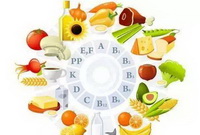
— If dietary vitamin intake is insufficient, multivitamin supplementation may be considered.
✵ Additionally, zinc deficiency in older adults warrants attention, as zinc plays a vital role in maintaining normal sexual function. How can one assess zinc status? A simple taste test is available: dissolve 1 g of zinc sulfate (commercially available) in 1,000 mL of distilled water; swish 5–10 mL in the mouth for 10 seconds. A perception of "dryness," "metallic taste," "furry sensation," or "sweetness" suggests potential zinc deficiency and possible benefit from supplementation. Conversely, if the taste is unpleasant—or severely so (e.g., loss of appetite, nausea)—zinc deficiency is unlikely. Zinc-rich foods include sesame seeds, fish, oysters, lean meat, black fungus, and certain traditional Chinese medicinal substances—such as Ligustrum lucidum, goji berries (Lycium barbarum), Solomon’s seal rhizome (Polygonatum odoratum), asparagus root (Asparagus cochinchinensis), Rehmannia root (Rehmannia glutinosa), and white chrysanthemum flowers (Chrysanthemum morifolium). Older adults may incorporate these into their diet.

 Introduction: Tonics have a long history in Chinese health preservation. As the saying goes, "Tonic food is superior to tonic medicine." In spring—when all things sprout—it is an ideal time to nurture the body.
 Through rational supplementation, tonics not only provide essential nutrients, regulate and enhance physiological functions, but also bolster the body’s resistance to disease—promoting health and longevity.
 Introduction: Key principles guide the appropriate use of tonics:
 While tonic foods are widely recognized, their use is not as simple as adding red dates or sea cucumbers to meals. The core principle lies in achieving nutritional balance. When healthy older adults adopt tonic dietary practices, the following guidelines apply:
 Additionally, zinc deficiency in older adults warrants attention, as zinc plays a vital role in maintaining normal sexual function. How can one assess zinc status? A simple taste test is available: dissolve 1 g of zinc sulfate (commercially available) in 1,000 mL of distilled water; swish 5–10 mL in the mouth for 10 seconds. A perception of "dryness," "metallic taste," "furry sensation," or "sweetness" suggests potential zinc deficiency and possible benefit from supplementation. Conversely, if the taste is unpleasant—or severely so (e.g., loss of appetite, nausea)—zinc deficiency is unlikely. Zinc-rich foods include sesame seeds, fish, oysters, lean meat, black fungus, and certain traditional Chinese medicinal substances—such as Ligustrum lucidum, goji berries (Lycium barbarum), Solomon’s seal rhizome (Polygonatum odoratum), asparagus root (Asparagus cochinchinensis), Rehmannia root (Rehmannia glutinosa), and white chrysanthemum flowers (Chrysanthemum morifolium). Older adults may incorporate these into their diet.
