✵TCM herbalism is also known as the pharmaceutics of Traditional Chinese Medicine or Chinese pharmaceutics. It is the branch of health science dealing with the preparation, dispensing, and proper utilization of Chinese herbs. It is primarily composed of Introduction to Chinese Medicinals, Classification of Chinese Herbs, Formulas, and Patent Medicines.
Drastic Hydrogogue Herbs
Introduction: Hydrogogues—or Drastic Purgatives—are also known as diuretic hydrogogue herbs: agents or substances that cause copious discharge of water through catharsis while simultaneously increasing urine excretion. Hydrogogue herbs are also termed drastic hydrogogue herbs: cathartics that induce copious water discharge to reduce accumulated fluid in anasarca, ascites, and pleural effusion. Most are cold in nature, bitter in flavor, and possess strong, drastic diuretic and purgative actions—leading to profuse diarrhea and rapid elimination of retained water and fluid via defecation; some also exhibit diuretic effects.
Hydrogogue herbs are predominantly cold in property and bitter in flavor, with potent and drastic purgative functions. They are primarily used for edema (dropsy) and syndromes of fluid retention in the chest and hypochondrium. Due to their strong purgative effects, they may easily impair Healthy Qi; therefore, administration should be discontinued promptly once symptoms improve and prolonged use must be avoided. These herbs should be used with caution in individuals with physical deficiency and are contraindicated in pregnancy. Representative herbs include Flos Genkwa (Yuan Hua), and other herbs include Semen Pharbitidis (Qiān Niú Zǐ), Radix Phytolaccae (Shānɡ Lù), and Folium et Flos Wikstroemiae Chamaedephnis (Huáng Yuán Huā).
✵As of January 1, 2024, a total of [7] commonly used TCM herbs—derived from [6] plant species—are recorded in this category. These drastic hydrogogue herbs are briefly introduced individually:
Flos Genkwa (Lilac Daphne Flower Bud)
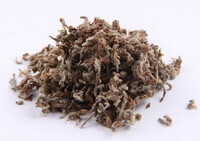
Brief Introduction:Flos Genkwa is the dried flower bud of Daphne genkwa Sieb. et Zucc. It functions as a drastic hydrogogue and purgative, indicated for severe edema, hydrothorax, and ascites accompanied by oliguria and constipation. Externally, it is applied for scabies and chilblains. Common names include Flos Genkwa, Lilac Daphne Flower Bud, and Yuán Huā.
Semen Pharbitidis (Pharbitis Seed)
Brief Introduction:Semen Pharbitidis is the dried, ripe seed of Pharbitis nil (L.) Choisy or Pharbitis purpurea (L.) Voigt. It is used as a hydragogue for edema and oliguria and as an anthelmintic for ascariasis. The herb is commonly known as Semen Pharbitidis, Pharbitis Seed, or Qiān Niǔ Zǐ.
Black Pharbitis Seed
Brief Introduction: Black Pharbitis Seed refers to seeds with a grayish-black surface.
It is commonly known as Hēi Chǒu ("black-ugly"), Hēi Qiān Niú Zǐ. Its botanical origin is described under "Semen Pharbitidis (Pharbitis Seed)".
White Pharbitis Seed
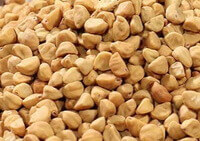
Brief Introduction: White Pharbitis Seed refers to seeds with a pale yellowish-white surface.
It is commonly known as Bái Chǒu ("white-ugly"), Bái Qiān Niú Zǐ. Its botanical origin is described under "Semen Pharbitidis (Pharbitis Seed)".
Black and White Pharbitis Seed
Brief Introduction: The herb Black and White Pharbitis Seed consists of equal parts of black and white pharbitis seeds.
✵The Black and White Pharbitis Seed is commonly known as Hēi Bái Chǒu (meaning "black ugly" and "white ugly"), Hēi Bái Qiān Niú Zǐ. Its botanical origin is described in the entry "Semen Pharbitidis (Pharbitis Seed)".
Radix Phytolaccae (Pokeberry Root)
Brief Introduction: The herb Radix Phytolaccae is the dried root of Phytolacca acinosa Roxb. or Phytolacca americana L., used internally as a diuretic and hydragogue for treating edema and ascites, and externally for boils and sores. It is commonly known as Radix Phytolaccae, Pokeberry Root, or Shāng Lù.
Folium et Flos Wikstroemiae Chamaedephnis (Chamaedaphne Leaf and Flower, Yellow Genkwa Leaf and Flower)
Brief Introduction:Folium et Flos Wikstroemiae Chamaedaphnis consists of the leaf and flower buds of Wikstroemia chamaedaphne Meissn. It is used similarly to Flos Genkwa and also indicated for acute and chronic hepatitis, schizophrenia, and epilepsy. Common names include Folium et Flos Wikstroemiae Chamaedaphnis, Chamaedaphne Leaf and Flower, Yellow Genkwa Leaf and Flower, and Huáng Yuán Huā.

 ✵TCM herbalism is also known as the pharmaceutics of Traditional Chinese Medicine or Chinese pharmaceutics. It is the branch of health science dealing with the preparation, dispensing, and proper utilization of Chinese herbs. It is primarily composed of Introduction to Chinese Medicinals, Classification of Chinese Herbs, Formulas, and Patent Medicines.
 Introduction: Hydrogogues—or Drastic Purgatives—are also known as diuretic hydrogogue herbs: agents or substances that cause copious discharge of water through catharsis while simultaneously increasing urine excretion. Hydrogogue herbs are also termed drastic hydrogogue herbs: cathartics that induce copious water discharge to reduce accumulated fluid in anasarca, ascites, and pleural effusion. Most are cold in nature, bitter in flavor, and possess strong, drastic diuretic and purgative actions—leading to profuse diarrhea and rapid elimination of retained water and fluid via defecation; some also exhibit diuretic effects.
 Brief Introduction: Flos Genkwa is the dried flower bud of Daphne genkwa Sieb. et Zucc. It functions as a drastic hydrogogue and purgative, indicated for severe edema, hydrothorax, and ascites accompanied by oliguria and constipation. Externally, it is applied for scabies and chilblains. Common names include Flos Genkwa, Lilac Daphne Flower Bud, and Yuán Huā.
 Brief Introduction: Semen Pharbitidis is the dried, ripe seed of Pharbitis nil (L.) Choisy or Pharbitis purpurea (L.) Voigt. It is used as a hydragogue for edema and oliguria and as an anthelmintic for ascariasis. The herb is commonly known as Semen Pharbitidis, Pharbitis Seed, or Qiān Niǔ Zǐ.
 Brief Introduction: Black Pharbitis Seed refers to seeds with a grayish-black surface.
 Brief Introduction: White Pharbitis Seed refers to seeds with a pale yellowish-white surface.
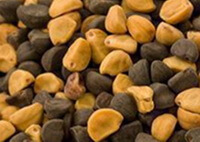 Brief Introduction: The herb Black and White Pharbitis Seed consists of equal parts of black and white pharbitis seeds.
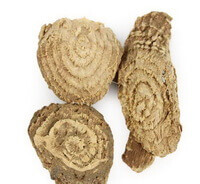 Brief Introduction: The herb Radix Phytolaccae is the dried root of Phytolacca acinosa Roxb. or Phytolacca americana L., used internally as a diuretic and hydragogue for treating edema and ascites, and externally for boils and sores. It is commonly known as Radix Phytolaccae, Pokeberry Root, or Shāng Lù.
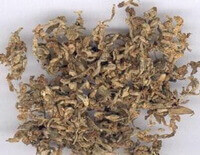 Brief Introduction: Folium et Flos Wikstroemiae Chamaedaphnis consists of the leaf and flower buds of Wikstroemia chamaedaphne Meissn. It is used similarly to Flos Genkwa and also indicated for acute and chronic hepatitis, schizophrenia, and epilepsy. Common names include Folium et Flos Wikstroemiae Chamaedaphnis, Chamaedaphne Leaf and Flower, Yellow Genkwa Leaf and Flower, and Huáng Yuán Huā.