✵TCM herbalism is also known as the pharmaceutics of Traditional Chinese Medicine or Chinese pharmaceutics. It is the branch of health science dealing with the preparation, dispensing, and proper utilization of Chinese herbs. It is primarily composed of Introduction to Chinese Medicinals, Classification of Chinese Herbs, Formulas, and Patent Medicines.
Herbal Digestives and Evacuants
Introduction: Herbal Digestives and Evacuants: —also known as digestant herbs—are agents or substances that aid digestion and eliminate accumulated undigested food. They are also collectively referred to as digestant and evacuant herbs.
Digestant and evacuant herbs are typically sweet or pungent in flavor and warm in nature. Their primary functions are to promote digestion and resolve food stagnation. They are mainly used for syndromes caused by indigestion and food accumulation, such as abdominal fullness and distension, belching, acid regurgitation, nausea, vomiting, poor appetite (anorexia), loose stools, and constipation. Representative herbs in this category include Fructus Crataegi (Shān Zhā), Massa Fermentata Medicinalis (Shén Qū), and other herbs include Fructus Crataegi Preparatus (Jiāo Shān Zhā), Fructus Hordei Germinatus (Mài Yá), Fructus Setariae Germinatus (Gǔ Yá), and Semen Raphani (Lái Fú Zǐ).
✵As of January 1, 2024, a total of [9] commonly used TCM herbs—derived from [8] plant species—have been documented in this category. Each herb is briefly introduced below.
Fructus Crataegi (Hawthorn Fruit)
Brief Introduction:Fructus Crataegi is the dried, ripe fruit of either Large Chinese Hawthorn (Crataegus pinnatifida Bunge var. major N.E. Br.) or Chinese Hawthorn (Crataegus pinnatifida Bunge). It is used to promote digestion and resolve food stagnation—particularly for dyspepsia and stagnation due to fatty foods—and to invigorate blood circulation for treating amenorrhea and postpartum abdominal pain caused by blood stasis. Commonly known as Fructus Crataegi, Hawthorn Fruit, or Shān Zhā.
Brief Introduction: The herb Fructus Crataegi Preparatus is hawthorn fruit stir-baked to a brown color, used to improve digestion and relieve food stagnation for the treatment of dyspepsia and stagnation of fatty food. The herb is commonly known as Fructus Crataegi Preparatus, Charred Hawthorn Fruit, Jiāo Shān Zhā.
Massa Fermentata Medicinalis (Medicated Leaven)
Brief Introduction:Massa Fermentata Medicinalis is a dried, fermented mass prepared from wheat flour, fresh aerial parts of Artemisia annua, apricot kernels, and Polygonum hydropiper. It is used to promote digestion and resolve food stagnation, particularly for dyspepsia and abdominal distension. It is commonly known as Massa Fermentata Medicinalis, Medicated Leaven, Massa Medicata Fermentata, or Shén Qū.
Fructus Hordei Germinatus (Germinated Barley)
Brief Introduction:Fructus Hordei Germinatus is the dried, germinated caryopsis of barley (Hordeum vulgare L.). It is used (1) to promote digestion and treat dyspepsia, and (2) to suppress lactation and terminate breastfeeding. Common names include Fructus Hordei Germinatus, Germinated Barley, and Mài Yá.
Brief Introduction:Fructus Hordei Germinatus Preparatus is germinated barley grain stir-baked until brown, used to improve digestion—particularly for dyspepsia caused by cereal foods and infantile lactodyspepsia. It is commonly known as Fructus Hordei Germinatus Preparatus, Charred Germinated Barley, or Jiāo Mài Yá.
Fructus Oryzae Germinatus (Rice-grain Sprout)
Brief Introduction:Fructus Oryzae Germinatus is the dried, germinated grain of rice (Oryza sativa L.), used to promote digestion in the treatment of poor appetite and dyspepsia. It is commonly known as Fructus Oryzae Germinatus, Rice-grain Sprout, Dào Yá, or Gǔ Yá. The name Dào Yá is recorded in the Chinese Pharmacopoeia (CP), whereas Gǔ Yá appears in the Dictionary of Chinese Traditional Medicine (DCTM) and the Compendium of Herbal Medicine and Materia Medica (CHMM); both refer to the same herb—the sprouted grain of rice.
Fructus Setariae Germinatus (Millet Sprout)
Brief Introduction:Fructus Setariae Germinatus is the dried, germinated grain of foxtail millet (Setaria italica (L.) P. Beauv.), used similarly to Fructus Oryzae Germinatus to promote digestion in the treatment of poor appetite and dyspepsia. It is commonly known as Fructus Setariae Germinatus, Millet Sprout, Gǔ Yá, or Sù Yá.
Charred Triplet
Brief Introduction: Jiao San Xian is a traditional herbal combination comprising equal parts of charred medicated leaven (Shen Qu), charred hawthorn fruit (Shān Zhā), and charred germinated barley (Mài Yá). It exhibits enhanced digestive effects compared to any single constituent alone. It is commonly referred to as "Charred Triplet" or "Jiāo Sān Xiān."
Semen Raphani (Radish Seed)
Brief Introduction:Semen Raphani consists of the dried, ripe seeds of Raphanus sativus L. (garden radish). It is used (1) to promote digestion and direct Qi downward—indicated for food stagnation with abdominal distension and pain—and (2) to resolve phlegm and relieve cough and dyspnea with profuse sputum. It is commonly known as Semen Raphani, Radish Seed, or Lái Fú Zǐ.

 ✵TCM herbalism is also known as the pharmaceutics of Traditional Chinese Medicine or Chinese pharmaceutics. It is the branch of health science dealing with the preparation, dispensing, and proper utilization of Chinese herbs. It is primarily composed of Introduction to Chinese Medicinals, Classification of Chinese Herbs, Formulas, and Patent Medicines.
 Introduction: Herbal Digestives and Evacuants: —also known as digestant herbs—are agents or substances that aid digestion and eliminate accumulated undigested food. They are also collectively referred to as digestant and evacuant herbs.
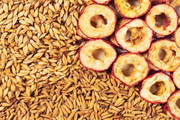 Introduction: The following herbs are recognized as Digestives and Evacuants—also referred to as digestant herbs:Fructus Crataegi (Hawthorn Fruit), Fructus Crataegi Preparatus (Charred Hawthorn Fruit), Massa Fermentata Medicinalis (Medicated Leaven), Fructus Hordei Germinatus (Germinated Barley), Fructus Hordei Germinatus Preparatus (Charred Germinated Barley), Fructus Oryzae Germinatus (Rice-grain Sprout), Fructus Setariae Germinatus (Millet Sprout), Charred Triplet, Semen Raphani (Radish Seed).
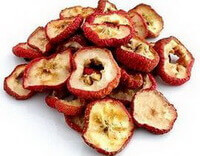 Brief Introduction: Fructus Crataegi is the dried, ripe fruit of either Large Chinese Hawthorn (Crataegus pinnatifida Bunge var. major N.E. Br.) or Chinese Hawthorn (Crataegus pinnatifida Bunge). It is used to promote digestion and resolve food stagnation—particularly for dyspepsia and stagnation due to fatty foods—and to invigorate blood circulation for treating amenorrhea and postpartum abdominal pain caused by blood stasis. Commonly known as Fructus Crataegi, Hawthorn Fruit, or Shān Zhā.
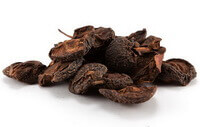 Brief Introduction: The herb Fructus Crataegi Preparatus is hawthorn fruit stir-baked to a brown color, used to improve digestion and relieve food stagnation for the treatment of dyspepsia and stagnation of fatty food. The herb is commonly known as Fructus Crataegi Preparatus, Charred Hawthorn Fruit, Jiāo Shān Zhā.
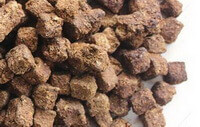 Brief Introduction: Massa Fermentata Medicinalis is a dried, fermented mass prepared from wheat flour, fresh aerial parts of Artemisia annua, apricot kernels, and Polygonum hydropiper. It is used to promote digestion and resolve food stagnation, particularly for dyspepsia and abdominal distension. It is commonly known as Massa Fermentata Medicinalis, Medicated Leaven, Massa Medicata Fermentata, or Shén Qū.
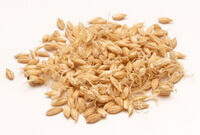 Brief Introduction: Fructus Hordei Germinatus is the dried, germinated caryopsis of barley (Hordeum vulgare L.). It is used (1) to promote digestion and treat dyspepsia, and (2) to suppress lactation and terminate breastfeeding. Common names include Fructus Hordei Germinatus, Germinated Barley, and Mài Yá.
 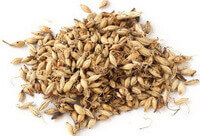 Brief Introduction: Fructus Hordei Germinatus Preparatus is germinated barley grain stir-baked until brown, used to improve digestion—particularly for dyspepsia caused by cereal foods and infantile lactodyspepsia. It is commonly known as Fructus Hordei Germinatus Preparatus, Charred Germinated Barley, or Jiāo Mài Yá.
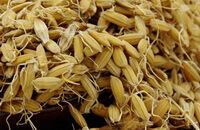 Brief Introduction: Fructus Oryzae Germinatus is the dried, germinated grain of rice (Oryza sativa L.), used to promote digestion in the treatment of poor appetite and dyspepsia. It is commonly known as Fructus Oryzae Germinatus, Rice-grain Sprout, Dào Yá, or Gǔ Yá. The name Dào Yá is recorded in the Chinese Pharmacopoeia (CP), whereas Gǔ Yá appears in the Dictionary of Chinese Traditional Medicine (DCTM) and the Compendium of Herbal Medicine and Materia Medica (CHMM); both refer to the same herb—the sprouted grain of rice.
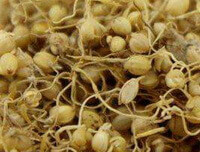 Brief Introduction: Fructus Setariae Germinatus is the dried, germinated grain of foxtail millet (Setaria italica (L.) P. Beauv.), used similarly to Fructus Oryzae Germinatus to promote digestion in the treatment of poor appetite and dyspepsia. It is commonly known as Fructus Setariae Germinatus, Millet Sprout, Gǔ Yá, or Sù Yá.
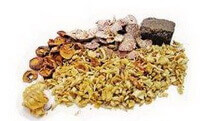 Brief Introduction: Jiao San Xian is a traditional herbal combination comprising equal parts of charred medicated leaven (Shen Qu), charred hawthorn fruit (Shān Zhā), and charred germinated barley (Mài Yá). It exhibits enhanced digestive effects compared to any single constituent alone. It is commonly referred to as "Charred Triplet" or "Jiāo Sān Xiān."
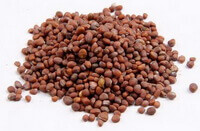 Brief Introduction: Semen Raphani consists of the dried, ripe seeds of Raphanus sativus L. (garden radish). It is used (1) to promote digestion and direct Qi downward—indicated for food stagnation with abdominal distension and pain—and (2) to resolve phlegm and relieve cough and dyspnea with profuse sputum. It is commonly known as Semen Raphani, Radish Seed, or Lái Fú Zǐ.