TCM Fundamental Theories: Essence and Qi, Yin and Yang, Five-Elements, Correspondence.
✵The TCM fundamental theories are primarily composed of the theory of Essence and Qi, the theory of Yin and Yang, the theory of the Five Elements, the correspondence between humans and the universe, the theory of Zang-Fu viscera, the theory of sense organs and structures, the theory of Qi, blood, essence, and body fluids, the theory of causes of disease, and the theory of disease mechanisms.
The theoretical system of traditional Chinese medicine encompasses theory, diagnostic methods, prescriptions, and medicinal substances. It is a scientific knowledge system that includes the basic concepts, principles, and methodologies of traditional Chinese medicine. It is a unique theoretical medical system guided by the concept of holism. The theories of Essence and Qi, Yin and Yang, and the Five Elements constitute its philosophical foundation and mode of thinking. The Zang-Fu viscera, the meridian system, and the concepts of Essence, Qi, blood, and body fluids form the basis of physiology and pathology. Syndrome differentiation is the distinctive feature of its diagnosis and treatment. The Essence theory, Yin-Yang theory, and Five Elements theory are ancient Chinese cosmological and methodological frameworks concerning the origin and development of the world. These ancient ideas and theories have exerted the greatest influence on the formation and development of the TCM theoretical system and remain an essential mode of thinking in traditional Chinese medicine.
TCM Fundamental Theories: Theory of Essence and Qi
The theory of Essence and Qi: an ancient Chinese philosophical system that explains the formation of the universe by an invisible substance called Qi. The ceaseless movement of Qi gives rise to all kinds of changes, and the essential aspect of Qi gives rise to life.
TCM Fundamental Theories: Theory of Yin and Yang
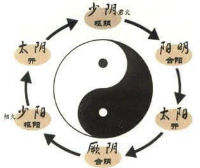
The theory of Yin and Yang: an ancient Chinese philosophical concept rooted in naive dialectics, expressing the law of the unity of opposites. Some basic concepts of Yin and Yang are introduced.
TCM Fundamental Theories: Theory of Five-Elements
The theory of the Five Elements: one of the foundational theories in traditional Chinese medicine, derived from ancient natural philosophy concerning the composition and evolution of the physical universe.
TCM Fundamental Theories: Correspondence between Human and the Universe
Correspondence between Humans and the Universe: one of the foundational theories in traditional Chinese medicine, holding that the human body’s physical structure, physiological functions, and pathological changes adaptively conform to variations in the natural environment; thus, environmental factors—such as climatic conditions and geographical location—must be considered in diagnosis and treatment.
TCM Fundamental Theories: Theory of Zang-Fu Viscera
Theory of Zang-Fu Viscera: Zang-Fu viscera is a collective term for all internal viscera, including Zang-viscera, Fu-viscera, and extra Fu-viscera. The theory of Zang-Fu viscera describes the physiological functions, pathological changes, and interrelationships of Zang-viscera and Fu-viscera.
TCM Fundamental Theories: Theory of Sense Organs and Structures
Theory of Sense Organs and Structures: The theory of sense organs is a theory about the five sense organs and seven orifices, and other orifices. The five sense organs is a collective term for the nose, eyes, ears, mouth and throat. The seven orifices is a collective term for the eyes, ears, nostrils, and mouth.
TCM Fundamental Theories: Theory of Qi, Blood, Essence and Body Fluids
The theory of Qi, blood, essence, and body fluids: this theory addresses Qi, blood, essence, and body fluids. Qi is regarded as the fundamental substance constituting the human body and sustaining its vital activities; essence and blood collectively represent the nourishing substances essential for life; body fluids is a general term for all fluid substances in the body.
TCM Fundamental Theories: Causes of Disease Theory
The theory of causes of disease: this theory addresses etiological factors—including external pathogens, abnormal climatic changes, the seven emotions, the five excesses, and other disease-inducing influences.
TCM Fundamental Theories: Mechanism of Disease Theory
The theory of disease mechanisms: also known as pathogenesis, this theory explains the origin, development, progression, and outcome of disease.

 ✵The TCM fundamental theories are primarily composed of the theory of Essence and Qi, the theory of Yin and Yang, the theory of the Five Elements, the correspondence between humans and the universe, the theory of Zang-Fu viscera, the theory of sense organs and structures, the theory of Qi, blood, essence, and body fluids, the theory of causes of disease, and the theory of disease mechanisms.
 The theory of Essence and Qi: an ancient Chinese philosophical system that explains the formation of the universe by an invisible substance called Qi. The ceaseless movement of Qi gives rise to all kinds of changes, and the essential aspect of Qi gives rise to life.
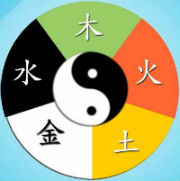 The theory of the Five Elements: one of the foundational theories in traditional Chinese medicine, derived from ancient natural philosophy concerning the composition and evolution of the physical universe.
 Correspondence between Humans and the Universe: one of the foundational theories in traditional Chinese medicine, holding that the human body’s physical structure, physiological functions, and pathological changes adaptively conform to variations in the natural environment; thus, environmental factors—such as climatic conditions and geographical location—must be considered in diagnosis and treatment.
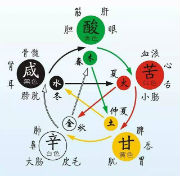 Theory of Zang-Fu Viscera: Zang-Fu viscera is a collective term for all internal viscera, including Zang-viscera, Fu-viscera, and extra Fu-viscera. The theory of Zang-Fu viscera describes the physiological functions, pathological changes, and interrelationships of Zang-viscera and Fu-viscera.
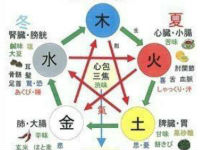 Theory of Sense Organs and Structures: The theory of sense organs is a theory about the five sense organs and seven orifices, and other orifices. The five sense organs is a collective term for the nose, eyes, ears, mouth and throat. The seven orifices is a collective term for the eyes, ears, nostrils, and mouth.
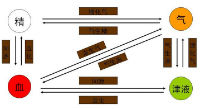 The theory of Qi, blood, essence, and body fluids: this theory addresses Qi, blood, essence, and body fluids. Qi is regarded as the fundamental substance constituting the human body and sustaining its vital activities; essence and blood collectively represent the nourishing substances essential for life; body fluids is a general term for all fluid substances in the body.
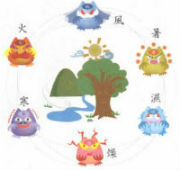 The theory of causes of disease: this theory addresses etiological factors—including external pathogens, abnormal climatic changes, the seven emotions, the five excesses, and other disease-inducing influences.
 The theory of disease mechanisms: also known as pathogenesis, this theory explains the origin, development, progression, and outcome of disease.