Introduction of TCM Diagnostics: Diagnostic Methods
✵TCM diagnostics is the science and practice of diagnosis. It mainly comprises disease identification, disease differentiation, syndrome differentiation, syndrome pattern identification, and syndrome manifestation.
The following topics are introduced: TCM diagnosis and diagnostic methods; inspection; auscultation and olfaction; inquiry; palpation; tongue manifestations; Yin-Yang figure mode (Yin-Yang constitutional patterns); and Five-Element figure mode (Five-Element constitutional patterns).
TCM diagnostics is the science and practice of diagnosis. It mainly comprises disease identification, disease differentiation, syndrome differentiation, syndrome pattern identification, and syndrome manifestation.
Introduction of TCM Diagnostic Methods
TCM diagnostic methods include the Four Examinations: inspection, auscultation and olfaction, inquiry, and palpation.
Introduction of TCM Diagnostics Methods: Inspection
Inspection is one of the Four Examinations in TCM. It involves visual examination using the eyes, including observation of vitality (shen), complexion, facial expression, behavior, body surface, tongue, excreta, and secretions, among others.
Introduction of TCM Diagnostics Methods: Auscultation and olfaction
Auscultation and olfaction constitute one of the Four Examinations in TCM. Auscultation involves listening to the patient’s voice, breathing sounds, coughing, and other bodily sounds; olfaction involves detecting abnormal odors—such as those from breath, body, excreta, or secretions—or noting the absence of expected odors.
Introduction of TCM Diagnostics Methods: Inquiry
Inquiry is one of the Four Examinations in TCM. Also known as interrogation, it is a primary method for gathering diagnostic information by systematically questioning the patient about their chief complaint, medical history, and associated symptoms.
Introduction of TCM Diagnostics Methods: Palpation
Palpation is one of the Four Examinations in TCM. It involves tactile examination of the body surface using the hands or fingers, including pulse diagnosis (radial pulse palpation) and assessment of temperature, moisture, tenderness, and masses.
Tongue Manifestations
Tongue manifestations are integral to tongue diagnosis—a key component of TCM inspection. Tongue diagnosis relies on visual observation of the tongue proper (body) and its coating. It is one of the most important aspects of TCM diagnostic examination.
Yin-Yang Constitutional Patterns
The Yin-Yang constitutional pattern theory originates from the ancient classic Huangdi Neijing (The Yellow Emperor’s Inner Canon). Its fundamental classification includes the Taiyang, Taiyin, Shaoyang, Shaoyin, and Yin-Yang Harmonized constitutional patterns.
Five-Element Constitutional Patterns
The Five-Element constitutional pattern theory also originates from the Huangdi Neijing (The Yellow Emperor’s Inner Canon). Its basic classifications include the Wood, Fire, Earth, Metal, and Water constitutional patterns. Additional variants include the "Right" (Balanced) Pattern and the "Four Exceptional" Patterns.

 ✵TCM diagnostics is the science and practice of diagnosis. It mainly comprises disease identification, disease differentiation, syndrome differentiation, syndrome pattern identification, and syndrome manifestation.

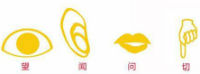 TCM diagnostic methods include the Four Examinations: inspection, auscultation and olfaction, inquiry, and palpation.
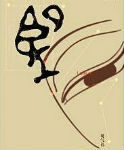 Inspection is one of the Four Examinations in TCM. It involves visual examination using the eyes, including observation of vitality (shen), complexion, facial expression, behavior, body surface, tongue, excreta, and secretions, among others.
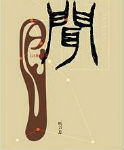 Auscultation and olfaction constitute one of the Four Examinations in TCM. Auscultation involves listening to the patient’s voice, breathing sounds, coughing, and other bodily sounds; olfaction involves detecting abnormal odors—such as those from breath, body, excreta, or secretions—or noting the absence of expected odors.
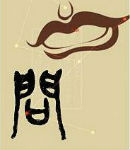 Inquiry is one of the Four Examinations in TCM. Also known as interrogation, it is a primary method for gathering diagnostic information by systematically questioning the patient about their chief complaint, medical history, and associated symptoms.
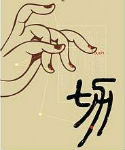 Palpation is one of the Four Examinations in TCM. It involves tactile examination of the body surface using the hands or fingers, including pulse diagnosis (radial pulse palpation) and assessment of temperature, moisture, tenderness, and masses.
 Tongue manifestations are integral to tongue diagnosis—a key component of TCM inspection. Tongue diagnosis relies on visual observation of the tongue proper (body) and its coating. It is one of the most important aspects of TCM diagnostic examination.
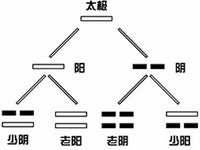 The Yin-Yang constitutional pattern theory originates from the ancient classic Huangdi Neijing (The Yellow Emperor’s Inner Canon). Its fundamental classification includes the Taiyang, Taiyin, Shaoyang, Shaoyin, and Yin-Yang Harmonized constitutional patterns.
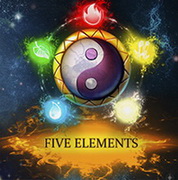 The Five-Element constitutional pattern theory also originates from the Huangdi Neijing (The Yellow Emperor’s Inner Canon). Its basic classifications include the Wood, Fire, Earth, Metal, and Water constitutional patterns. Additional variants include the "Right" (Balanced) Pattern and the "Four Exceptional" Patterns.