✵TCM herbalism is also known as the pharmaceutics of Traditional Chinese Medicine or Chinese pharmaceutics. It is the branch of health science dealing with the preparation, dispensing, and proper utilization of Chinese herbs. It is primarily composed of Introduction to Chinese Medicinals, Classification of Chinese Herbs, Formulas, and Patent Medicines.
Yin Tonics (Herbs for Replenishing Yin)
Introduction: Yin tonics—also known as yin-tonifying herbs or yin-nourishing herbs—are agents or substances that tonify the yin of the heart, lung, stomach, liver, or kidney.
A yin tonic is also known as a yin-tonifying herb, a yin-replenishing herb, or a yin-nourishing herb—an agent or substance that tonifies the yin of the heart, lung, stomach, liver, or kidney. Yin-tonifying herbs function to tonify yin and are used to treat yin deficiency syndrome, which manifests with symptoms such as afternoon fever, low-grade fever, heat in the palms and soles, night sweats, dry throat, xerophthalmia (dryness and discomfort of the eyes), restlessness and dream-disturbed sleep, soreness and weakness in the lower back and legs, constipation, etc. Yin deficiency syndrome may develop from blood deficiency syndrome and is often accompanied by insufficiency of essence, body fluids, and other nourishing substances. Since insufficiency of essence, blood, and body fluids poses a serious threat to health, yin should be replenished promptly.
Representative herbs in this category include Radix Glehniae (Běi Shā Shēn), Radix Ophiopogonis (Mài Dōnɡ), and other herbs including Radix Asparagi (Tiān Mén Dōnɡ), Herba Dendrobii (Shí Hú), Rhizoma Polygonati Odorati (Yù Zhú), Rhizoma Polygonati (Huánɡ Jīnɡ), Bulbus Lilii (Bǎi Hé), Fructus Lycii (Góu Qǐ Zǐ), Fructus Mori (Sānɡ Shēn), Herba Ecliptae (Mò Hàn Lián), Fructus Ligustri Lucidi (Nǚ Zhēn Zǐ), and Black Sesame (Hēi Zhī Ma). Among these herbs, Black Sesame (Hēi Zhī Ma) is introduced in "Popular Herbs."
✵As of January 1, 2024, this category includes a total of [11] commonly used TCM herbs derived from [23] related plant species. These yin tonics—herbs for replenishing yin—are briefly introduced individually below.
Radix Glehniae (Coastal Glehia Root)
Brief Introduction:Radix Glehniae is the dried root of Glehnia littoralis F. Schmidt ex Miq., used to nourish Lung and Stomach Yin and promote fluid production for treating thirst (dipsosis), dry throat, and dry cough. It is commonly known as Radix Glehniae, Coastal Glehnia Root, or Běi Shā Shēn.
Radix Ophiopogonis (Dwarf Lilyturf Root)
Brief Introduction:Radix Ophiopogonis is the dried tuberous root of Ophiopogon japonicus (L. f.) Ker-Gawl., used to nourish Lung and Stomach Yin, generate body fluids, moisten the lungs, and calm the mind. It treats thirst (polydipsia), dry throat, dry cough, and blood-tinged sputum in febrile diseases or Lung- and Stomach-Yin deficiency; and alleviates restlessness and insomnia. It is commonly known as Radix Ophiopogonis, Dwarf Lilyturf Root, or Mài Dōnɡ.
Radix Asparagi (Asparagus Root)
Brief Introduction:Radix Asparagi is the steamed, peeled, and dried tuberous root of Asparagus cochinchinensis (Lour.) Merr. It is used to nourish Yin, generate body fluids, alleviate thirst, soothe a dry throat, relieve cough with sticky phlegm, treat hemoptysis (bloody sputum), and alleviate constipation due to intestinal dryness. Common names include Asparagus Root, Cochinchinese Asparagus Root, and Tiān Mén Dōnɡ.
Herba Dendrobii (Dendrobium)
Brief Introduction:Herba Dendrobii is the fresh or dried stem of Dendrobium loddigesii Rolfe, Dendrobium chrysanthum Wall. ex Lindl., Dendrobium fimbriatum var. oculatum Hook., Dendrobium candidum Wall. ex Lindl., or Dendrobium nobile Lindl. It replenishes stomach Yin, clears heat, and promotes fluid production. It is used to treat chronic febrile diseases with thirst and dry mouth; stomach Yin deficiency manifesting as epigastric discomfort and pain; and visual impairment in cases of cataracts. The herb is commonly known as Herba Dendrobii, Dendrobium, or Shí Hú.
Brief Introduction:Rhizoma Polygonati Odorati is the steamed and dried rhizome of Polygonatum odoratum (Mill.) Druce, used to nourish Yin and generate body fluids, primarily for treating dry throat, dry cough, and thirst in febrile diseases and diabetes mellitus. It is commonly known as Rhizoma Polygonati Odorati, Fragrant Solomonseal Rhizome, or Yù Zhú.
Rhizoma Polygonati (Solomonseal Rhizome)
Brief Introduction:Rhizoma Polygonati is the steamed and dried rhizome of Polygonatum sibiricum Red., Polygonatum kingianum Coll. et Hemsl., or Polygonatum cyrtonema Hua. It is used: (1) to tonify Spleen Qi for treating general debility and poor appetite; and (2) to nourish Lung Yin for treating chronic dry cough in consumptive disorders (e.g., pulmonary tuberculosis). It is commonly known as Rhizoma Polygonati, Solomonseal Rhizome, or Huánɡ Jīnɡ.
Bulbus Lilii (Lily Bulb)
Brief Introduction:Bulbus Lilii is the dried fleshy scale leaf of the bulbs of Lilium lancifolium Thunb., Lilium brownii F. E. Brown ex Miellez var. viridulum Baker, or Lilium pumilum DC. (family Liliaceae). It is used: (1) to nourish Lung Yin and relieve cough in consumptive diseases; and (2) to clear Heart Fire and calm the Shen for insomnia and restlessness in the late stage of febrile diseases with residual heat. The herb is commonly known as Bulbus Lilii, Lily Bulb, or Bǎi Hé.
Fructus Lycii (Barbary Wolfberry Fruit)
Brief Introduction:Fructus Lycii is the dried, ripe fruit of Lycium barbarum L. It is used to nourish Liver and Kidney Yin, and is indicated for soreness and weakness of the lower back and knees, impotence, nocturnal emission, dizziness, vertigo, and diminished vision. Commonly known as Fructus Lycii, Barbary Wolfberry Fruit, or Gǒu Qǐ Zǐ.
Fructus Mori (Mulberry Fruit)
Brief Introduction:Fructus Mori is the dried fruit-spike of Morus alba L., used (1) to replenish Yin and nourish the blood—for the treatment of dizziness, tinnitus, and blurred vision in cases of Yin and blood deficiency—and (2) to promote fluid production and relieve thirst in cases of diabetes mellitus. The herb is commonly known as Fructus Mori, Mulberry Fruit, or Sānɡ Shēn.
Herba Ecliptae (Eclipta, Yerbadetajo Herb)
Brief Introduction:Herba Ecliptae is the dried aerial part of Eclipta prostrata L., used (1) as a blood-cooling hemostatic agent for hemorrhages due to excessive heat in the blood, and (2) as a tonic to nourish the liver and kidneys—for the treatment of dizziness, tinnitus, premature graying of hair, and soreness and weakness of the lower back and legs. The herb is commonly known as Herba Ecliptae, Eclipta, Yerba-de-tajo Herb, or Mò Hàn Lián.
Fructus Ligustri Lucidi (Glossy Privet Fruit)
Brief Introduction:Fructus Ligustri Lucidi is the dried, ripe fruit of Ligustrum lucidum Ait. It nourishes the yin of the liver and kidney, darkens the hair, and improves vision. It is used to treat premature graying of hair, blurred vision, lumbago, and low-grade fever due to yin deficiency. Common names include Fructus Ligustri Lucidi, Glossy Privet Fruit, and Nǚ Zhēn Zǐ.

 ✵TCM herbalism is also known as the pharmaceutics of Traditional Chinese Medicine or Chinese pharmaceutics. It is the branch of health science dealing with the preparation, dispensing, and proper utilization of Chinese herbs. It is primarily composed of Introduction to Chinese Medicinals, Classification of Chinese Herbs, Formulas, and Patent Medicines.
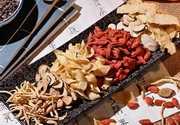 Introduction: Yin tonics—also known as yin-tonifying herbs or yin-nourishing herbs—are agents or substances that tonify the yin of the heart, lung, stomach, liver, or kidney.
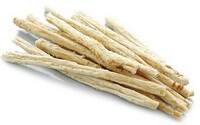 Brief Introduction: Radix Glehniae is the dried root of Glehnia littoralis F. Schmidt ex Miq., used to nourish Lung and Stomach Yin and promote fluid production for treating thirst (dipsosis), dry throat, and dry cough. It is commonly known as Radix Glehniae, Coastal Glehnia Root, or Běi Shā Shēn.
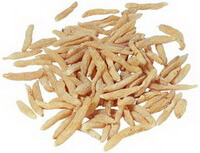 Brief Introduction: Radix Ophiopogonis is the dried tuberous root of Ophiopogon japonicus (L. f.) Ker-Gawl., used to nourish Lung and Stomach Yin, generate body fluids, moisten the lungs, and calm the mind. It treats thirst (polydipsia), dry throat, dry cough, and blood-tinged sputum in febrile diseases or Lung- and Stomach-Yin deficiency; and alleviates restlessness and insomnia. It is commonly known as Radix Ophiopogonis, Dwarf Lilyturf Root, or Mài Dōnɡ.
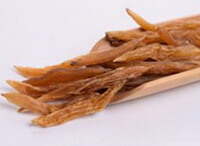 Brief Introduction: Radix Asparagi is the steamed, peeled, and dried tuberous root of Asparagus cochinchinensis (Lour.) Merr. It is used to nourish Yin, generate body fluids, alleviate thirst, soothe a dry throat, relieve cough with sticky phlegm, treat hemoptysis (bloody sputum), and alleviate constipation due to intestinal dryness. Common names include Asparagus Root, Cochinchinese Asparagus Root, and Tiān Mén Dōnɡ.
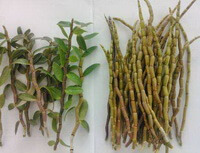 Brief Introduction: Herba Dendrobii is the fresh or dried stem of Dendrobium loddigesii Rolfe, Dendrobium chrysanthum Wall. ex Lindl., Dendrobium fimbriatum var. oculatum Hook., Dendrobium candidum Wall. ex Lindl., or Dendrobium nobile Lindl. It replenishes stomach Yin, clears heat, and promotes fluid production. It is used to treat chronic febrile diseases with thirst and dry mouth; stomach Yin deficiency manifesting as epigastric discomfort and pain; and visual impairment in cases of cataracts. The herb is commonly known as Herba Dendrobii, Dendrobium, or Shí Hú.
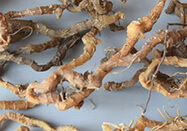 Brief Introduction: Rhizoma Polygonati Odorati is the steamed and dried rhizome of Polygonatum odoratum (Mill.) Druce, used to nourish Yin and generate body fluids, primarily for treating dry throat, dry cough, and thirst in febrile diseases and diabetes mellitus. It is commonly known as Rhizoma Polygonati Odorati, Fragrant Solomonseal Rhizome, or Yù Zhú.
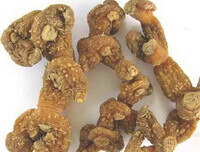 Brief Introduction: Rhizoma Polygonati is the steamed and dried rhizome of Polygonatum sibiricum Red., Polygonatum kingianum Coll. et Hemsl., or Polygonatum cyrtonema Hua. It is used: (1) to tonify Spleen Qi for treating general debility and poor appetite; and (2) to nourish Lung Yin for treating chronic dry cough in consumptive disorders (e.g., pulmonary tuberculosis). It is commonly known as Rhizoma Polygonati, Solomonseal Rhizome, or Huánɡ Jīnɡ.
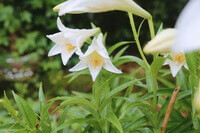 Brief Introduction: Bulbus Lilii is the dried fleshy scale leaf of the bulbs of Lilium lancifolium Thunb., Lilium brownii F. E. Brown ex Miellez var. viridulum Baker, or Lilium pumilum DC. (family Liliaceae). It is used: (1) to nourish Lung Yin and relieve cough in consumptive diseases; and (2) to clear Heart Fire and calm the Shen for insomnia and restlessness in the late stage of febrile diseases with residual heat. The herb is commonly known as Bulbus Lilii, Lily Bulb, or Bǎi Hé.
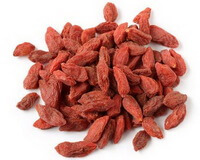 Brief Introduction: Fructus Lycii is the dried, ripe fruit of Lycium barbarum L. It is used to nourish Liver and Kidney Yin, and is indicated for soreness and weakness of the lower back and knees, impotence, nocturnal emission, dizziness, vertigo, and diminished vision. Commonly known as Fructus Lycii, Barbary Wolfberry Fruit, or Gǒu Qǐ Zǐ.
 Brief Introduction: Fructus Mori is the dried fruit-spike of Morus alba L., used (1) to replenish Yin and nourish the blood—for the treatment of dizziness, tinnitus, and blurred vision in cases of Yin and blood deficiency—and (2) to promote fluid production and relieve thirst in cases of diabetes mellitus. The herb is commonly known as Fructus Mori, Mulberry Fruit, or Sānɡ Shēn.
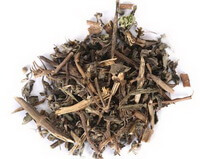 Brief Introduction: Herba Ecliptae is the dried aerial part of Eclipta prostrata L., used (1) as a blood-cooling hemostatic agent for hemorrhages due to excessive heat in the blood, and (2) as a tonic to nourish the liver and kidneys—for the treatment of dizziness, tinnitus, premature graying of hair, and soreness and weakness of the lower back and legs. The herb is commonly known as Herba Ecliptae, Eclipta, Yerba-de-tajo Herb, or Mò Hàn Lián.
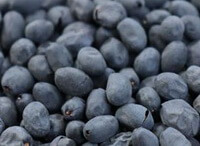 Brief Introduction: Fructus Ligustri Lucidi is the dried, ripe fruit of Ligustrum lucidum Ait. It nourishes the yin of the liver and kidney, darkens the hair, and improves vision. It is used to treat premature graying of hair, blurred vision, lumbago, and low-grade fever due to yin deficiency. Common names include Fructus Ligustri Lucidi, Glossy Privet Fruit, and Nǚ Zhēn Zǐ.