Deficiency and excess syndromes of Zang and Fu-viscera.
✵Deficiency and excess syndromes of the Zang and Fu-viscera: this classification of diseases mainly introduces a series of diseases related to five Zang-viscera and six Fu-viscera, as well as several relevant syndromes; It mainly includes the following: liver deficiency syndrome and liver excess syndrome, gallbladder deficiency and excess syndrome, wind deficiency syndrome; heart deficiency and excess syndrome, chest impediment (chest discomfort), small intestine deficiency and excess syndrome, wind dizziness, wind-deficiency and palpitation; spleen deficiency and excess syndrome, muscle deficiency and excess syndrome, stomach deficiency and excess syndrome; lung deficiency syndrome, atrophic lung disease, lung abscess syndrome, large intestine deficiency and excess syndrome, skin deficiency and excess syndrome; kidney deficiency and excess syndrome, bone deficiency and excess syndrome, lumbago (backache), urinary bladder deficiency and excess syndrome, triple energizer deficiency and excess syndrome, etc.
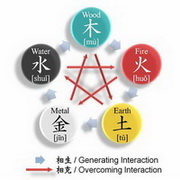
Liver Deficiency Syndrome: The Liver deficiency syndrome is defined as liver Yin deficiency, liver blood deficiency, liver Qi deficiency. The liver belongs to the wood element in the five elements system, and is the Yang aspect of Yin; it connects to the Qi of spring; It connects with the tendon in the body; It opens in the eyes, and its essence and best part represent in the claw, represent as tears in the liquid form.
Liver Excess syndrome
Liver Excess Syndrome: The liver excess syndrome is normally known as liver excess heat syndrome, it is known as suffering from a sensation of firmness and fullness in the heart, often pain in the costal regions, and rapid breathing, similar to the state of anger. This is the condition of liver excess heat syndrome.
Gallbladder deficiency and excess syndrome
Gallbladder deficiency and excess syndrome: The gallbladder controls the liver, the Qi of the liver coordinates with the gallbladder; Symptoms of the condition of gallbladder include easy to sigh (sighing), bitterness in the mouth, vomiting liquid, and pavor in the heart (fear in the heart).
Wind deficiency
Wind deficiency: Wind deficiency is commonly defined as weakness and deficiency internally, as well as being affected by the wind pathogen externally.
Heart deficiency and excess syndrome
Heart deficiency and excess syndrome: The heart excess syndrome is mainly caused by excess heat, phlegm heat counter flows upward; the main symptom is pathogen excess. The heart deficiency syndrome is mainly caused by Qi deficiency and blood deficiency of the heart.
Chest Impediment(Chest discomfort)
Chest Impediment (Chest discomfort): Chest impediment is also known as chest discomfort. Its main symptoms include chest tightness, chest pain, and even pain to the back, as well as wheezing and not being able to sleep (insomnia) as the main manifestation.
Small intestine deficiency and excess syndrome
Small intestine deficiency and excess syndrome: Small intestine deficiency syndrome is a syndrome due to the affection of the small intestine from cold, and cold pain in the lower abdomen. Small intestine excess syndrome is the syndrome due to heart transfer heat to the small intestine, or heat accumulated in the spleen and stomach, moving down to the small intestine, resulting in internal heat in the small intestine.
Wind dizziness
Wind dizziness: Wind dizziness is a kind of vertigo caused by wind and phlegm, as well as deficiency in blood and Qi, the wind pathogen flows upwards and attacks.
Wind-deficiency and palpitation
Wind-deficiency and palpitation: wind deficiency and palpitation is a syndrome mainly associated with wind deficiency and palpitation, due to endogenous heart Qi deficiency and exogenous wind affection; Various symptoms may be present, including palpitation, forgetfulness, and vexation, etc.
Spleen deficiency and excess syndrome
Spleen deficiency and excess syndrome: Spleen deficiency, also known as spleen insufficiency, is a general term for deficiency conditions of the spleen. It generally refers to a series of pathological phenomena and syndromes of spleen physiological dysfunction caused by spleen Qi deficiency. Spleen excess is also known as spleen excess heat syndrome.
Muscle deficiency and excess syndrome
Muscle deficiency and excess syndrome: Muscle deficiency and excess syndrome are normally known as muscle deficiency syndrome, or muscle excess syndrome. The symptoms of muscle deficiency syndrome include uneasiness when sitting, body shaking and changing positions; the observed symptoms of muscle excess syndrome include ease when sitting, and panting for breath, etc.
Stomach deficiency and excess syndrome
Stomach deficiency and excess syndrome: Stomach deficiency and excess syndrome are known including stomach deficiency syndrome and stomach excess syndrome. Stomach deficiency syndrome is mainly caused by cold and deficiency, while stomach excess syndrome is mainly caused by the accumulation of heat pathogens in the stomach.
Swelling and distension
Swelling and distension: swelling and distention mainly affect the abdomen; observed symptoms include full and swelling distention in the abdomen. In ancient works Neijing, this was defined as stomach pulse excess, then swelling and distention; there is excessive Qi, then swelling and distention. The deficiency type is not painful when get pressed; the excess type is painful when get pressed.
Lung deficiency and excess syndrome
Lung deficiency and excess syndrome: Lung deficiency and excess syndrome are known including the lung deficiency syndrome and the lung excess syndrome. The lungs and the large intestines have an exterior-interior relationship; lung deficiency can develop as lung and large intestine deficiency syndrome, while lung excess can develop as lung and large intestine excess syndrome.
Qi Accumulation
Qi Accumulation: Qi accumulation is normally known as Ji Qi, mainly due to the seven types of Qi: cold Qi pathogen, heat Qi pathogen, anger Qi pathogen, resentment Qi pathogen, happy Qi pathogen, sorrow Qi pathogen, worry Qi pathogen; these pathogens accumulate and stagnant, turning hard and large, hard like a cup and affect the region below the heart and in the abdomen, causing acute pain, loss of appetite (could not take food), attack regularly; it is serious and unbearable.
Atrophic Lung Syndrome
Atrophic Lung Disease: atrophic lung syndrome is also known as Fei Wei; the main symptoms are an unstoppable cough and spitting saliva, a dry throat (pharynx dryness), thirst, pulse is floating fine and rapid; this is the condition of Fei Wei, or atrophic lung syndrome.
Lung Abscess Syndrome
Lung Abscess: Lung abscess syndrome is also known as Fei Yong; the main symptoms are coughing, a sensation of fullness in the chest, quivering with cold, and a rapid pulse, dry throat with no thirst, turbid phlegm with a stinking smell like rotten fish, spit pus over a long period of time, looks like rice porridge. This is the case of lung abscess (abscess of the lung).
Large Intestine deficiency and excess syndrome
Large intestine deficiency and excess syndrome: the large intestine deficiency and excess syndrome includes the large intestine deficiency syndrome and the large intestine excess syndrome. The large intestine deficiency syndrome is also known as large intestine deficiency cold syndrome, the large intestine excess syndrome is also known as large intestine excess heat syndrome.
Skin Deficiency and Excess Syndrome
Skin Deficiency and Excess Syndrome:the skin deficiency and excess syndrome include the skin deficiency syndrome, and the skin excess syndrome.
Kidney deficiency and excess syndrome
Kidney deficiency and excess syndrome: kidney deficiency and excess syndrome includes kidney deficiency syndrome and kidney excess syndrome. The kidneys and urinary bladder are in an interior-exterior relationship; the kidney deficiency or excess may develop to kidney and urinary bladder deficiency or excess syndrome.
Bone Deficiency and Excess Syndrome
Bone Deficiency and excess Syndrome: Bone deficiency and excess syndrome, also known as bone deficiency syndrome and bone excess syndrome, the bone deficiency or excess condition; they are mainly related to the kidney and urinary bladder.
Lumbago (backache)
Lumbago (backache): Lumbago is also known as Yao Tong, or low back pain, which is the name of the symptom. It is mainly caused by an exogenous pathogen, trauma, overwork, kidney deficiency, and leads to the meridian and collateral Qi being blocked in the waist region, and collaterals losing nutritional support.
Urinary Bladder Deficiency and Excess Syndrome
Urinary Bladder Deficiency and Excess Syndrome: Urinary bladder deficiency and excess syndromes are known as the urinary bladder deficiency syndrome and the urinary bladder excess syndrome, respectively. Urinary bladder deficiency syndrome normally refers to urinary bladder deficiency cold syndrome; Urinary bladder excess syndrome usually refers to urinary bladder excess heat syndrome.
Triple Energizer deficiency and excess syndrome
Triple Energizer deficiency and excess syndrome: The triple energizer deficiency and excess syndrome is also known as the triple energizer deficiency syndrome and the triple energizer excess syndrome. The Upper Energizer is in charge of reception, the Middle Energizer is in charge of transformation, and the Lower Energizer is in charge of excretion.
Sweating syndrome
Sweating syndrome is a state characterised by abnormal sweating due to yin-yang disharmony or infirmity of the subcutaneous interstices and pores. It is also known as hàn zhèng, or sweating disease. Various kinds of sweating syndromes are introduced, including spontaneous sweating syndrome and night sweating, sweating from diet and drink, and Yin sweats, etc.


 ✵Deficiency and excess syndromes of the Zang and Fu-viscera: this classification of diseases mainly introduces a series of diseases related to five Zang-viscera and six Fu-viscera, as well as several relevant syndromes; It mainly includes the following: liver deficiency syndrome and liver excess syndrome, gallbladder deficiency and excess syndrome, wind deficiency syndrome; heart deficiency and excess syndrome, chest impediment (chest discomfort), small intestine deficiency and excess syndrome, wind dizziness, wind-deficiency and palpitation; spleen deficiency and excess syndrome, muscle deficiency and excess syndrome, stomach deficiency and excess syndrome; lung deficiency syndrome, atrophic lung disease, lung abscess syndrome, large intestine deficiency and excess syndrome, skin deficiency and excess syndrome; kidney deficiency and excess syndrome, bone deficiency and excess syndrome, lumbago (backache), urinary bladder deficiency and excess syndrome, triple energizer deficiency and excess syndrome, etc.
 Liver Deficiency Syndrome: The Liver deficiency syndrome is defined as liver Yin deficiency, liver blood deficiency, liver Qi deficiency. The liver belongs to the wood element in the five elements system, and is the Yang aspect of Yin; it connects to the Qi of spring; It connects with the tendon in the body; It opens in the eyes, and its essence and best part represent in the claw, represent as tears in the liquid form.
 Liver Excess Syndrome: The liver excess syndrome is normally known as liver excess heat syndrome, it is known as suffering from a sensation of firmness and fullness in the heart, often pain in the costal regions, and rapid breathing, similar to the state of anger. This is the condition of liver excess heat syndrome.
 Gallbladder deficiency and excess syndrome: The gallbladder controls the liver, the Qi of the liver coordinates with the gallbladder; Symptoms of the condition of gallbladder include easy to sigh (sighing), bitterness in the mouth, vomiting liquid, and pavor in the heart (fear in the heart).
 Wind deficiency: Wind deficiency is commonly defined as weakness and deficiency internally, as well as being affected by the wind pathogen externally.
 Heart deficiency and excess syndrome: The heart excess syndrome is mainly caused by excess heat, phlegm heat counter flows upward; the main symptom is pathogen excess. The heart deficiency syndrome is mainly caused by Qi deficiency and blood deficiency of the heart.
 Chest Impediment (Chest discomfort): Chest impediment is also known as chest discomfort. Its main symptoms include chest tightness, chest pain, and even pain to the back, as well as wheezing and not being able to sleep (insomnia) as the main manifestation.
 Small intestine deficiency and excess syndrome: Small intestine deficiency syndrome is a syndrome due to the affection of the small intestine from cold, and cold pain in the lower abdomen. Small intestine excess syndrome is the syndrome due to heart transfer heat to the small intestine, or heat accumulated in the spleen and stomach, moving down to the small intestine, resulting in internal heat in the small intestine.
 Wind dizziness: Wind dizziness is a kind of vertigo caused by wind and phlegm, as well as deficiency in blood and Qi, the wind pathogen flows upwards and attacks.
 Wind-deficiency and palpitation: wind deficiency and palpitation is a syndrome mainly associated with wind deficiency and palpitation, due to endogenous heart Qi deficiency and exogenous wind affection; Various symptoms may be present, including palpitation, forgetfulness, and vexation, etc.
 Spleen deficiency and excess syndrome: Spleen deficiency, also known as spleen insufficiency, is a general term for deficiency conditions of the spleen. It generally refers to a series of pathological phenomena and syndromes of spleen physiological dysfunction caused by spleen Qi deficiency. Spleen excess is also known as spleen excess heat syndrome.
 Muscle deficiency and excess syndrome: Muscle deficiency and excess syndrome are normally known as muscle deficiency syndrome, or muscle excess syndrome. The symptoms of muscle deficiency syndrome include uneasiness when sitting, body shaking and changing positions; the observed symptoms of muscle excess syndrome include ease when sitting, and panting for breath, etc.
 Stomach deficiency and excess syndrome: Stomach deficiency and excess syndrome are known including stomach deficiency syndrome and stomach excess syndrome. Stomach deficiency syndrome is mainly caused by cold and deficiency, while stomach excess syndrome is mainly caused by the accumulation of heat pathogens in the stomach.
 Swelling and distension: swelling and distention mainly affect the abdomen; observed symptoms include full and swelling distention in the abdomen. In ancient works Neijing, this was defined as stomach pulse excess, then swelling and distention; there is excessive Qi, then swelling and distention. The deficiency type is not painful when get pressed; the excess type is painful when get pressed.
 Lung deficiency and excess syndrome: Lung deficiency and excess syndrome are known including the lung deficiency syndrome and the lung excess syndrome. The lungs and the large intestines have an exterior-interior relationship; lung deficiency can develop as lung and large intestine deficiency syndrome, while lung excess can develop as lung and large intestine excess syndrome.
 Qi Accumulation: Qi accumulation is normally known as Ji Qi, mainly due to the seven types of Qi: cold Qi pathogen, heat Qi pathogen, anger Qi pathogen, resentment Qi pathogen, happy Qi pathogen, sorrow Qi pathogen, worry Qi pathogen; these pathogens accumulate and stagnant, turning hard and large, hard like a cup and affect the region below the heart and in the abdomen, causing acute pain, loss of appetite (could not take food), attack regularly; it is serious and unbearable.
 Atrophic Lung Disease: atrophic lung syndrome is also known as Fei Wei; the main symptoms are an unstoppable cough and spitting saliva, a dry throat (pharynx dryness), thirst, pulse is floating fine and rapid; this is the condition of Fei Wei, or atrophic lung syndrome.
 Lung Abscess: Lung abscess syndrome is also known as Fei Yong; the main symptoms are coughing, a sensation of fullness in the chest, quivering with cold, and a rapid pulse, dry throat with no thirst, turbid phlegm with a stinking smell like rotten fish, spit pus over a long period of time, looks like rice porridge. This is the case of lung abscess (abscess of the lung).
 Large intestine deficiency and excess syndrome: the large intestine deficiency and excess syndrome includes the large intestine deficiency syndrome and the large intestine excess syndrome. The large intestine deficiency syndrome is also known as large intestine deficiency cold syndrome, the large intestine excess syndrome is also known as large intestine excess heat syndrome.
 Skin Deficiency and Excess Syndrome:the skin deficiency and excess syndrome include the skin deficiency syndrome, and the skin excess syndrome.
 Kidney deficiency and excess syndrome: kidney deficiency and excess syndrome includes kidney deficiency syndrome and kidney excess syndrome. The kidneys and urinary bladder are in an interior-exterior relationship; the kidney deficiency or excess may develop to kidney and urinary bladder deficiency or excess syndrome.
 Bone Deficiency and excess Syndrome: Bone deficiency and excess syndrome, also known as bone deficiency syndrome and bone excess syndrome, the bone deficiency or excess condition; they are mainly related to the kidney and urinary bladder.
 Lumbago (backache): Lumbago is also known as Yao Tong, or low back pain, which is the name of the symptom. It is mainly caused by an exogenous pathogen, trauma, overwork, kidney deficiency, and leads to the meridian and collateral Qi being blocked in the waist region, and collaterals losing nutritional support.
 Urinary Bladder Deficiency and Excess Syndrome: Urinary bladder deficiency and excess syndromes are known as the urinary bladder deficiency syndrome and the urinary bladder excess syndrome, respectively. Urinary bladder deficiency syndrome normally refers to urinary bladder deficiency cold syndrome; Urinary bladder excess syndrome usually refers to urinary bladder excess heat syndrome.
 Triple Energizer deficiency and excess syndrome: The triple energizer deficiency and excess syndrome is also known as the triple energizer deficiency syndrome and the triple energizer excess syndrome. The Upper Energizer is in charge of reception, the Middle Energizer is in charge of transformation, and the Lower Energizer is in charge of excretion.
 Sweating syndrome is a state characterised by abnormal sweating due to yin-yang disharmony or infirmity of the subcutaneous interstices and pores. It is also known as hàn zhèng, or sweating disease. Various kinds of sweating syndromes are introduced, including spontaneous sweating syndrome and night sweating, sweating from diet and drink, and Yin sweats, etc.